
REVIEW · MTSKHETA & JVARI MONASTERY
Mtskheta: Exploring Heritage and Cuisine through Cooking Classes
UNESCO churches and a cooking class in one day. I like how this Mtskheta outing pairs major heritage sights with hands-on Georgian food, and you do it with easy pickup from your Tbilisi place. I also like that the drive is comfortable, with an air-conditioned vehicle and WiFi to keep the morning calm.
The one thing to consider is that this is a 5-7 hour schedule, so each stop gets a focused slice of time, not a slow, deep linger.
If you want a day that feels both historical and practical, this works well. You get a local guide’s context, then you get to sit down for lunch in a home setting after the cooking lesson.
In This Review
- Key highlights that make this tour worth your time
- Why Mtskheta makes such a strong half-day to full-day
- Price and value: what $150 buys you (and what to watch)
- Getting from Tbilisi: pickup, comfort, and why WiFi helps
- Stop 1: Church of the Holy Cross, UNESCO start with quick impact
- Stop 2: Svetitskhoveli Cathedral and the old Mtskheta zone
- Lunch after the cathedral: what makes it feel real
- Stop 3: Chronicles of Georgia viewpoint and copper storytelling
- Stop 4: Mtskheta town time, ancient city in 30 minutes
- The cooking class with a local family, the real cultural payoff
- Lunch in a local home: how to get the most from it
- Group size, private feel, and mixed-age friendliness
- Who should book this Mtskheta heritage and cuisine tour
- Should you book? My practical recommendation
- FAQ
- How long is the Mtskheta heritage and cooking tour?
- What time does the tour start?
- Is hotel pickup included?
- Is the tour private?
- Are admission tickets required for the UNESCO sites?
- What kind of transportation is used?
- What is included besides the sightseeing?
- Can I cancel for free if I change my plans?
Key highlights that make this tour worth your time
- Hotel pickup that keeps the day stress-free: start from your accommodation and ride in an air-conditioned van with WiFi.
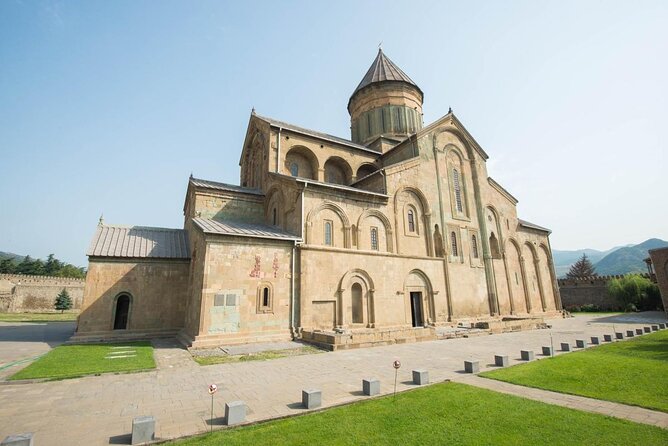
- UNESCO stops with free admission listed: Church of the Holy Cross and Svetitskhoveli Cathedral are on the World Heritage list.
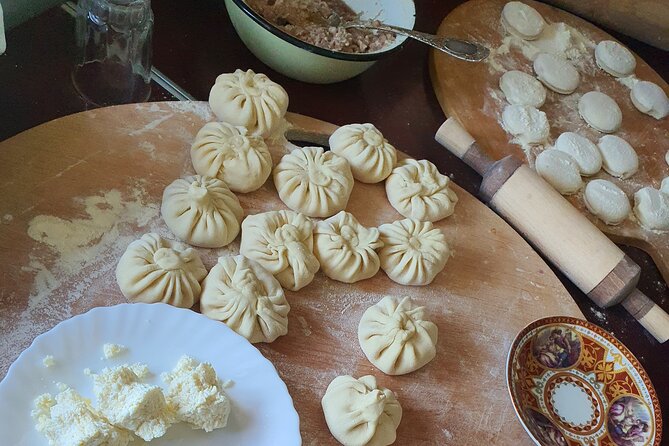
- Cooking class with a local family: you learn Georgian food directly from people who live it daily.
- Lunch shared at the family home: the best meals usually happen when you sit where the story lives.
- A good viewpoint break at the Chronicles of Georgia: copper sculptures and religious and historical scenes make for quick, memorable photos.
- Private format: only your group joins, which helps if you have teens, families, or specific pacing preferences.
More kitchens that will put you to work on khinkali


Why Mtskheta makes such a strong half-day to full-day
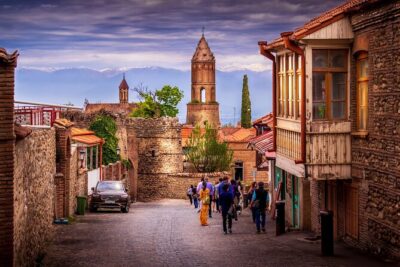
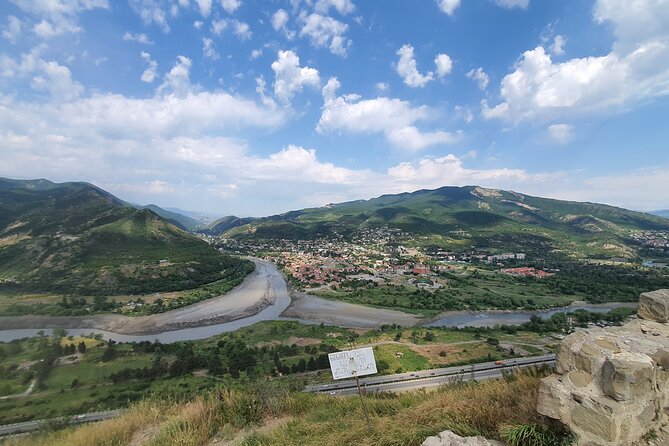
Mtskheta sits about 20 kilometers north of Tbilisi, and it has been important for a very long time. It served as the capital of the early Georgian Kingdom of Iberia from the 3rd century BC to the 5th century AD, and it also functioned as a religious center for centuries. That means you are not just hopping to another pretty town. You are walking into layers of Georgian identity.
What I like about this kind of day trip is the mix. In a few hours, you can see major religious architecture tied to UNESCO and then shift into the practical side of culture through food. Georgia’s cuisine is not just about taste, it is about how people live, gather, and celebrate. When the cooking lesson is part of the plan, it stops being a souvenir activity and becomes a way to understand everyday heritage.
Price and value: what $150 buys you (and what to watch)
At $150 per person, you are paying for more than entry tickets. Your day includes:
- private tour setup for your group
- air-conditioned transport with WiFi
- a guide
- a cooking class with a local family
- lunch in a local home
On top of that, the itinerary lists admission tickets as free for the stops. That matters because it keeps the day predictable, especially compared to tours where you pay extra at multiple sites.
The trade-off is time. This schedule gives you a taste of several key places, not a long, slow wandering day. If you are the type who wants to spend an extra hour inside cathedrals or linger for multiple viewpoints, plan to treat this as a highlight day, not a replacement for a full day in the region.
Getting from Tbilisi: pickup, comfort, and why WiFi helps
The tour starts at 9:00 am. Pickup is offered, and you ride in an air-conditioned vehicle equipped with WiFi. For a day trip, that combination is underrated. It helps you settle in before the first UNESCO stop, and it keeps kids and teens occupied if you are traveling with a mixed group.
Private transport is also a big quality-of-life factor. You are not waiting around for other groups to arrive late, and you can usually move at a rhythm that fits your group.
One practical note from real-world experience: I always feel better when the driver is careful on uneven roads and when the schedule is tight but calm. The guide David has been praised for punctuality and safe, careful driving, which is exactly what you want when you are heading to multiple sites back-to-back.
Stop 1: Church of the Holy Cross, UNESCO start with quick impact
Your first stop is the Mtskheta Church of the Holy Cross. It is a UNESCO World Heritage site, and the itinerary lists admission as free. The timing is about 30 minutes.
This is the kind of stop where you should keep your expectations simple and focused. You are not trying to photograph every angle. You are getting oriented to why Mtskheta matters and to the overall religious significance of the area. Use the short window to notice materials, shapes, and placement. In Georgia, religious sites often feel integrated with the landscape and the sense of place, so even a brief visit gives you context for the rest of the day.
If you want more from this stop, arrive ready with a quick game plan. For example, pick one detail to study, like the façade style or how the building sits relative to its surroundings. With only half an hour, you get more out of intent than wandering.
More of Mtskheta and the Jvari hill above the confluence
- Day Trip to Mtskheta Gori and Uplistsikhe★ 5.0 · 1,801 reviews
- Tbilisi:Mtskheta,Jvari,Bazaar,wine tasting,Chronicles of Georgia★ 5.0 · 730 reviews
- Mtskheta-Gori-Uplistsikhe★ 5.0 · 112 reviews
- Mtskheta, Jvari, gori, uflistsikhe, history and panorama (group tours)★ 4.5 · 107 reviews
- Mtskheta-Jvari-Uplistsike-Chronicle of Georgia, PRIVATE Trip★ 5.0 · 105 reviews
Stop 2: Svetitskhoveli Cathedral and the old Mtskheta zone
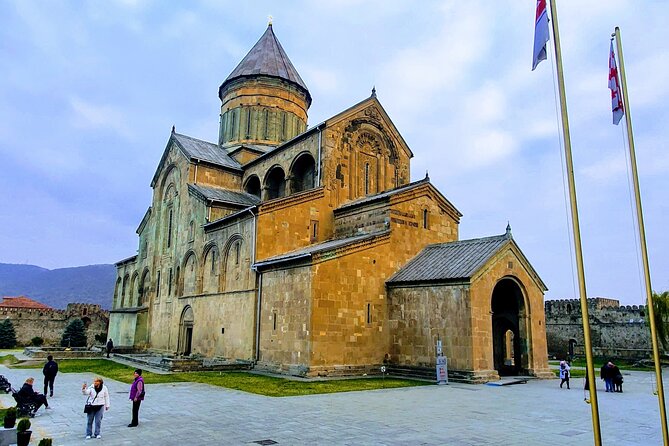
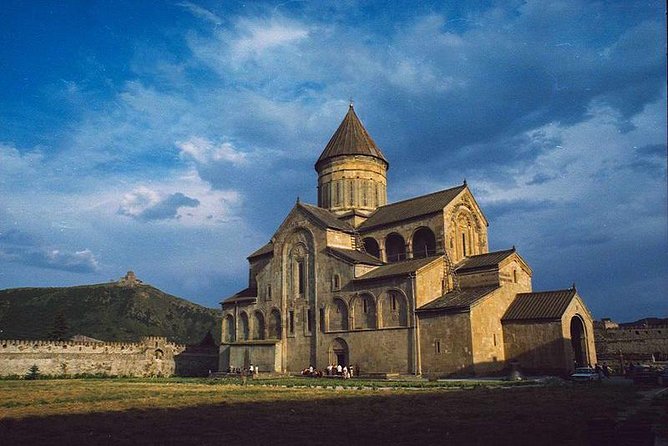
Next up is Svetitskhoveli Cathedral, also UNESCO, and described as the main cathedral. Admission is listed as free, and you are scheduled for about 3 hours total including lunch.
This is your heavy-hitter stop. Svetitskhoveli is one of Georgia’s most significant churches, and it is tied directly to Mtskheta’s identity as a long-running religious center. Even if you only scratch the surface, you will feel the scale of what you are seeing, especially compared with the smaller bursts of time at the other stops.
What makes this stop especially good in a tour format is the pacing. You get the cathedral time first, then you transition into lunch. That flow matters because it keeps the day from turning into a list of rushed sites.
Also, plan for proper walking comfort. Cathedral areas can involve uneven ground and some standing time. Wear shoes you can move in easily, not your “cute but risky” option.
Lunch after the cathedral: what makes it feel real
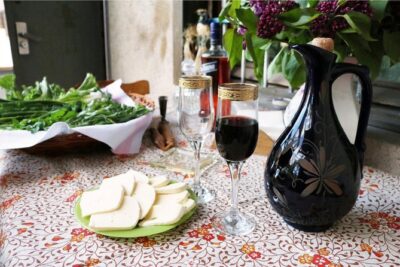
After the cathedral visit, lunch is part of the plan. The key detail is that you are not eating in a generic restaurant box. The tour focuses on sharing lunch in a local home, which is where Georgian hospitality shows up in a natural way.
This is one of the few times in travel where you can use your senses in a grounded way. You can taste what you just learned about culturally, and you can ask questions in a relaxed setting. It also helps the whole day feel cohesive, not like “sights first, food later.”
Stop 3: Chronicles of Georgia viewpoint and copper storytelling
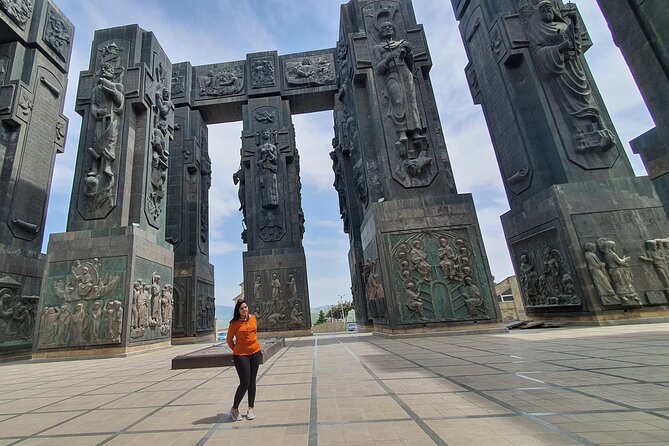
Then you shift to something different: the Chronicles of Georgia stop. The description frames it as one of the best viewpoints in Tbilisi, with copper sculptures of religious and historical people and stories. Admission is listed as free, with a 40-minute stop.
I like this stop because it changes the pace. You are moving from sacred architecture to an outdoor, visual history presentation. The copper sculptures make it easy to understand what the site is trying to do: show key figures and moments in a way you can see and recognize quickly.
Use this time for two things:
- A photo round that captures the copper sculptures clearly
- A short rest so you do not arrive hungry or stressed at the later Mtskheta moments
If you are traveling with kids or teens, this is often the easiest stop to enjoy because it is outdoors and scene-based.
Stop 4: Mtskheta town time, ancient city in 30 minutes
The final stop is Mtskheta itself, scheduled for about 30 minutes with free admission listed. Mtskheta is described as one of the oldest continuously inhabited cities in the world, and it is known for its architecture and traditional cuisine.
In a schedule like this, the goal is not to “see it all.” The goal is to get the vibe and enough quick context to connect the morning’s history with the afternoon’s food lesson. Thirty minutes can feel short, but it is often enough time to walk a small section, look at building styles, and understand why people keep coming back.
If you want extra value from this part, give yourself one mission: find a spot to pause and look back at what you already saw. When you connect what you learned earlier to what you see now in town, the whole day clicks.
The cooking class with a local family, the real cultural payoff
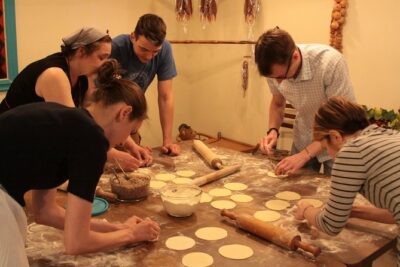
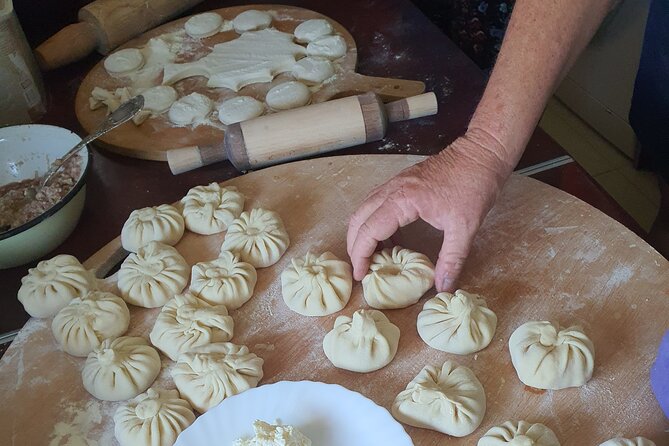
The heart of this tour is the cooking class with a local family. You learn Georgian food from them, then you share lunch afterward. This is where your day becomes more than sightseeing.
Why this matters: when you cook with local hosts, you naturally pick up practical culture. You learn how recipes are taught, what ingredients matter, how flavors are built, and what people consider essential. Even without getting technical, you will come away with a better sense of how Georgian cooking fits daily life, not just special occasions.
The itinerary does not list the exact dishes you will make, so keep your expectations flexible. Instead, focus on the process: ask questions while you cook, notice how the family guides timing, and pay attention to the steps they repeat. That is where the teaching lives.
One more tip for the lesson: come ready to eat what you make. If you are thinking of trying to “save room” for later, you will miss the point. The experience is designed so the cooking leads straight into the meal.
Lunch in a local home: how to get the most from it
Sharing lunch in a local home is usually the moment where tours either feel generic or feel memorable. Here, it is built into the experience, not bolted on at the end.
To get more out of the meal, do a few simple things:
- Ask a basic question about what you are eating, even if you only know a little Georgian.
- Notice how everyone eats together. Georgian meals often feel social, not like a quick stopover.
- Use the guide to translate the big picture, then talk directly to the family hosts.
If you have food allergies, do not assume everything will be automatically handled. The itinerary does not specify dietary accommodations, so it is smart to mention your needs ahead of time when booking.
Also remember timing. A long lunch can steal time from the next sites, but the tour’s structure is designed to keep everything moving. Go with the flow.
Group size, private feel, and mixed-age friendliness
This is a private tour/activity, and only your group participates. That matters if you want a more tailored pace, or if you have a mix of adults and kids.
One detail that stands out from real feedback: a roomy van worked well for a group of eight, including a 2-year-old and teenagers. That is the kind of practical comfort you cannot measure from a listing, but it affects the day more than you might think. When everyone has room to sit and breathe, you arrive more relaxed at churches and viewpoints.
So if you are booking for a family or a small group, this private format plus vehicle comfort is a strong match.
Who should book this Mtskheta heritage and cuisine tour
Book this if you want:
- a guided day trip that combines UNESCO stops with a hands-on Georgian cooking class
- hotel pickup so you do not start the day scrambling for transportation
- a meal experience that includes lunch at a local home, not just a quick restaurant bite
- a schedule that fits a 5-7 hour window
Skip it, or think twice, if:
- you want lots of free time for long independent wandering
- you hate structured schedules and prefer to spend most of the day in one site
This tour is also a good fit for travelers who learn best by doing. Seeing a cathedral gives context, but cooking with a family gives understanding you can take home.
Should you book? My practical recommendation
I think this is a strong choice if your priority is a meaningful mix of culture and food without hassle. The biggest strength is the way the day is stitched together: UNESCO sites in Mtskheta area context, then a viewpoint break, then town time, and finally the cooking class and home lunch that turn heritage into something you experience directly.
At $150, you are paying for guided transport, a structured itinerary, and the most valuable part, the local family interaction. With admission listed as free at the stops and pickup included, the cost feels more like a package for a complete day than a set of separate add-ons.
If you like fast, well-guided days where you leave with both photos and a full stomach, this one is worth booking. If you prefer slow travel and deep time in just one place, plan a longer Mtskheta stay instead.
FAQ
How long is the Mtskheta heritage and cooking tour?
It runs about 5 to 7 hours.
What time does the tour start?
The start time is 9:00 am.
Is hotel pickup included?
Yes, pickup from your accommodation in Tbilisi is offered.
Is the tour private?
Yes, it is a private tour/activity, and only your group will participate.
Are admission tickets required for the UNESCO sites?
Admission tickets are listed as free for the stops in the itinerary.
What kind of transportation is used?
You travel in an air-conditioned vehicle with WiFi.
What is included besides the sightseeing?
You get a cooking class with a local family and share lunch in a local home.
Can I cancel for free if I change my plans?
Yes, you can cancel up to 24 hours in advance for a full refund.
Hands-On Afternoons


Mtskheta and the Hill Above It
More Kitchens Worth an Afternoon
Other Georgian tours we have been through, from the Black Sea to the Kakheti vineyards
- Private Adorable City Tour of Tbilisi
★ 5.0 · 3 reviews - Tbilisi Airport to Gudauri, Bakuriani, Batumi, Tbilisi
★ 5.0 · 3 reviews - Private Wine Tour In Kakheti Region with 7 Wines and Lunch
★ 5.0 · 3 reviews - Two Capitals in One Day: Tbilisi and Mtskheta Combo Tour
★ 5.0 · 3 reviews - Private Effortless transfer from Tbilisi to Gudauri ski resort
★ 5.0 · 3 reviews - Tbilisi to Gudauri Stepantsminda Private Transfer
★ 5.0 · 3 reviews
Mtskheta & Jvari Monastery, compared.
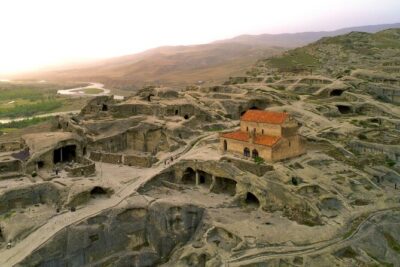 ★ 5.0Day Trip to Mtskheta Gori and UplistsikheFrom $291,801 reviews
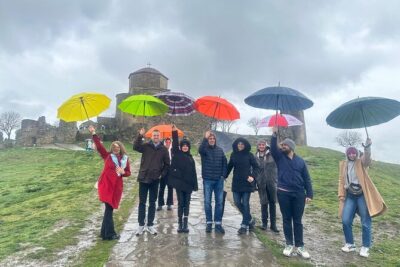 ★ 5.0Mtskheta,Jvari,Bazaar,wine tasting,Chronicles of GeorgiaFrom $20730 reviews
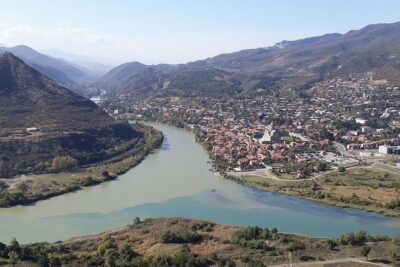 ★ 5.0Mtskheta-Gori-UplistsikheFrom $90112 reviews
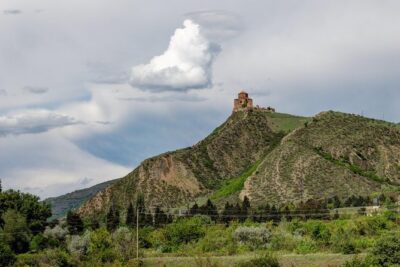 ★ 4.5Mtskheta, Jvari, gori, uflistsikhe, history and panorama (group tours)From $19107 reviews
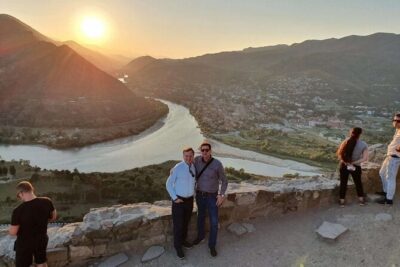 ★ 5.0Mtskheta-Jvari-Uplistsike-Chronicle of Georgia, PRIVATE TripFrom $68105 reviews
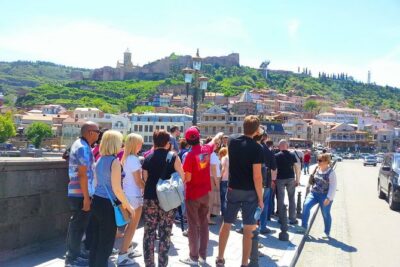 ★ 4.5Tbilisi – Mtskheta – Jvari. Full City Tour on Hop On Hop Off BusFrom $4091 reviews
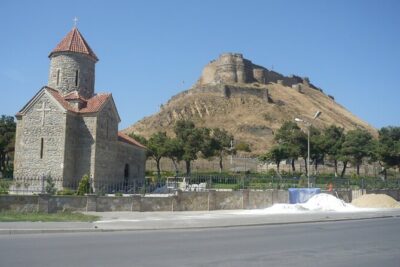 ★ 4.5Ancient Georgia Group Tour: Mtskheta,Jvari, Gori, UplistsikheFrom $2473 reviews
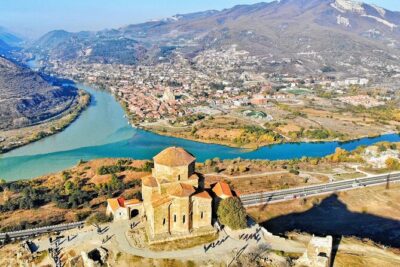 ★ 5.0Ancient Mtskheta and Chronicle of Georgia half day tourFrom $6566 reviews
Browse the lists this tour appears in