
REVIEW · BATUMI & THE ADJARA COAST
Cook True Ajarian Khachapuri and Khinkali in Highlanders Style
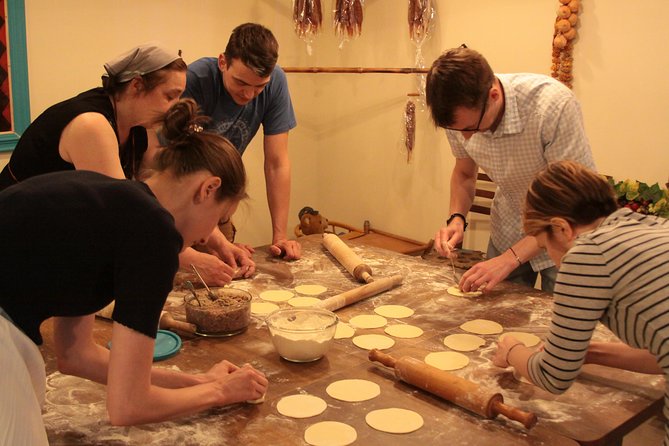
Cook and eat like a local. This Tbilisi session at Chakandrila is a hands-on class where you make and taste Adjaruli khachapuri and khinkali, then settle in with drinks and lunch in a cozy, home-style setting. I love that it is structured like a real cooking lesson, not a demo, and I also love the payoff, warm pastries and dumplings you get to finish right there.
One thing to think about first: you will be working with cheese and eggs, and the dumplings are traditionally meat-filled. The good news is you can ask for a vegetarian swap for the meat-based filling, but plan ahead if dairy or eggs are an issue for you.
In This Review
- Key things to know before you cook
- Meeting at Chakandrila, then cooking in a real home setting
- What’s on the menu: Adjaruli khachapuri and Highlanders-style khinkali
- Cooking Adjaruli khachapuri: the boat shape, the cheese pull, the why behind it
- Khinkali in Highlanders style: filling, folding, and getting the dumpling right
- Lunch is included, and so is the homemade wine
- The teaching style: patient, structured, and built for real people
- Language and conversation: English support, plus real human hospitality
- Price and value in Tbilisi: $39 for lunch plus technique
- Who should book this class, and who might skip
- Quick tips to get the most from your class
- Should you book Cook True Ajarian Khachapuri and Khinkali in Highlanders Style?
- FAQ
- Where is the class meeting point?
- How long is the cooking class?
- Is this experience private?
- What dishes will I make and eat?
- Is wine included?
- Can I request a vegetarian option?
- Do the recipes include cheese and eggs?
- Is English available?
- What if I cancel?
Key things to know before you cook
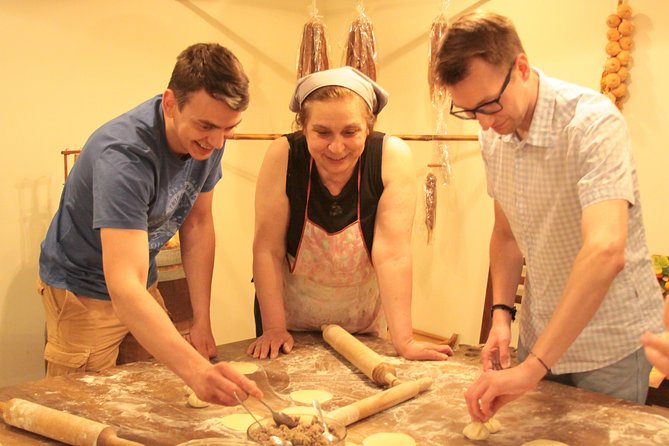
- Boat-shaped khachapuri that you shape, not just watch
- Khinkali folding with step-by-step guidance
- Homemade wine included, with non-alcoholic drinks available
- A home-style workshop feel at Chakandrila, not a big restaurant setup
- You get recipes and ingredient notes so you can repeat it later
- Private class format, with personal attention for your group
More kitchens that will put you to work on khinkali
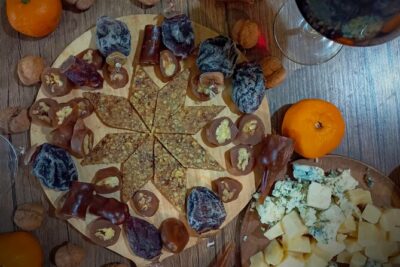

Meeting at Chakandrila, then cooking in a real home setting
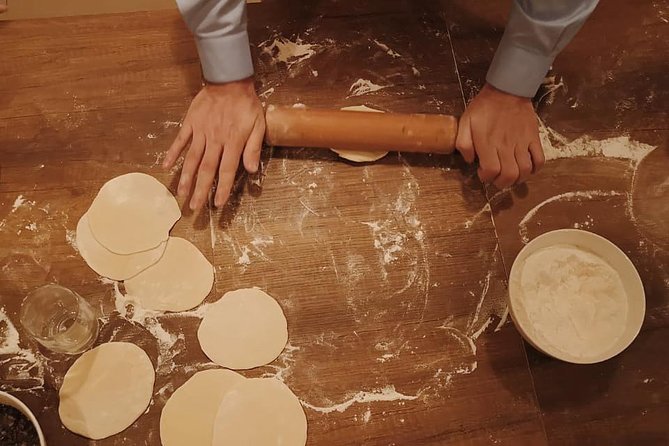
This experience starts at Biblusi#8 Merab Kostava St, T’bilisi, Georgia. You will meet the host team, then head to the cozy cooking workshop at Chakandrila. The whole point is simple: trade another restaurant meal for a kitchen lesson you can actually use at home.
What makes this setup special is the atmosphere. Several past participants talk about it feeling homey, welcoming, and genuinely warm, the kind of place where the host chats while walking you through the process. That matters because cooking classes can be either strict or relaxed. Here, you get structure plus a friendly pace.
Also, it is offered in English. In many sessions, you may find the instruction adjusts to the group, with support in Russian when needed, which helps if your travel buddy speaks another language and you want to follow along.
What’s on the menu: Adjaruli khachapuri and Highlanders-style khinkali
You will make two Georgian staples, then eat them as your lunch.
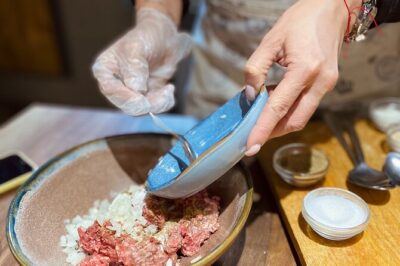
For the main course, you will focus on Adjaruli khachapuri, a traditional boat-shaped cheese pie. Expect hands-on dough work, filling, shaping, and baking details. Then the class moves to khinkali, traditional Georgian meat dumplings. Each guest gets 5 to 6 khinkali, and you can request a vegetarian option for the dumpling filling.
The rhythm matters here. You are not just making food and rushing out. You cook, taste, and then sit down to eat what you made. That turns the class into a full meal experience, which is a big part of the value of the $39 price.
Cooking Adjaruli khachapuri: the boat shape, the cheese pull, the why behind it
Adjaruli khachapuri is one of those dishes that looks complicated, but the process is very teachable. The key is the boat shape. You are learning how to stretch and shape the dough into a form that can hold cheese without spilling, then get that classic baked texture.
If you are a beginner, this is where the host’s patience really shows. People have specifically called out how friendly and encouraging the teacher is, even if your hands are not naturally “dough hands.” The lesson is step-by-step, so you are not guessing. You learn what to do next, and you get corrections as you go, the kind that helps you fix issues early instead of ruining the whole pie.
One practical detail to keep in mind: khachapuri dough often needs extra time to rest. In one account, the resting time for the dough was about two hours ahead. Your class timing may vary, but the underlying idea does not change. The teacher plans around proper dough rest so the final texture is right.
When you taste what you helped create, you are tasting more than just cheese and bread. You are tasting the result of correct dough structure and the right ratio of filling. That is why cooking classes beat restaurant meals for learning.
Khinkali in Highlanders style: filling, folding, and getting the dumpling right
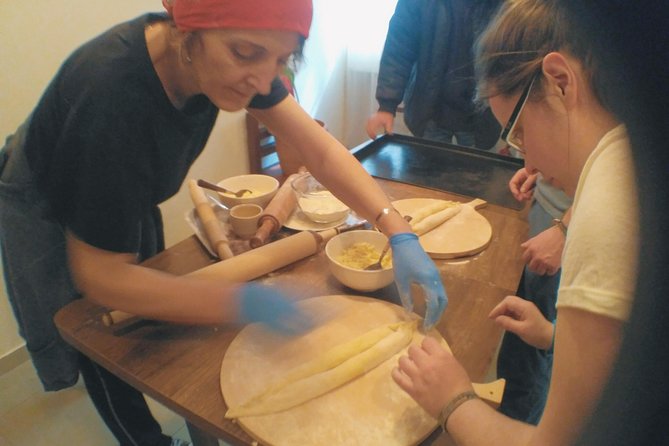
Khinkali are not hard because the steps are secret. They are hard because folding dumplings has a lot of tiny decisions: how much filling to use, how to seal, and how to shape so they do not open during cooking.
Here, the class format is hands-on. You will learn how to make the dumplings and then eat them. Several participants mention that the teacher is patient, explains thoroughly, and even provides recipes and instructions that make it possible to repeat the dish later. That is exactly what you want from a class. You should leave feeling like you have a repeatable process, not just a memorable dinner.
If you eat meat, you will likely make traditional khinkali with a meat filling. If you do not, or you are traveling with someone who avoids meat, you can ask for a vegetarian option. The important part is to request it ahead of time, so the kitchen can plan ingredients accordingly.
Also note the diet reality of the menu: even vegetarian versions would still involve cheese and eggs because those are part of the cooking setup. If you have strict dietary restrictions, you will want to communicate those clearly before you arrive.
More of Batumi, the boulevard and the Adjaran hills behind it
- Tbilisi to Batumi, or vice versa – Private Transfer★ 5.0 · 27 reviews
- Batumi 4 Days Tour★ 5.0 · 6 reviews
- Tbilisi Airport to Gudauri, Bakuriani, Batumi, Tbilisi★ 5.0 · 3 reviews
Lunch is included, and so is the homemade wine
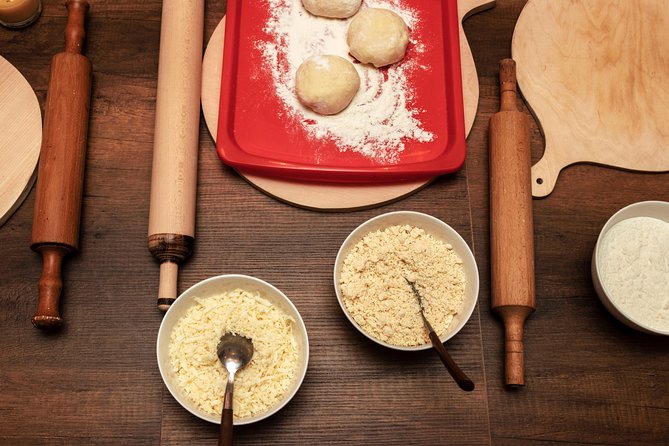
This is not a “you cook, you snack” experience. Lunch is included: your Adjaruli khachapuri and 5 to 6 khinkali per guest. Drinks are part of the package too, including a glass of homemade wine.
Some classes also offer non-alcoholic drinks, so you are not forced into alcohol. If you drink, this is one of the best ways to pair Georgian flavors with Georgian food, because the wine is homemade and served as part of the meal rhythm, not as an afterthought.
From a practical standpoint, eating what you cooked right away also helps you learn. You can compare your finished dumpling to what you were taught, then link the technique to the taste. That feedback loop is what makes the class stick in your memory.
The teaching style: patient, structured, and built for real people
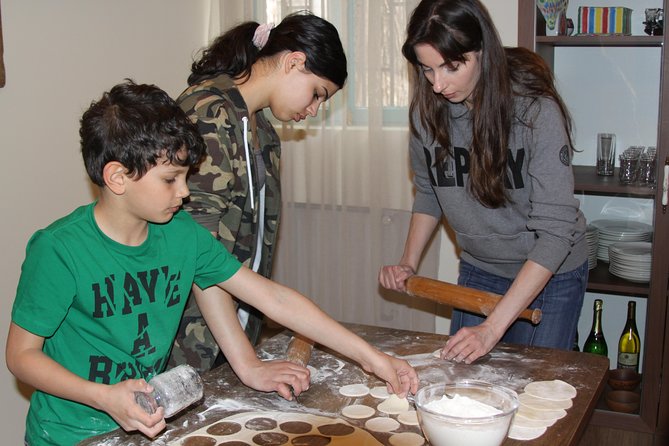
Cooking classes can be uncomfortable if the teacher expects perfection. This one seems designed for normal humans. Multiple reviews describe the instructor as kind and patient, with a sense of humor and a supportive tone. People even mention being clumsy at first and still ending up with results that look and taste good.
The teaching is also described as well planned and structured. That is the difference between learning a recipe and learning how to cook. You start from scratch, get guidance through each step, then finish with a meal. And you are not left with vague instructions. Participants talk about receiving written recipes and ingredient notes, including specific guidance for making khinkali and khachapuri at home.
One nice touch: people have said they were allowed to take pictures and videos. So if you want to document your dough disaster and your final dumpling success, you can.
Language and conversation: English support, plus real human hospitality
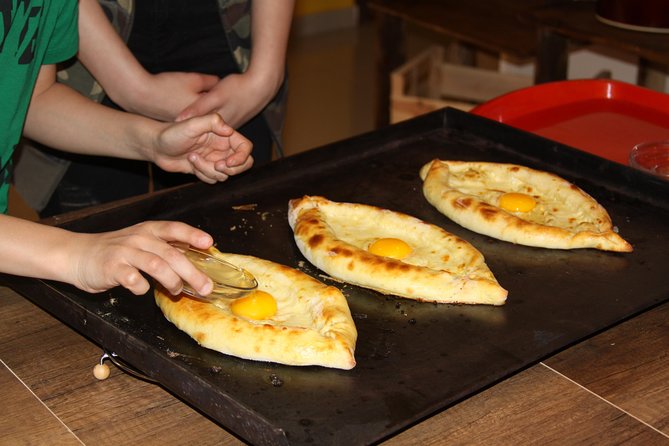
The class is offered in English, which is huge for planning. But what you might not expect is the conversation. Reviews repeatedly bring up the warm welcome and the friendly, story-based chat during the cooking.
When a teacher shares family stories or talks about their love of cooking while you work, you absorb more than technique. You pick up cultural context. You learn why these foods matter and how they are made in daily Georgian life.
This is also where the apartment setting helps. A home kitchen encourages interaction. You ask questions. You pause when you need to. You end up chatting with the host, and sometimes you might meet other diners as well, depending on the group structure that day.
Price and value in Tbilisi: $39 for lunch plus technique
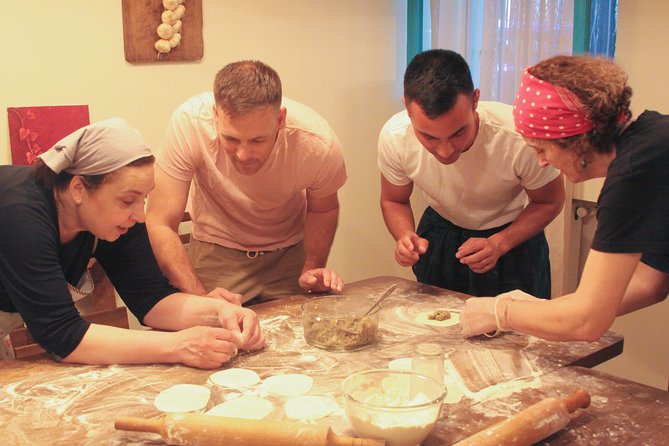
At $39 per person, this class is not “cheap” in the way a museum ticket is cheap. But it is also not overpriced if you treat it as a meal plus a skill lesson.
You get:
- Lunch made by you: khachapuri and khinkali
- 5 to 6 khinkali per guest
- A glass of homemade wine (with non-alcoholic options available)
- A private class format for your group
- Recipes and ingredient notes for later
If you were to order khachapuri and khinkali at a restaurant, you would pay for the food and drinks only. Here, you pay for the food plus the teaching time plus the chance to repeat the dishes at home. That is what justifies the price.
Also, 2 hours 30 minutes is a sweet length. Long enough to learn and enjoy lunch, short enough that you are not losing your whole afternoon.
Who should book this class, and who might skip
Book it if you want a practical, local experience that goes beyond sightseeing. This is especially good for:
- Food lovers who like hands-on cooking
- Travelers who want an authentic meal without a heavy tourist-feel
- Anyone who enjoys Georgian culture through real daily life
- Beginner cooks, because the instruction is patient and step-by-step
Consider skipping or choosing something else if:
- You avoid cheese and eggs and cannot do Georgian dairy-based doughs
- You do not want meat-based dumplings, even though vegetarian options can be requested
- You prefer a purely sightseeing pace and would rather not spend time cooking
Quick tips to get the most from your class
- Arrive hungry. Lunch is included, and you will likely taste along the way.
- Tell the host about vegetarian needs ahead of time, especially for the khinkali filling.
- If dairy or eggs are a concern, ask early. Cheese and eggs are used in the cooking.
- Plan to take notes. Even with recipes later, hearing step-by-step guidance helps you repeat it.
- Wear something comfortable for a kitchen setting, because dough work can be a bit messy.
Should you book Cook True Ajarian Khachapuri and Khinkali in Highlanders Style?
I think you should book it if you are looking for a real Georgian cooking experience with a friendly, personal teacher and a clear outcome: you will leave knowing how to make both dishes and you will have eaten a full lunch you created yourself.
It is also a strong choice for first-time visitors who want something memorable but not stressful. The class is structured, the hosts are described as kind and patient, and the result is delicious. The only real “watch out” is dietary, especially cheese and eggs, since the class uses them.
If you fall into the food-loving, curious traveler category, this is an easy yes. Add it to your Tbilisi plan and you will likely end up talking about the wine, the dough, and the dumpling folds long after your last walk down Merab Kostava Street.
FAQ
Where is the class meeting point?
You start at Biblusi#8 Merab Kostava St, T’bilisi, Georgia. The experience ends back at the meeting point.
How long is the cooking class?
It runs about 2 hours 30 minutes.
Is this experience private?
Yes. It is listed as a private tour/activity, so only your group participates.
What dishes will I make and eat?
You will cook and then eat Adjaruli khachapuri and khinkali. Lunch includes your khachapuri plus 5 to 6 khinkali per guest.
Is wine included?
Yes. You receive a glass of homemade wine. Non-alcoholic drinks are also available.
Can I request a vegetarian option?
Yes. Meat-based dishes can be switched to vegetarian options, and you can ask for a vegetarian option for the khinkali.
Do the recipes include cheese and eggs?
Yes. The class uses cheese and eggs in the cooking.
Is English available?
The experience is offered in English.
What if I cancel?
Free cancellation is available. You can cancel up to 24 hours in advance for a full refund.
Everything Else Across the Caucasus


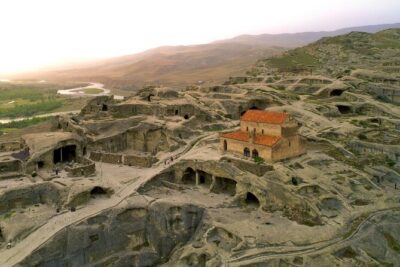
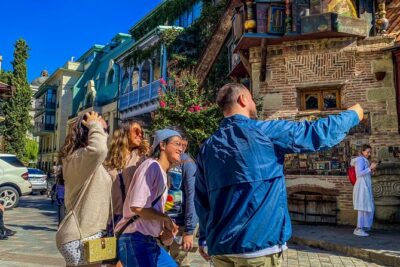

Batumi and the Hills Behind It



More Kitchens Worth an Afternoon
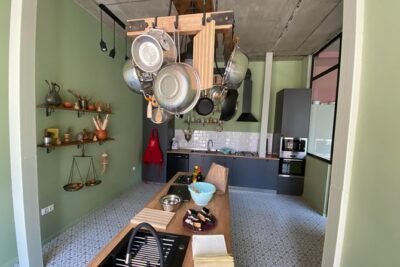
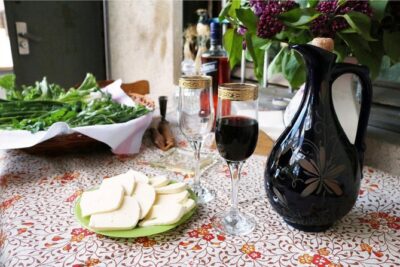
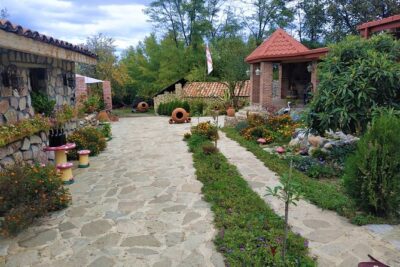
Other Georgian tours we have been through, from the Black Sea to the Kakheti vineyards
- Private Adorable City Tour of Tbilisi
★ 5.0 · 3 reviews - Tbilisi Airport to Gudauri, Bakuriani, Batumi, Tbilisi
★ 5.0 · 3 reviews - Private Wine Tour In Kakheti Region with 7 Wines and Lunch
★ 5.0 · 3 reviews - Two Capitals in One Day: Tbilisi and Mtskheta Combo Tour
★ 5.0 · 3 reviews - Private Effortless transfer from Tbilisi to Gudauri ski resort
★ 5.0 · 3 reviews - Tbilisi to Gudauri Stepantsminda Private Transfer
★ 5.0 · 3 reviews
Batumi & the Adjara Coast, compared.
 ★ 5.0The Best Tour From BatumiFrom $50108 reviews
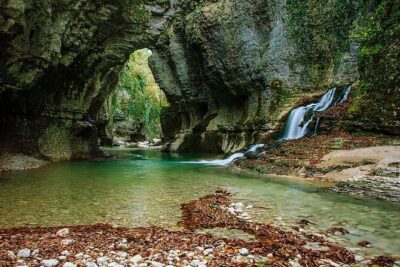 ★ 4.5Private Canyon &Cave Tour from Batumi(Martvili,Okatse,Prometheus)From $9552 reviews
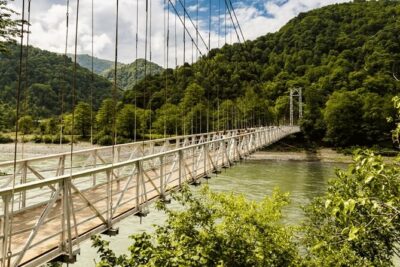 ★ 5.0Wine and Dine Tour To Batumi Waterfalls – Mountainous AdjaraFrom $4251 reviews
 ★ 4.0Martvili Canyon & Prometheus Cave Group Tour from BatumiFrom $6146 reviews
 ★ 5.0Full Day Tour from Batumi to WaterfallsFrom $6125 reviews
 ★ 4.5Batumi & Mtirala N.P. Hiking tour from KutaisiFrom $6223 reviews
 ★ 5.0Martvili Canyon Prometheus Cave And Hot Springs From BatumiFrom $6520 reviews
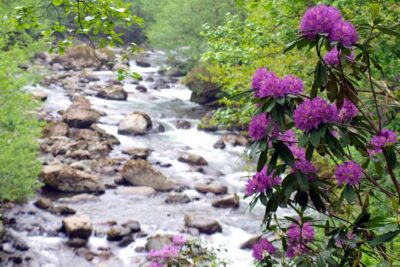 ★ 5.0Mtirala National Park TourFrom $8317 reviews
Browse the lists this tour appears in