
REVIEW · GEORGIAN COOKING CLASSES
Small-Group Khinkali and Khachapuri Cooking Class in Tbilisi
Khinkali folding feels like a mini magic trick. This small-group Tbilisi workshop teaches you how to make Georgia favorites, with wine and a full spread before you sit down to eat. I love that it is hands-on and social, and a chef guides you step-by-step in the restaurant hall, not a distant kitchen. One thing to consider: the hotter cooking steps happen away from your work station, so you mainly focus on dough prep, filling, and shaping.
Two classics for one price is the appeal here. For about two hours, you cook and then taste khinkali and Imeretian khachapuri, plus salad, cheese, and wine. That means you leave with a real meal, not just a snack and photos.
If you’re picky about timing and crowd size, read this part carefully. The experience is set up for small groups, but during busy periods some people report larger tables and longer waits, and a few classes can run late. Also, a couple of accounts mention wine being limited to red, and seating may be affected by weather.
In This Review
- Key Things I Like About This Class
- Meeting St.Bunny31 on Griboedov Street, Then Cooking in a Restaurant Hall
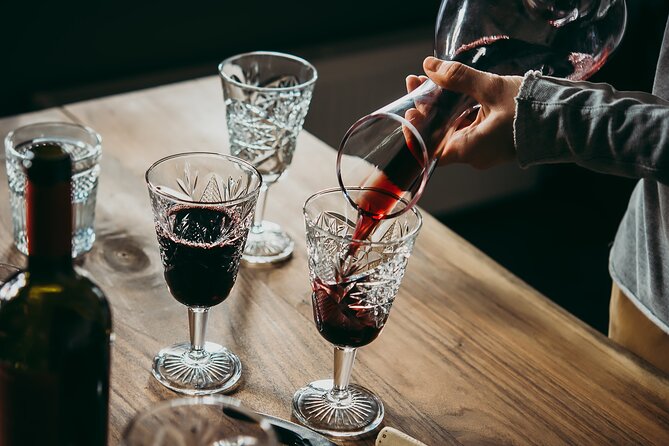
- Welcome Spread: Wine, Farm Cheese, and Tomato Salad Before You Cook
- Khinkali Step-by-Step: Dough Secrets, Filling, and the Folding Lesson
- Khachapuri Imeretian Style: Spreading Cheese and Getting the Bread Ready
- What Happens Behind Closed Doors (And Why It’s Still Worth It)
- Eating Your Results: Cozy Atmosphere, Shared Meal, and Recipes to Take Home
- Price and Value in Tbilisi: Why $27.50 Often Feels Like a Deal
- Who This Cooking Class Fits Best (And Who Should Rethink It)
- Tips to Get the Most From Your Khinkali and Khachapuri Session
- Should You Book This Tbilisi Khinkali and Khachapuri Class?
- FAQ
- How long is the Small-Group Khinkali and Khachapuri Cooking Class?
- Where does the class meet in Tbilisi?
- What dishes do you learn to cook?
- Is the class held in the kitchen?
- What is included with the class?
- What language is the class offered in?
- Can I cancel for a refund?
Key Things I Like About This Class
- A true two-dish goal: khinkali plus Imeretian khachapuri in one sitting
- Small-group energy, when it works as planned: up to 6 people keeps the attention personal
- Hands-on shaping: you fold khinkali and assemble the khachapuri structure
- Included food and drinks: wine, cheese, and salad plus what you cook
- In-a-restaurant teaching style: cozy, social, and less intimidating than a workshop kitchen
More kitchens that will put you to work on khinkali
Meeting St.Bunny31 on Griboedov Street, Then Cooking in a Restaurant Hall
You start right in downtown, at St.Bunny31 on Griboedov Street. It is easy to find, and it also makes this class simple to plug into a day of sightseeing and walking. The session ends back at the same meeting point, so you do not have to plan a second commute later.
What I like about the setup is that the class happens inside the restaurant hall. That changes the vibe. Instead of a scruffy back-of-house kitchen with loud equipment, you get a more relaxed dining-room atmosphere. It also means you spend time talking, watching, and learning from the instructor without everyone being pressed into one tiny prep space.
The main practical tradeoff is that your “work zone” is a table, not an open culinary lab. That’s fine for beginners, but if you were hoping to fully run a kitchen from start to finish, the format is more about technique and hands-on prep than raw cooking labor.
Welcome Spread: Wine, Farm Cheese, and Tomato Salad Before You Cook
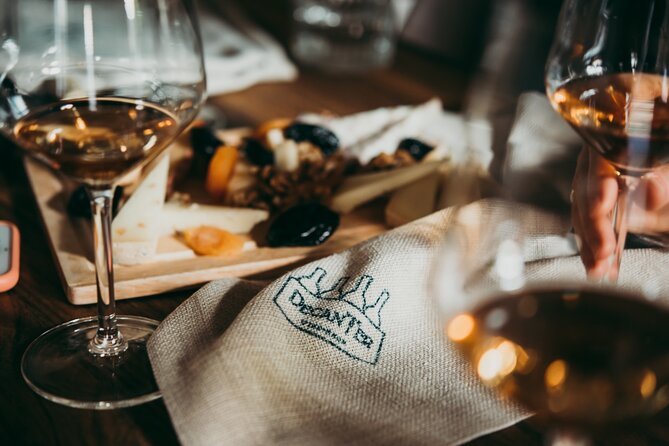
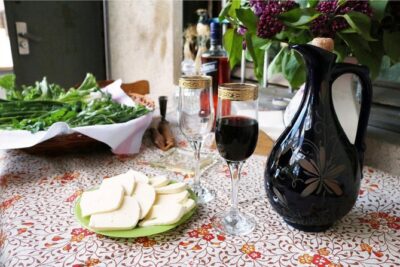
Before any dough gets shaped, you get fed. The class includes Georgian wine, a plate of farm cheeses, and a vegetable salad made from tomatoes. This is not just a nice perk. It changes the whole mood.
First, you actually settle in. Cooking classes can be stressful when you are hungry, and hunger makes you sloppy. Here, you start with familiar, comforting flavors while the chef explains what comes next.
Second, it gives you a Georgian-feast feel right away. Khinkali and khachapuri are “eat together” foods, and the wine and cheese stage sets that tone early. One review described it as a casual lunch with fun people and step-by-step instruction, and that matches the overall rhythm: learn, snack, cook, then eat your results.
If you care about wine preferences, keep in mind that at least one past participant reported only red wine being served. So if you do not drink red, it is smart to mention it when you arrive or during booking, if that option exists.
Khinkali Step-by-Step: Dough Secrets, Filling, and the Folding Lesson
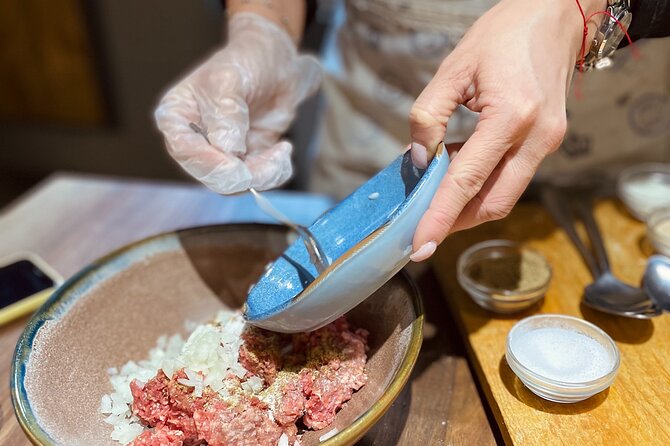
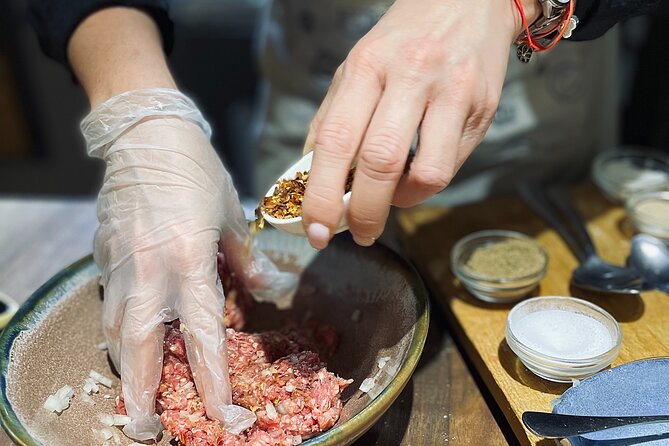
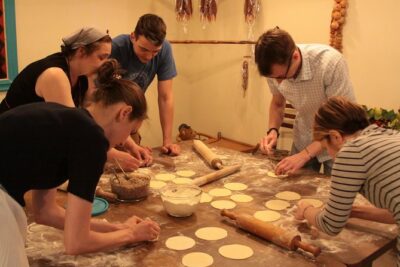
Khinkali is the centerpiece here, and it is treated like a craft. You learn the basic dough process for khinkali, then work on the filling and shaping steps.
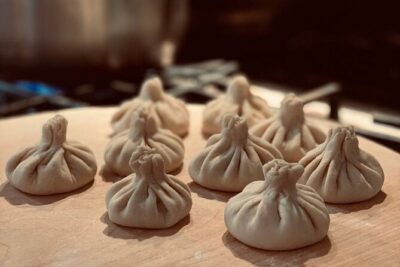
The dish you’re making is a dumpling-style dough pocket. The filling options can include veal, cheese, or mushrooms, depending on what your group session prepares. The class focuses on the technique, especially folding. That is where a lot of the joy comes from: the moment when the dough becomes a cinched “bundle.”
Here is what you can realistically expect as a hands-on learner:
- You get guidance on dough and filling components.
- You practice sculpting the khinkali into the traditional cinched shape.
- Your chef tells stories and explains tricky points while you shape.
Now, one important nuance: the class is not always a full, from-scratch production line for every element. Some people mention that khinkali dough may be partly prepared already, while you handle the rest. Another report described a “partial” style where you prep filling and shape, while cooking happens behind closed doors. So think of your role as learning the practical technique and doing the signature part, not running the entire dumpling factory.
That said, even when dough prep is partially handled, folding is still real. You get to understand the thickness, the seal, and the “look” that tells you your khinkali is formed right. And once you taste what you made, it clicks.
Also, khinkali is not only about food. Several instructors were praised for mixing practical tips with funny stories and Tbilisi background, so the folding lesson comes with context, not just commands.
Khachapuri Imeretian Style: Spreading Cheese and Getting the Bread Ready
Then you pivot to khachapuri, the cheesy Georgian bread that smells like comfort. This class centers on Imeretian khachapuri, which is cheese-forward rather than the more famous “boat” style.
What you do during the session is hands-on but manageable. You prepare the dough for khachapuri and also work on the filling. After that, you spread cheese and bring the bread to readiness, based on the chef’s instructions.
Why this part matters for you is that khachapuri is forgiving in a way that helps beginners gain confidence fast. You do not need advanced pastry skills. You do need to follow the timing and understand the basic dough feel. The instructor’s job here is to translate that into simple steps you can actually repeat later.
If you are coming to this class expecting a culinary boot camp, you might be surprised by how friendly and approachable it feels. Multiple people described the teachers as patient, humorous, and willing to answer questions. That matters because khachapuri has one “make it or break it” component: how you handle the dough and cheese distribution. When someone explains it clearly, you get it.
More hands-on afternoons, wine and bread and more
- Nana’s Kitchen – traditional Georgian cooking class at real Georgian family home★ 5.0 · 37 reviews
- Join a Local for a Market Tour, Cooking Class and Meal in her Tbilisi Home★ 5.0 · 15 reviews
- Georgian Dance Class in Tbilisi, Georgia★ 5.0 · 10 reviews
- Taste of Georgia. Cooking-Class Khinkali, Khachapuri and more★ 5.0 · 7 reviews
- 7-Day Georgian Wine and Culinary Private Tour with Cooking Class★ 5.0 · 5 reviews
What Happens Behind Closed Doors (And Why It’s Still Worth It)
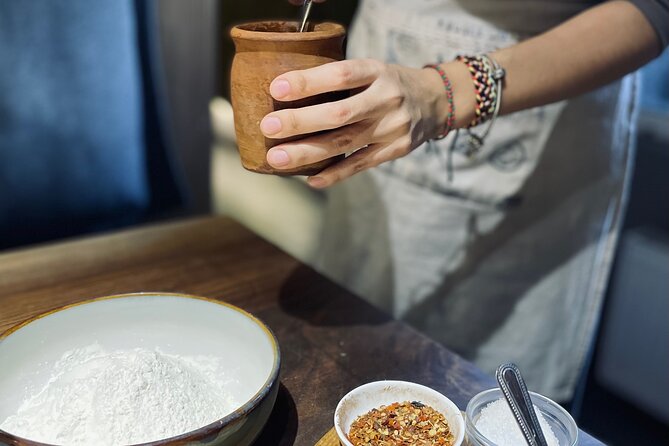
The class takes place in the restaurant hall, and that means the hot cooking does not happen at your table. Your chef’s explanation and your hands-on shaping happen in the open, but cooking is done behind closed doors.
You should treat that as a feature, not a flaw:
- It keeps the class smoother and more sanitary.
- It lets the instructor manage multiple small tasks without the whole room turning into a chaotic stove zone.
- It protects you from standing around while the kitchen handles the most time-sensitive steps.
The downside is that you will not fully control the cooking stage yourself. Some people who wanted full “cook everything yourself” participation felt it was more of a partial cooking class. If that’s you, calibrate your expectations: this is technique-focused, not kitchen-production focused.
Also, the session structure can vary depending on group flow. A delay of about 25 minutes was mentioned in one review, and another described timing and organization issues. Most reviews are positive, but it’s fair to say you might experience occasional wait time between steps, especially if staff are juggling multiple classes.
Eating Your Results: Cozy Atmosphere, Shared Meal, and Recipes to Take Home
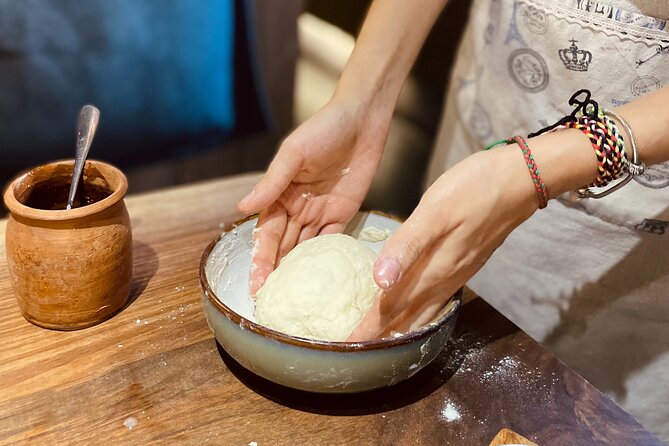
After you cook, you eat. That’s the best part, because your “class” ends as a meal, not just a tasting. The portions are described as generous by many participants, and the final outcome is often described as delicious and deeply satisfying.
The vibe tends to be cozy. Several reviews mention a warm, casual restaurant atmosphere, with good company and plenty of conversation between cooking stages. If you’re traveling solo, that social element is a real plus. Even if you do not know anyone going in, the table-based format makes it easy to chat with the people next to you.
One of the best practical takeaways is that you may receive recipes at the end. At least one review specifically notes recipe sharing, and many cooking classes in this style do it. Either way, the key skill transfer is that you learn what each stage should look and feel like, especially the khinkali folding technique.
And yes, the food tastes better because you made it. That sounds obvious, but it’s one of those things you feel in your gut. When you fold the dough and then see it plated, you finally understand what you were aiming for.
Price and Value in Tbilisi: Why $27.50 Often Feels Like a Deal
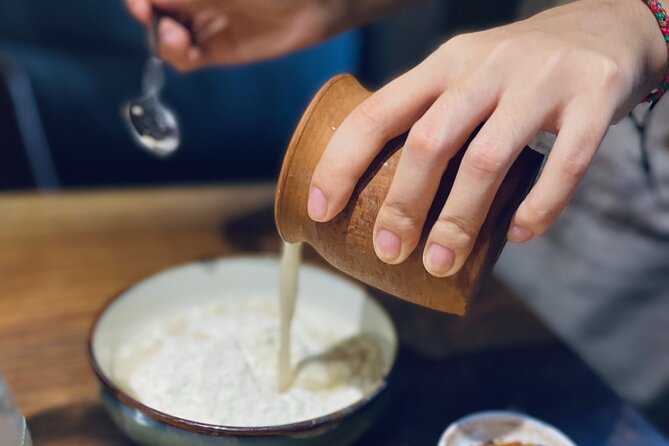
At $27.50 per person, this class hits a sweet spot for value in Tbilisi.
Here’s why it feels worth it:
- You get a full Georgian meal outcome: khinkali and khachapuri, not just a sample.
- You get included Georgian wine, cheese, and salad.
- You get guided technique and practice, which you would not get if you just bought ingredients and tried at home.
- It is only about two hours, so you get a lot of return per hour compared to longer food tours.
In other words, you are not paying only for food. You are paying for coaching and a guided experience that ends with real eating. That’s why it works especially well for people who want a memorable “Tbilisi day moment” without spending an entire afternoon in transit.
The main value concern is the format mismatch that some people experienced during peak time or with larger-than-expected group sizes. If your class becomes less intimate or you spend more time waiting, the per-person value drops a bit. So the best value strategy is booking with enough cushion in your schedule.
Who This Cooking Class Fits Best (And Who Should Rethink It)
This class is best for:
- Food lovers who want hands-on technique without fear of messing up.
- Beginners who want clear instructions and a patient instructor.
- Solo travelers who want a social table experience with other people.
- People who love Georgian flavors and want a fast, high-reward activity.
It may be less ideal for:
- Anyone who expects a full kitchen experience where you cook every hot step yourself.
- People who are very sensitive to timing issues. Some sessions have started late or run a bit over.
- Wine drinkers who need a specific wine type. One account mentioned only red being offered.
- Travelers who hate crowds. Even though the class is designed for up to 6, some reports show larger numbers during the busiest periods.
Families can work too. One review mentioned taking children (including a child around 8) and still getting a full meal and wine for adults. But since wine is included, think about your child’s comfort level and attention span before booking.
Tips to Get the Most From Your Khinkali and Khachapuri Session
A few simple moves can improve your experience, especially if you are new to Georgian cooking.
- Arrive hungry, but not stressed. You’ll start with cheese, salad, and wine, so do not overdo it with an early heavy meal.
- Ask about seating if it’s hot. One report mentioned sitting outside in intense heat. If weather is a factor, request indoor seating if possible.
- Be ready for partial prep. If dough or some components are already prepared, your focus will be on shaping and assembly. That still counts as learning.
- Pay attention during the folding lesson. Khinkali folding is the skill with the biggest pay-off. Slow down and copy the motions the chef demonstrates.
- Plan a flexible buffer. If your schedule is tight, keep a little room for delays, just in case.
You might also enjoy pairing this class with a short walk after. The Central Tbilisi location is perfect for a relaxed evening meal or dessert nearby.
Should You Book This Tbilisi Khinkali and Khachapuri Class?
Yes, I think you should book it if your goal is a fun, food-focused Georgian experience that ends with a real meal. The combo is strong: small-group-style attention, hands-on folding and assembling, and an included Georgian wine and cheese setup that makes it feel like part of a local feast.
Skip it or book with extra flexibility if you are very strict about group size staying under 6, if you need guaranteed wine choice, or if you want total control over every hot cooking step. In those cases, the restaurant-hall format and occasional peak-season crowding could frustrate you.
If you want an easy win in Tbilisi and you like learning by doing, this class is a solid pick.
FAQ
How long is the Small-Group Khinkali and Khachapuri Cooking Class?
It lasts about 2 hours.
Where does the class meet in Tbilisi?
The meeting point is St.Bunny31 Griboedov St, Tbilisi, Georgia, and it ends back at the same location.
What dishes do you learn to cook?
You make khinkali and Imeretian khachapuri.
Is the class held in the kitchen?
No. The master class happens inside the restaurant hall, and cooking is done behind closed doors.
What is included with the class?
Wine, a cheese platter, a vegetable salad, and the dishes you prepare to eat.
What language is the class offered in?
It is offered in English.
Can I cancel for a refund?
Yes. You can cancel up to 24 hours in advance for a full refund.
Everything Else Across the Caucasus



Hands-On Afternoons

More Kitchens Worth an Afternoon
Other Georgian tours we have been through, from the Black Sea to the Kakheti vineyards
- Private Adorable City Tour of Tbilisi
★ 5.0 · 3 reviews - Tbilisi Airport to Gudauri, Bakuriani, Batumi, Tbilisi
★ 5.0 · 3 reviews - Private Wine Tour In Kakheti Region with 7 Wines and Lunch
★ 5.0 · 3 reviews - Two Capitals in One Day: Tbilisi and Mtskheta Combo Tour
★ 5.0 · 3 reviews - Private Effortless transfer from Tbilisi to Gudauri ski resort
★ 5.0 · 3 reviews - Tbilisi to Gudauri Stepantsminda Private Transfer
★ 5.0 · 3 reviews
Georgian Cooking Classes, compared.
 ★ 5.0Cook True Ajarian Khachapuri and Khinkali in Highlanders StyleFrom $3993 reviews
 ★ 5.0Maia and Nina’s Magic KitchenFrom $7049 reviews
 ★ 4.5Taste of Kakheti: Wine Tour Bread Baking & Churchkhela WorkshopFrom $1946 reviews
 ★ 5.0Nana’s Kitchen – traditional Georgian cooking class at real Georgian family homeFrom $11037 reviews
 ★ 5.0Join a Local for a Market Tour, Cooking Class and Meal in her Tbilisi HomeFrom $18915 reviews
 ★ 5.0Kakheti Wine Tour with 20+ Wine Tastings & Qvevri MasterclassFrom $1478 reviews
 ★ 5.0Taste of Georgia. Cooking-Class Khinkali, Khachapuri and moreFrom $987 reviews
 ★ 5.0Kazbegi Adventure – Private Day Trip From Tbilisi with a Dinner + MasterclassFrom $1757 reviews
Browse the lists this tour appears in