
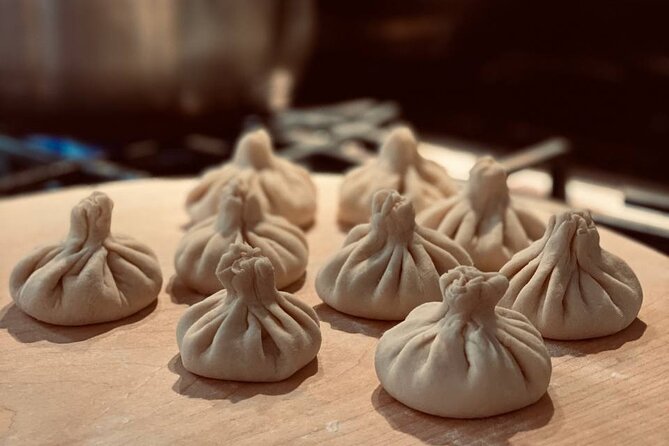
REVIEW · GEORGIAN COOKING CLASSES
Taste of Georgia. Cooking-Class Khinkali, Khachapuri and more
When you want Georgia food, make it with your hands. This cooking class turns khinkali and Ajarian khachapuri into a real, step-by-step lesson in a cozy family kitchen. I loved the practical guidance on dough and shaping, and I also liked how the meal is built around what you make, not just what you watch. One possible drawback is the experience is only about 2 hours, so it is not the kind of class where you can take your time perfecting every detail.
The best part for me is the home-kitchen feel. You are learning in a small group setting (up to 8), with the kind of patient “show, then you try” rhythm that makes the recipes feel repeatable at home. And with English offered, it is easier to follow along than you might expect.
If you are hoping for lots of extra Georgian sightseeing, this is not that. This is a food-first evening, centered on a master class plus tasting, with Georgian wine included.
In This Review
- Key highlights at a glance
- A Georgian home cooking class near Merab Kostava
- Khinkali master class: dough, filling, and not falling apart
- The filling and broth idea you can use at home
- Ajarian khachapuri: tender dough, stretchy cheese, and egg yolk
- What you’ll eat during the class, and how to enjoy it
- Meet your table-side chef, and why the small group matters
- Price and value: why $98 can make sense for technique plus lunch
- How to get the best results in only 2 hours
- Who this class suits best (and who might be happier elsewhere)
- FAQ
- How long is the cooking class?
- Is the class offered in English?
- How many people are in the group?
- What do I learn to cook?
- Is lunch or alcohol included?
- Is private transportation provided?
- Should you book this khinkali and khachapuri cooking class?
Key highlights at a glance
- Hands-on khinkali coaching focused on dough elasticity, filling, and the right turning technique
- Ajarian khachapuri dough and cheese tips aimed at that stretchy, melt-in-your-mouth texture
- Small group feel with a maximum of 8 people, so you actually get attention
- Table-side host energy with chef Grisha mentioned by name in feedback
- Starter plus main tasting built around what you learn, including egg yolk on khachapuri
- Alcoholic beverages included paired with the food you just made
More kitchens that will put you to work on khinkali
A Georgian home cooking class near Merab Kostava
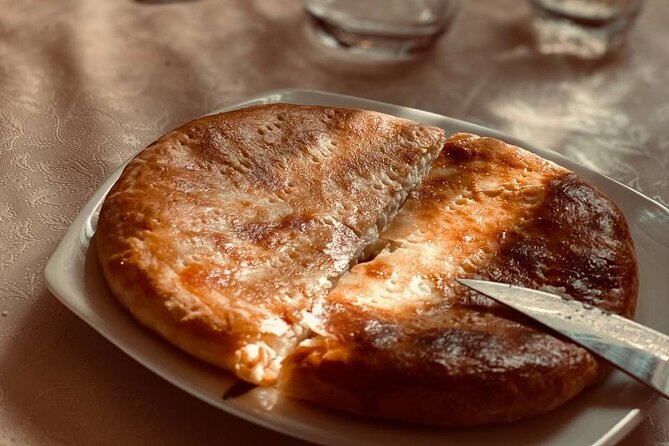
This experience starts at Georgian Cooking Classes Chakandrila 8 Merab Kostava St in Tbilisi, and it ends back at the same meeting point. It runs about 2 hours, which is a sweet spot for busy schedules, especially if you do not want a half-day event.
You get a mobile ticket, and it is offered in English. That matters because Georgian cooking is more technique-based than it looks, so being able to follow the why behind each step helps a lot.
The session is set up for a small group with a maximum of 8 travelers. In practical terms, that means fewer people competing for instructions and more chances to correct small issues before they become big mistakes.
Khinkali master class: dough, filling, and not falling apart
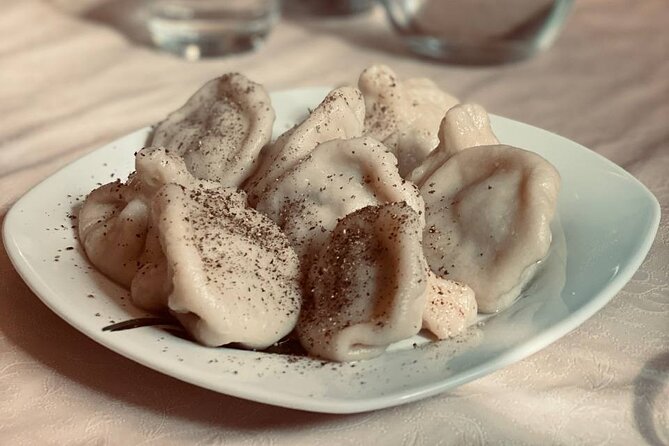
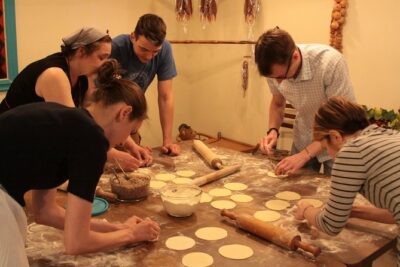
The khinkali part of this class is the main event, and it is taught as a process, not just a recipe. You learn how to pick quantities and mix the dough to get it elastic and soft. That might sound basic, but it is exactly where a lot of homemade attempts go wrong.
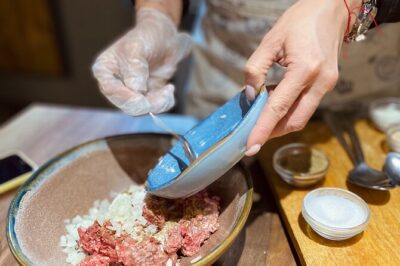
You also get very specific guidance on the filling phase. The class explains what ingredients go inside, with the key point that khinkali is all about that “healing broth” style eating experience. In other words, it is not just stuffed dough. It is dough that holds up, then becomes part of a flavorful broth moment when served.
Next comes the shaping and cooking technique. You learn how to turn khinkali correctly so they do not fall apart while cooking. That single tip can save your dinner. If you have ever had dumplings burst or leak, you know why this matters.
The filling and broth idea you can use at home
Even if you never plan to make khinkali for a crowd, this class helps you understand what changes the outcome. When the dough is elastic and properly sealed, the filling stays where it belongs, and the dish keeps its intended texture.
When the instructors talk about broth, they are pointing you toward balance. You are aiming for a filling and serving experience that feels Georgian, not just “meat inside dough.” That mindset helps when you substitute ingredients at home later.
If you want to reproduce it, take notes on how the dough feels. The class focus is on elasticity and softness, so you can use texture as your guide instead of treating it as a strict measuring exercise.
Ajarian khachapuri: tender dough, stretchy cheese, and egg yolk
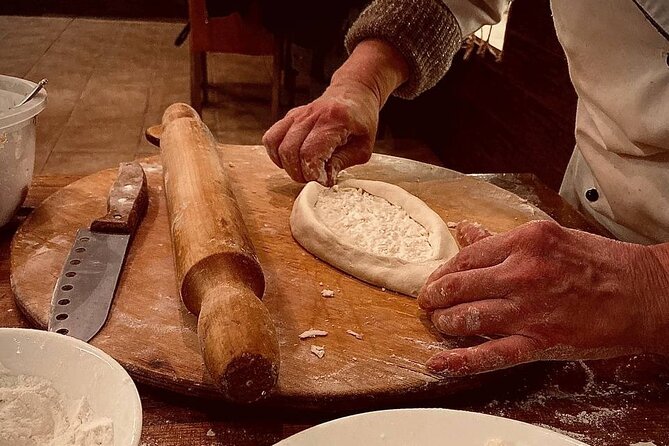
After khinkali, you move to khachapuri in the Ajarian style. The workshop walks you through preparing the dough so it comes out tender. That is a common Georgian theme: the dough should be flexible enough to form and still feel delicate when baked.
Then the cheese lessons start. You are shown what kind of cheese to use to get that stretching, melting effect that makes Ajarian khachapuri so satisfying. It is not just about flavor. The real trick is the texture in the finished dish.
You also learn about different ways of arranging khachapuri. That is useful because it changes the way the cheese behaves and how you eat it. Even if you stick to one style, you will at least understand the options.
The sample menu gives you a clear picture of what you are aiming for: sticky cheese in dough with an egg yolk. That combination is a big part of why Ajarian khachapuri feels like a warm, gooey comfort food rather than just bread with cheese.
More hands-on afternoons, wine and bread and more
- Nana’s Kitchen – traditional Georgian cooking class at real Georgian family home★ 5.0 · 37 reviews
- Join a Local for a Market Tour, Cooking Class and Meal in her Tbilisi Home★ 5.0 · 15 reviews
- Georgian Dance Class in Tbilisi, Georgia★ 5.0 · 10 reviews
- Taste of Georgia. Cooking-Class Khinkali, Khachapuri and more★ 5.0 · 7 reviews
- 7-Day Georgian Wine and Culinary Private Tour with Cooking Class★ 5.0 · 5 reviews
What you’ll eat during the class, and how to enjoy it
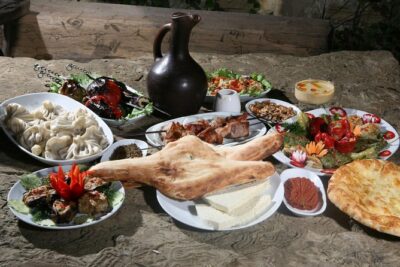
This is structured as a lunch master class with tasting. You start with a starter of Georgian khinkali, then eat the main Ajarian khachapuri. Since the lunch is tied to what you cook, you can make connections fast. You watch a technique, you try it, and then you taste the result.
Alcoholic beverages are included, so you can pair your meal with Georgian wine. If you like food and wine evenings, this is one of those classes where that pairing feels natural, because you are not separating learning from eating. The meal lands while everything is fresh in your mind.
One practical note: you are producing food as you go, so go into it with an appetite. If you eat a huge lunch right before, you might end up saving some khachapuri for later instead of enjoying it hot.
Meet your table-side chef, and why the small group matters
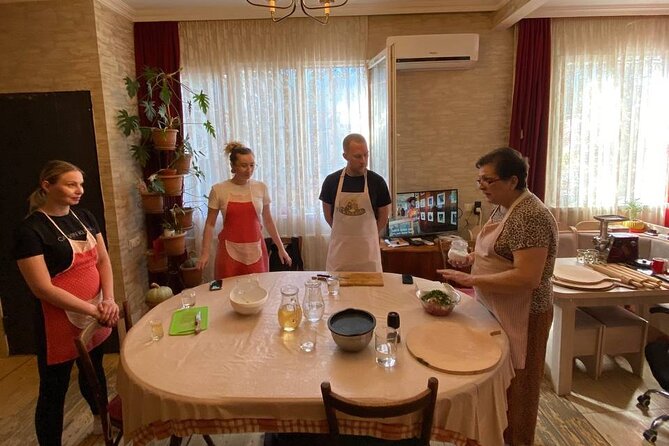
The class is hosted in a Georgian family of experienced culinary guests in a cozy, homely environment. Feedback specifically mentions chef Grisha, and that gives you a clue about the tone. This is not a stiff classroom. It is more like being welcomed into someone’s kitchen and taught with real care.
In a group of up to 8, the teaching style can stay flexible. If one person is struggling with the dough texture or sealing technique, there is time to fix it before the whole table is waiting. That kind of attention is a big part of why these classes feel memorable.
Price and value: why $98 can make sense for technique plus lunch
At $98 per person for roughly 2 hours, the price is not cheap on paper. But cooking classes cost more than you expect because you are paying for the instructors, the ingredients, the workspace, and the meal itself.
Here, you get a two-dish session focused on khinkali and Ajarian khachapuri. You also get lunch tasting and alcoholic beverages included. For a lot of food experiences, you pay for the show and buy the meal separately. Here, the learning is built into the meal you get to eat.
You do not need to arrange private transportation because it is not included, and the experience is near public transportation. That helps keep your total cost predictable once you factor in how you will get there.
If you are a couple or a small group, the value often feels better because you can split the cost of a taxi or transit trip and share the experience of cooking together.
How to get the best results in only 2 hours
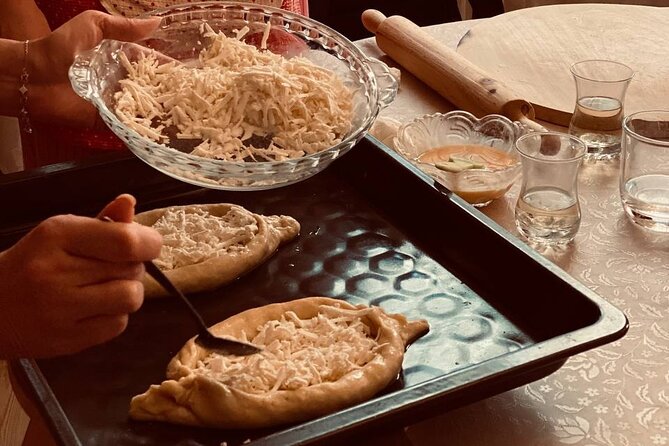
Because the class time is tight, your best strategy is to come focused. Pay attention to the stages that the instructors highlight most: dough texture for khinkali, sealing and turning to prevent breakage, and cheese choice for stretchy khachapuri.
If you have a strong khachapuri preference, ask during booking. In one piece of feedback, a request to make Imeruli khachapuri was accommodated, even though the menu is centered on Ajarian style. That tells me the provider can sometimes flex based on interest, as long as they can work it into the class plan.
Also, if you know you have dietary restrictions, communicate early. The class data here does not list specific allergy handling, so the most practical move is to ask before you arrive.
Who this class suits best (and who might be happier elsewhere)
This is a great fit if you want authentic Georgian food with real technique, not just a tasting. It is also ideal if you like social meals where you cook and eat in the same session.
It suits beginners too, because the coaching focuses on foundational steps like mixing dough for elasticity and managing shaping so the final result holds together. You do not have to be a chef to get something you can replicate later.
If you are the type who wants to spend hours perfecting every fold, this probably feels quick. Two hours is enough to learn the logic and make a couple of signature dishes, but it is not enough to turn you into an expert.
FAQ
How long is the cooking class?
It runs for about 2 hours.
Is the class offered in English?
Yes, it is offered in English.
How many people are in the group?
The experience has a maximum of 8 travelers.
What do I learn to cook?
You’ll learn khinkali and Ajarian khachapuri, including dough preparation and key technique points for shaping and getting the right texture.
Is lunch or alcohol included?
Lunch is included through a master class with tasting, and alcoholic beverages are included.
Is private transportation provided?
No, private transportation is not included. The experience is near public transportation.
Should you book this khinkali and khachapuri cooking class?
If you want a short, high-impact Georgian food experience, I think this is a smart booking. The class format gives you hands-on technique for two famous dishes, then you eat what you make, with Georgian wine included, all in a small group in a home-style setting. It is also a good choice if you are traveling with friends and want an activity that feels local instead of touristy.
Skip it only if you are looking for sightseeing or a long, slow cooking session. Otherwise, come hungry, ask questions, and treat those dough and shaping tips like your souvenir, not just your memory.
Everything Else Across the Caucasus


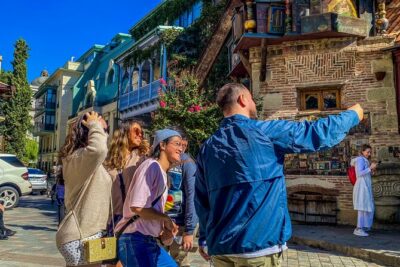

Hands-On Afternoons

More Kitchens Worth an Afternoon
Other Georgian tours we have been through, from the Black Sea to the Kakheti vineyards
- Private Adorable City Tour of Tbilisi
★ 5.0 · 3 reviews - Tbilisi Airport to Gudauri, Bakuriani, Batumi, Tbilisi
★ 5.0 · 3 reviews - Private Wine Tour In Kakheti Region with 7 Wines and Lunch
★ 5.0 · 3 reviews - Two Capitals in One Day: Tbilisi and Mtskheta Combo Tour
★ 5.0 · 3 reviews - Private Effortless transfer from Tbilisi to Gudauri ski resort
★ 5.0 · 3 reviews - Tbilisi to Gudauri Stepantsminda Private Transfer
★ 5.0 · 3 reviews
Georgian Cooking Classes, compared.
 ★ 4.5Small-Group Khinkali and Khachapuri Cooking Class in TbilisiFrom $27224 reviews
 ★ 5.0Cook True Ajarian Khachapuri and Khinkali in Highlanders StyleFrom $3993 reviews
 ★ 5.0Maia and Nina’s Magic KitchenFrom $7049 reviews
 ★ 4.5Taste of Kakheti: Wine Tour Bread Baking & Churchkhela WorkshopFrom $1946 reviews
 ★ 5.0Nana’s Kitchen – traditional Georgian cooking class at real Georgian family homeFrom $11037 reviews
 ★ 5.0Join a Local for a Market Tour, Cooking Class and Meal in her Tbilisi HomeFrom $18915 reviews
 ★ 5.0Kakheti Wine Tour with 20+ Wine Tastings & Qvevri MasterclassFrom $1478 reviews
 ★ 5.0Kazbegi Adventure – Private Day Trip From Tbilisi with a Dinner + MasterclassFrom $1757 reviews
Browse the lists this tour appears in