
REVIEW · TBILISI OLD TOWN WALKS
Walking City Tour in Tbilisi
Two hours, and Tbilisi clicks fast. This private walking tour strings together the Abanotubani sulfur-bath neighborhood and the sweep from Narikala Fortress, so you understand how Tbilisi grew at the meeting point of Europe and Asia. You get quick historical context as you go, plus a route that feels built for first-time orientation, not museum-ticking.
I especially like that the stops focus on big “you are really in Tbilisi” places, not just photo corners. Alesia Aliakseichyk guides this experience, and the emphasis is on practical storytelling, including the kind of Georgian food advice that helps you order smarter once you are on your own. One consideration: the Tbilisi Cable Car is optional, costs extra, and if you skip it, expect a bit more walking uphill.
In This Review
- Key things you will like about this walking tour
- A two-hour walking city tour that helps you get your bearings fast
- Orbeliani Baths and Abanotubani’s sulfur-bath neighborhood
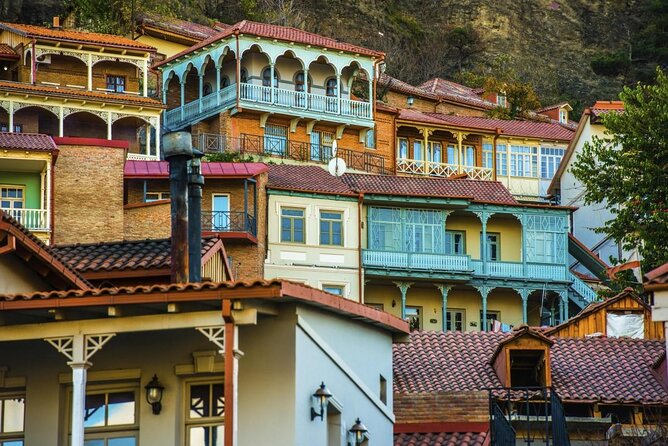
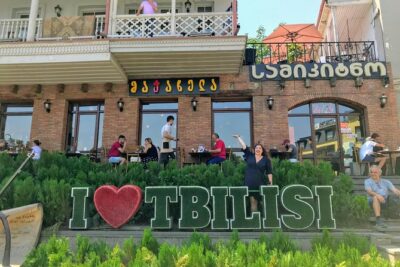
- Old Town Tbilisi: carved balconies and the Frida’s Cafe photo stop
- Cable car optional: choosing stairs up or the view from above
- Narikala Fortress, the big city-view moment
- Betlemi churches, Kartlis Deda, and Ateshgah: reading Georgia’s layers
- Liberty Square and the Russian Empire story you can see in plain sight
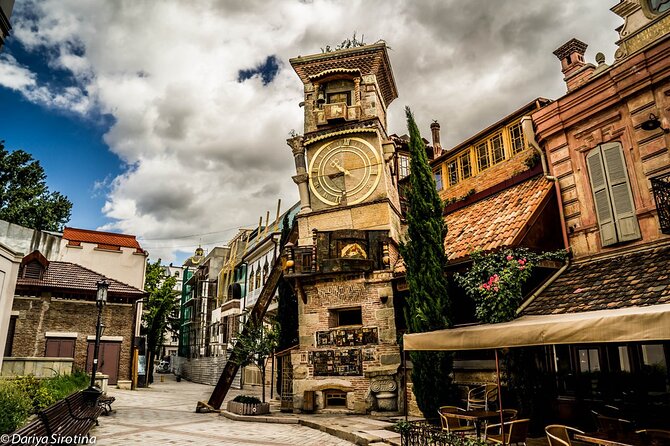
- Rezo Gabriadze Marionette Theater and its hourly clock-tower moment
- Price, pace, and who this private tour suits
- Should you book this Tbilisi walking city tour?
- FAQ
- How much does the Walking City Tour in Tbilisi cost?
- How long is the tour?
- What is included in the price?
- Is the Tbilisi Cable Car included?
- Where does the tour start and end?
- Is there free cancellation, and when do I need to cancel?
Key things you will like about this walking tour
- Two-part focus on Old City plus the 19th-century aristocratic district, so you see multiple sides of the city quickly
- Sulfur baths and Abanotubani early in the route, when the area feels most alive and atmospheric
- Fast, efficient stops across viewpoints, churches, and monuments, with plenty of context to connect the dots
- Narikala at the high point of the route, where the city view makes everything feel real
- Rezo Gabriadze Marionette Theater with its clock tower and hourly mini performance, a very Georgian pause
Other walks through the balconies and backstreets of old Tbilisi
A two-hour walking city tour that helps you get your bearings fast
If Tbilisi is your first stop on a Georgia trip, time is your real enemy. This tour is built around the idea that you should be able to say, after two hours, I know where I am, I know what I am looking at, and I know why it matters.
The pace is stop-and-go. Most stops are short, which is exactly what makes it useful. You do not get stuck debating with yourself about whether you should spend 45 minutes somewhere and lose the rest of the day. Instead, you get guided context in a tight sequence, so the city starts to make sense as a system, not a pile of sights.
It is also a private experience for just your group. That matters in a city where the best details are often small, like how a neighborhood name hints at an old way of life, or how a monument’s theme connects to political shifts you will see elsewhere.
And yes, it is religious and political and cultural all in one walk. Georgia has layers, and this route helps you read them without feeling like you are studying for a test.
Orbeliani Baths and Abanotubani’s sulfur-bath neighborhood
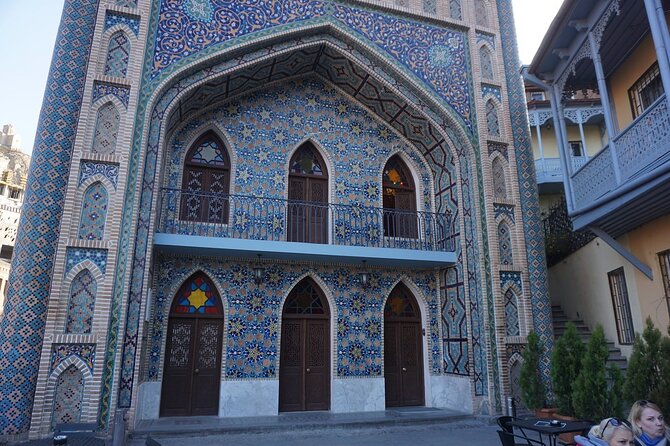
The walk starts at Orbeliani Baths, also known as the Pushkin or Dumas Bath. This is a smart opener because you immediately step into one of Tbilisi’s defining traditions: the bath culture tied to the local sulfur springs.
Right after that, you move into Abanotubani, the old sulfur-bath neighborhood with those classic oriental-style bathhouses. Even if you are not planning to soak, you will notice how the area works. It is not a generic tourist square. It feels lived-in, with locals using it as part of everyday rhythm.
What I like about placing these stops early is that it sets a mood. The smells and steam are not just atmosphere, they are part of the city’s identity. After you see this, the rest of the tour does not feel randomly scattered. You understand that Tbilisi grew around practical things too, not only royal and sacred buildings.
Practical tip: wear shoes you feel comfortable walking in. This part of Tbilisi can include uneven stone and slick patches, depending on weather.
Old Town Tbilisi: carved balconies and the Frida’s Cafe photo stop
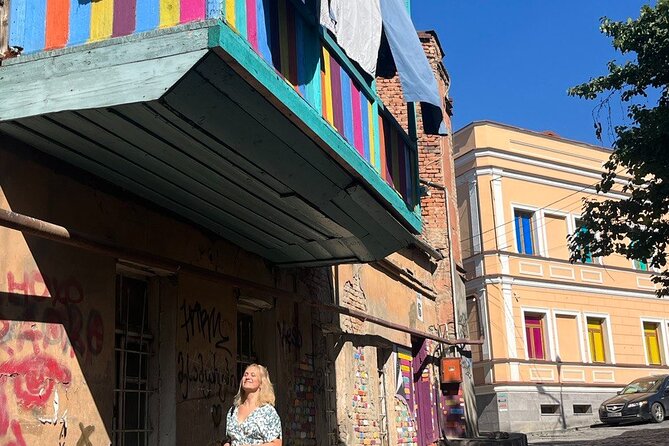
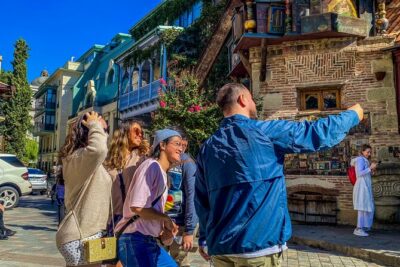
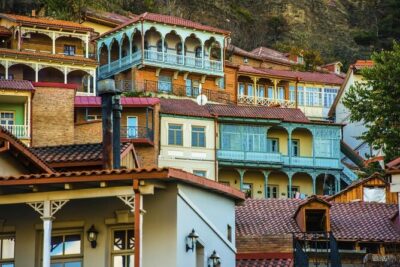
Next you head into the Old Town, the part of Tbilisi people talk about for a reason. Narrow lanes. Carved balconies. The kind of architecture that looks busy even when it is quiet.
Your guide brings you through with a lens on how the city’s European and Eastern influences blended over time. That context matters because Old Town can otherwise feel like an Instagram theme park. With the historical framing, you start noticing patterns instead of only collecting pictures.
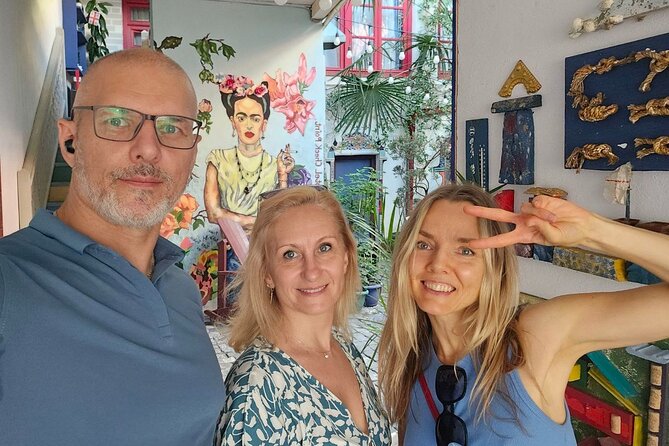
You will also be shown Frida’s Cafe and other Instagram-friendly photo spots. That is useful if you want something concrete to point your camera at, but I would treat it as a starting point, not the whole goal. The bigger win is learning where to look, the shapes, the street turns, the balcony details, so your photos look intentional even when the perfect shot is changing every few seconds.
A downside of a short Old Town stop is that you cannot leisurely drift wherever you want. If you love getting lost, you might want to add extra time after the tour, especially if you are staying nearby.
Cable car optional: choosing stairs up or the view from above
The tour gives you a choice at the Cable Car stop. You can use the Tbilisi Cable Car to go up and/or down from Narikala Fortress, or you can keep walking through the older streets and handle the route on foot.
This is a good design because it respects two different types of travelers. If you want to conserve energy for later, you take the cable car for part of the route. If you enjoy walking and you do not mind climbing, you skip it.
Budget note: the cable car costs extra, listed as 2.00EUR per person. The ticket is not included, so factor that in if you are trying to keep the trip math simple.
Weather note: in cloudy or rainy conditions, the climb route can be slippery. In clear weather, the walk is a pleasant lead-in because you gradually gain elevation and your view keeps improving. Either way, you get to Narikala Fortress, which is the payoff.
More on foot, mostly in Tbilisi and Kutaisi
- Tbilisi Walking Tour Including Cable Car and Traditional Bakery★ 5.0 · 1,310 reviews
- Tbilisi:Evening Walking & Talking Tour with Wine & Boat Ride★ 5.0 · 572 reviews
- Old Tbilisi Highlights walking tour with wine & 10 tastings★ 5.0 · 276 reviews
- Old Tbilisi Tour: Private Walking Tour With Wine Tasting★ 5.0 · 273 reviews
- Private Tbilisi Food Tour: 9 Tastings Walk in Bohemian District★ 5.0 · 227 reviews
Narikala Fortress, the big city-view moment
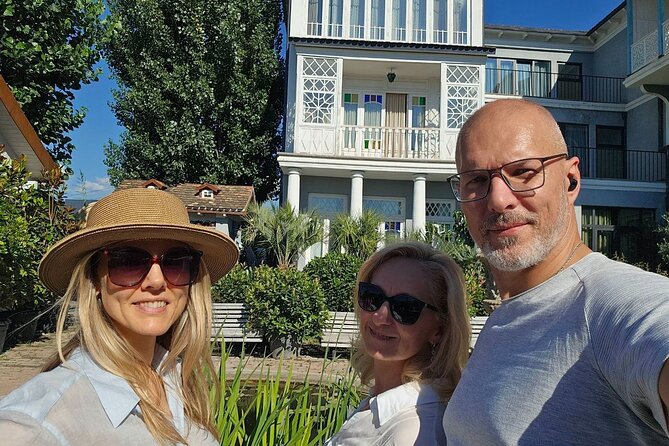
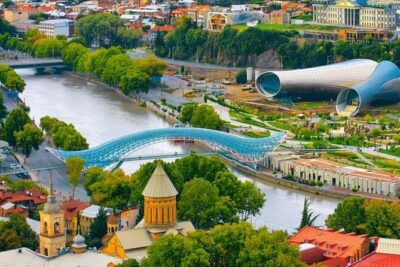
Narikala Fortress is the highlight, and it earns that title. This stop puts you at Tbilisi’s high point, from where you can see the city spread out in a way that makes all earlier stops feel connected.
Short stop length can be a problem in some tours, but here it works because the viewpoint is the point. In 10 minutes you can do the essentials: get your bearings, take a few photos, and watch how the city’s layout reveals itself from above.
I also appreciate that the tour gives you this high-view moment before finishing the rest of the cultural stops. Many walking tours scatter the viewpoints early and then never return. Here, Narikala acts like your mental compass for the remainder of the walk.
If you are prone to dizziness on heights, take it slow. You do not need to wander far from the main viewpoint to enjoy the perspective.
Betlemi churches, Kartlis Deda, and Ateshgah: reading Georgia’s layers
After the fortress, the tour moves into three stops that feel like a quick timeline of cultural identity.
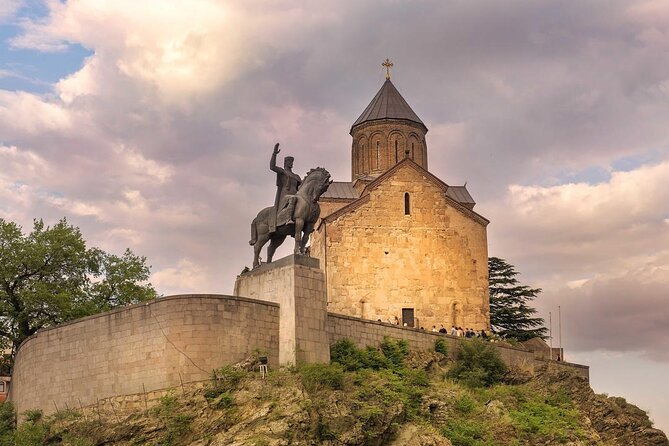
First, Lower and Upper Betlemi Churches, old Orthodox cathedrals. You get the kind of context that helps you understand when Georgia became a Christian country, and how faith shows up in the city’s physical geography.
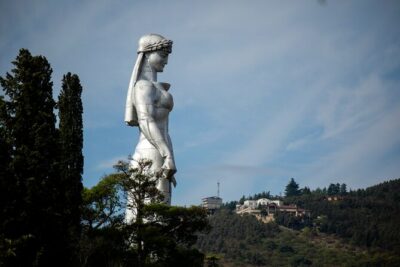
Next is Kartlis Deda, the giant monument of Mother of Georgia. This is the sort of landmark that is hard to ignore. It gives you a cultural symbol you can connect later to the rest of the country’s story.
Finally, you reach Ateshgah Zoroastrian Temple, tied to the trace of Persian empires. This stop is a reminder that Georgia’s story is not one straight line. It is many influences layered over time, with different beliefs and empires leaving visible marks.
This sequence works well because it is not only religious. It is political and historical too, told through monuments and sacred sites. You leave with a better sense of why different neighborhoods and landmarks coexist, and why Tbilisi feels like it has multiple passports stamped in its identity.
Possible drawback: the stops are short, so if you want deep on-site reading, you might wish for more time at one of these sites. The tour gives you the spark, not the full chapter.
Liberty Square and the Russian Empire story you can see in plain sight
Then comes Liberty Square, described as the best place to speak about the Russian Empire in Georgia. That is a bold framing, but it makes sense for this location, because the square is the kind of civic space where power and politics tend to be made visible.
This stop is where the tour shifts from sacred and symbolic to more political and historical interpretation. If you have been wondering why some parts of Tbilisi feel shaped by outside influence, this is where your guide helps you connect those dots.
I also like that the tour does not keep everything abstract. The guide points you toward what to notice so it is easier to follow when you continue exploring after the tour ends.
If you prefer quiet, contemplative stops, a square stop can feel busier. Still, it is brief enough that you get the context without losing too much energy.
Rezo Gabriadze Marionette Theater and its hourly clock-tower moment
The final major stop is Rezo Gabriadze Marionette Theater, with its clock tower and a small performance every hour.
This is a very Georgian kind of “small but memorable” ending. Instead of rushing to yet another landmark, you get a gentle cultural reset. Puppet theater can sound niche until you see how it fits into local life and timing, and then it feels natural.
The clock tower also gives you a practical way to enjoy the moment. Even if your timing is off slightly, you can still use the setting as a reference point for your next move around town.
The only catch with a theater stop is schedule pressure. If you are the type who hates missing anything, you might want to arrive with a bit of flexibility, since the performance happens on the hour.
Price, pace, and who this private tour suits
The price is $23.27 per person for a tour that runs about 2 hours. On paper, it might look simple. In practice, it has two value drivers.
First, the guide is included, and the format is private for your group. That means you can ask quick questions, and the context can actually land while you are standing in front of the sight.
Second, all the sights are free to enter. That is a big deal in Europe-style cities where admission fees can add up. Here, the only clearly identified paid extra is the Cable Car, at 2.00EUR per person.
The pace is moderate with a note toward moderate physical fitness. This tour is not described as strenuous, but it does include walking and an optional decision about going up from the fortress.
I think it suits three types of travelers:
- First-timers who want Tbilisi explained fast
- People who like history but want it tied to real places
- Travelers who prefer a guided route over planning five separate stops
If you are looking for a slow, linger-all-day experience, you will probably want to add your own time blocks for Old Town or for one of the sacred sites. This tour is the jump-start, not the entire drive.
Should you book this Tbilisi walking city tour?
Yes, if you want a guided route that helps you understand Tbilisi quickly without burning your whole day. The big win is the structure: baths, Old Town, the fortress view, layered sacred landmarks, then civic and cultural stops that tie into how the city got shaped.
I would especially book it if you like the idea of getting practical direction from a named guide like Alesia Aliakseichyk. The feedback you get from her is not only about monuments. It also points you toward Georgian cuisine decisions you might not make on your own.
Skip or reconsider if cable car cost or extra walking would stress you out, or if you need long time at each stop. This route is intentionally compact.
If your plan includes exploring the same areas later, this tour is a great first move. You will understand what to look for, and your second pass through the streets will feel way more rewarding.
FAQ
How much does the Walking City Tour in Tbilisi cost?
It costs $23.27 per person.
How long is the tour?
The tour lasts about 2 hours.
What is included in the price?
A certificated guide is included, and all the sights on the route are free to enter. You also receive a mobile ticket.
Is the Tbilisi Cable Car included?
No. The cable car is not included and costs 2.00EUR per person. You can also go up to the fortress by foot instead.
Where does the tour start and end?
It starts at Orbeliani Baths, 31 Abano St, Tbilisi, Georgia, and ends at Liberty Square, 2 Freedom Square, Tbilisi, Georgia. The end point can be adjusted.
Is there free cancellation, and when do I need to cancel?
Yes, free cancellation is available. You can cancel up to 24 hours in advance for a full refund.
More Georgian Tours We Have Read Closely


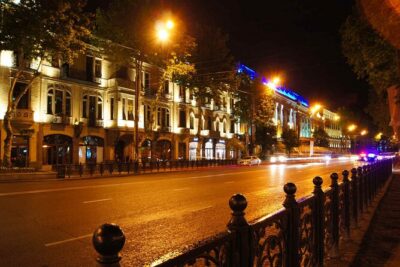
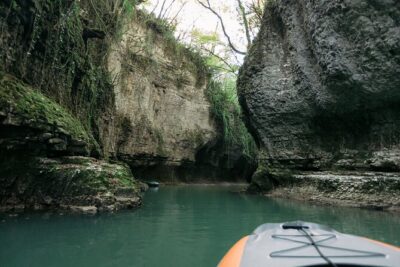
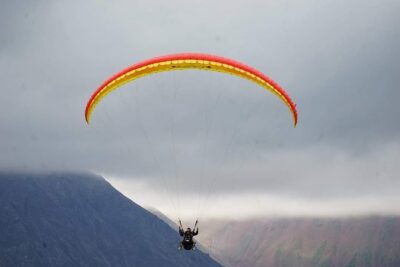
Everything Else Across the Caucasus
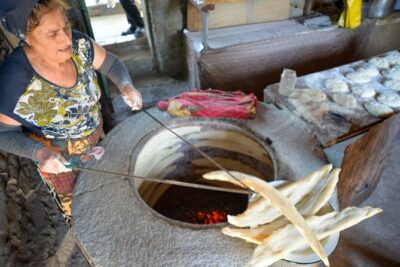

Old Tbilisi, Three More Ways
Other Georgian tours we have been through, from the Black Sea to the Kakheti vineyards
- Private Adorable City Tour of Tbilisi
★ 5.0 · 3 reviews - Tbilisi Airport to Gudauri, Bakuriani, Batumi, Tbilisi
★ 5.0 · 3 reviews - Private Wine Tour In Kakheti Region with 7 Wines and Lunch
★ 5.0 · 3 reviews - Two Capitals in One Day: Tbilisi and Mtskheta Combo Tour
★ 5.0 · 3 reviews - Private Effortless transfer from Tbilisi to Gudauri ski resort
★ 5.0 · 3 reviews - Tbilisi to Gudauri Stepantsminda Private Transfer
★ 5.0 · 3 reviews
Tbilisi Old Town Walks, compared.
 ★ 5.0Tbilisi Walking Tour Including Cable Car and Traditional BakeryFrom $191,310 reviews
 ★ 5.0Old Tbilisi Highlights walking tour with wine & 10 tastingsFrom $15276 reviews
 ★ 5.0Old Tbilisi Tour: Private Walking Tour With Wine TastingFrom $39273 reviews
 ★ 5.0Tbilisi Old Town Walking Tour with a Local GuideFrom $38168 reviews
 ★ 5.0Tbilisi old town & soviet heritage – Private driver-guided TourFrom $7783 reviews
 ★ 5.0Private Walking Tbilisi City Tour (Day Trip)From $5969 reviews
 ★ 5.0Old Town and Beyond: A Tbilisi Silk Road Feast with Culinary BackstreetsFrom $12562 reviews
 ★ 5.0Private Walking Tbilisi City TourFrom $4536 reviews
Browse the lists this tour appears in