
REVIEW · TBILISI OLD TOWN WALKS
Old Town and Beyond: A Tbilisi Silk Road Feast with Culinary Backstreets
Tbilisi tastes like a story you can chew. This 7 hour Old Town and Beyond food walk layers Georgian culture onto real dining stops, from an underground tea house to the khinkali maker near Parliament. I especially love how the route pairs landmark sights with food moments, and how the guide explains what you are eating, not just where. One thing to consider is that this is a heavy food day, so if you are picky about chicken, dumplings, or wine, you will want to plan ahead.
You start in the area around Waterfall Square at 10:00 am, and you finish near the wine spot at 15 Galaktion Tabidze St. The group stays small, with a maximum of 7 travelers, so you can ask questions without feeling like you are shouting over a crowd. The price, $125 per person, looks steep until you remember you get a long guided walk plus multiple tastings, with admissions listed as free for each stop.
If weather is bad, the day can be rescheduled or refunded, since the tour requires good conditions. Also, the route is walking-heavy, so wear shoes you trust.
In This Review
- Key highlights you will feel immediately
- Why this Tbilisi Silk Road feast works so well
- Getting started at Waterfall Square, and why the timing matters
- Old Town underground tea at the start, then church-side treats
- Freedom Square back streets and Georgia’s small-producer wine tasting
- Anchiskhati Basilica: seeing the oldest church while your day is still unfolding
- Shkmeruli at Rezo Gabriadze Marionette Theater, where chicken becomes culture
- Dumplings by Parliament: the khinkali master moment
- Metekhi Cathedral and the artisanal cheese tasting
- How much food you get, and whether you should book hungry
- Guides and the secret sauce: food stories that connect the dots
- Price and value: is $125 fair for a 7 hour food walk?
- Who should book this tour, and who might not love it
- Should you book Old Town and Beyond in Tbilisi?
- FAQ
- What is the duration of the tour?
- Where does the tour start and end?
- What time does it begin?
- How many people are in the group?
- What kinds of food and tastings should I expect?
- Is the tour suitable for most people?
- Can I get a full refund if I cancel?
- What if the weather is poor?
Key highlights you will feel immediately
- Small group (up to 7) keeps the pace calm and the food explanations personal
- Multiple tastings across Old Town, not just one or two token samples
- Landmark pairings: cathedrals like Anchiskhati and Metekhi show up alongside bites
- Wine tasting at the end focuses on small-scale producers, not mass brands
- Your food gets context through the guide’s Georgian history and restaurant stories
- A real feast structure that lets you skip breakfast or dinner on a normal day
Other walks through the balconies and backstreets of old Tbilisi
Why this Tbilisi Silk Road feast works so well
Tbilisi sits at a crossroads, and you can feel it in how people eat. This tour leans into that Silk Road idea by moving through neighborhoods where food culture grew alongside trade, religion, and shifting empires. The result is not just a food list. It is a guided way of understanding why certain flavors and traditions show up again and again.
I like that the day feels intentionally built. You do not just hop from one restaurant to another. You walk through the city, pass major sites, then connect what you are seeing to what you are tasting. When you are standing near a centuries-old church and then you are offered monastery-style treats, it makes the connection click fast.
The other reason this tour fits many travelers is simple: you eat a lot. One review described it as a must-do, with no need for breakfast or dinner. That matches the way the stops are arranged, from tea and sweets to savory chicken and dumplings, and then wine at the end.
Getting started at Waterfall Square, and why the timing matters
Meet at Waterfall Square, 21-23 Abano St at 10:00 am. That is a smart start time. Morning light makes Old Town easier to navigate, and you build momentum before the streets get busy. Also, starting at 10:00 means you can actually enjoy the whole day as one continuous meal plan.
Because the group is capped at 7 travelers, the guide can keep a steady rhythm. You spend enough time at each stop to taste and ask questions, but you are not stuck waiting around. The tour is listed as about 7 hours, and in practice that usually lands closer to a long afternoon than a short sample spree.
Logistics are fairly straightforward for a walking day. It is near public transportation, and the meeting and end points are clearly given. You will also have a mobile ticket, which helps on days when you do not want to worry about printing.
Old Town underground tea at the start, then church-side treats
Your first food moment is not in a polished tourist cafe. You begin in Old Town Tbilisi and visit an underground Azeri tea house. This is a great way to start because it sets the tone for the entire experience. Tea is comfort, but it also hints at cultural mixing, where shared tastes cross borders.
After that, you head to the Sioni Cathedral Church area and visit a church-run shop that sells products straight from Orthodox monasteries. That is more than a sales stop. The idea is that monasteries have long been associated with careful, artisanal production. You sample treats made in that spirit, so you get to taste something that feels connected to tradition instead of mass production.
Why this pair works: the tea house gives you a calm, atmospheric entry, and then the monastery shop brings you into a food-and-faith context. You get to see Georgian food culture as something people practice, not something that gets assembled for tourists.
One practical note: this is an early tasting stretch, so if you have sensitive stomachs, move at a comfortable pace and sip water along the way. Underground spaces and packed stops can feel warmer than the street.
Freedom Square back streets and Georgia’s small-producer wine tasting
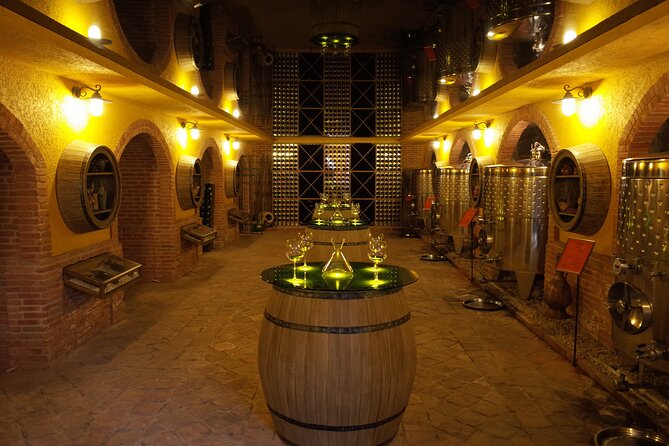
Near Freedom Square, you go into back streets to an unusual wine bar for a tasting of Georgia’s small-scale wine producers. This is a key moment in the day, even if you are not a heavy wine person.
The tour structure makes sense here. You have already had tea, sweets, and monastery-style flavors. Then, later in the walk, wine shows up as a palate shift. By the time you reach the wine stop, you are ready for the depth and variety that wine can offer.
It is also worth noting that the tasting is positioned as a finale. That is smart. You do not end the day with wine before you have enough food. You end after you have built a base with savory dishes, including chicken and dumplings, plus cheese tastings later.
If you avoid alcohol, I would still consider booking, but plan to speak with your guide about your preferences. The information provided does not spell out substitutions, so you will want clarity early.
- Day Trip to Kakheti Wine Region Including 9 Wine Tastings★ 5.0 · 2,774 reviews
- Highlights of Caucasus Mountains-Jinvali,Ananuri,Gudauri,Kazbegi(Group tour)★ 5.0 · 2,682 reviews
- Day Trip to Kazbegi and Gudauri★ 5.0 · 2,009 reviews
- Day Trip to Mtskheta Gori and Uplistsikhe★ 5.0 · 1,801 reviews
- Tbilisi Walking Tour Including Cable Car and Traditional Bakery★ 5.0 · 1,310 reviews
Anchiskhati Basilica: seeing the oldest church while your day is still unfolding
After the Freedom Square area, you move toward Anchiskhati Basilica, described as the oldest church in Tbilisi. Even if you are not a hardcore church architecture fan, this stop matters. It anchors the walking route in time.
The basilica is listed as a 45 minute stop area, but what you really gain is perspective. You are not just consuming food. You are moving through the city’s spiritual and cultural layers. That helps you understand why Georgian dining traditions are so tied to community, celebration, and hospitality.
This is one of those rare tour moments where the sight and the meal logic overlap. You are not waiting for the food to happen later. The architecture is part of how the day communicates Georgian identity.
Shkmeruli at Rezo Gabriadze Marionette Theater, where chicken becomes culture
Near the famous Rezo Gabriadze Marionette Theater, you sit down for shkmeruli, a sizzling chicken dish. For a lot of people, chicken sounds ordinary until you eat it the local way. Here, the name and the context matter, because shkmeruli is presented as a centerpiece of a Georgian feast.
This is also a nice emotional break. Theater landmarks tend to feel grounded and human-scale compared with large monuments. It makes the whole meal stop feel like a reset, not just another quick bite.
Two reasons this part lands well:
- You get a proper seated dish, not only snacks.
- The guide ties what you taste back to how Georgian meals work, which helps you understand the dish beyond flavor.
If you are sensitive to spicy or rich sauces, keep an eye on what your guide recommends and adjust based on your comfort. Sizzling dishes often come with bold seasoning.
Dumplings by Parliament: the khinkali master moment
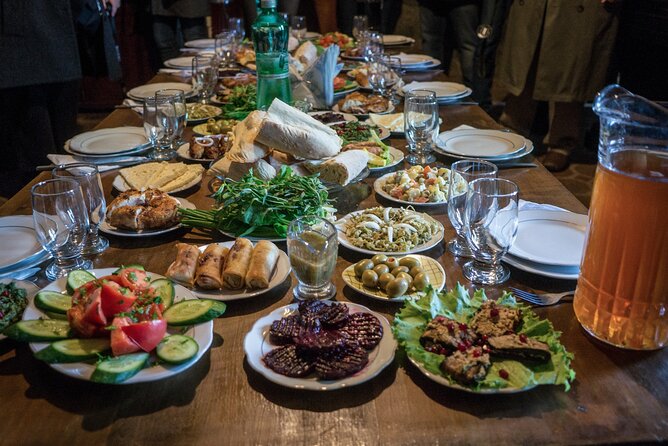
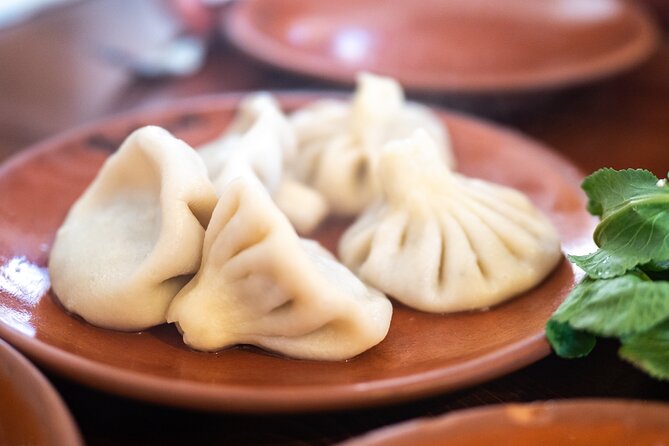
Near Parliament of Georgia, you meet a khinkali master and sample freshly made dumplings. Khinkali is one of those foods people think they already know. Then you have fresh dumplings made right there, and it changes your baseline.
This stop gives you two things: taste and technique. The dumplings are presented as part of Georgian feast culture, and the guide explains what makes them the real deal. One review highlighted learning from the guide not only about dishes, but also about Georgian history and culture, while still leaving guests fully satisfied by the end.
The timing is also right. After chicken, you are ready for something different. Dumplings bring a new texture and a different flavor structure, and they also make the day feel like a true meal progression.
Practical tip: dumplings are usually eaten by hand. It sounds obvious, but I see people get stressed about it. Just relax, eat slowly, and follow your guide’s lead. This is one of the best parts of the whole day because it feels like you are participating, not just watching.
Metekhi Cathedral and the artisanal cheese tasting
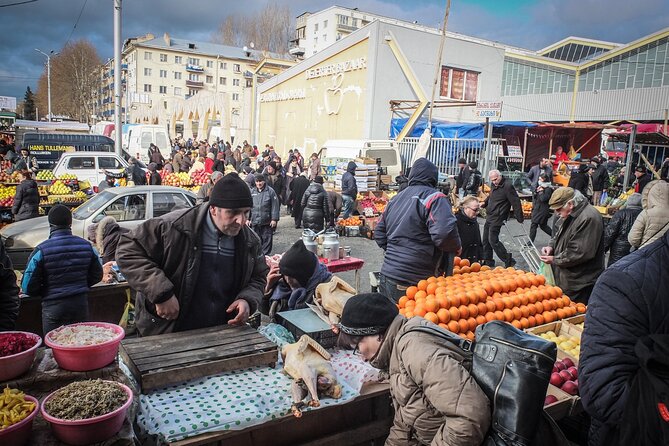
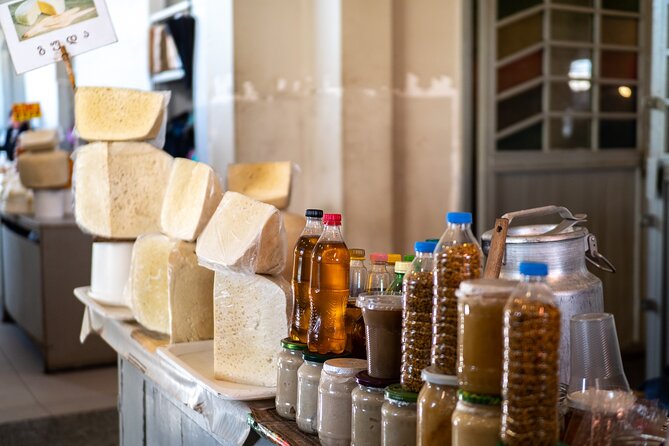
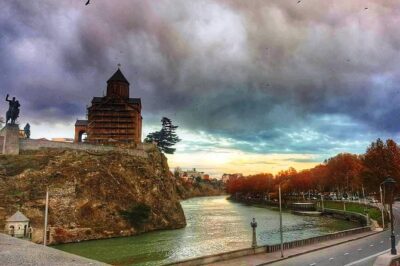
You pass by Metekhi Cathedral, another standout religious landmark, then head to an artisanal cheese shop for a tasting. This is a great late-day pairing because cheese helps reset your palate after heavier savory dishes.
The tour keeps the focus practical. You see a major cathedral, then you get an edible payoff nearby. If you like tasting flights, this will feel similar, but on a smaller, more personal scale.
Cheese also adds variety to the feast arc. Between chicken, dumplings, monastery treats, and wine, your taste buds could use a breather. Cheese works because it is both comforting and flavorful, and it helps you end the tour feeling like you have sampled Georgia in multiple forms, not only one type of food.
How much food you get, and whether you should book hungry
This is the kind of tour where you should plan like a foodie, not like a museum visitor. The format is built on repeated tastings and full-feeling meals. A review called out that you will not need breakfast or dinner, and that aligns with the number of stops and the types of dishes involved.
Here is what that means for you:
- You should expect to eat enough to replace a meal or two.
- You will likely want a light breakfast only if you are very sensitive to fasting.
- Bring water habits. Walking, tasting, and switching between sweet, savory, and wine is easier when you stay hydrated.
If you have dietary restrictions beyond usual preferences, the tour details provided do not list specific substitutions. The best move is to message the provider before booking so you can confirm how they handle your needs. The tour is small-group, so clear communication matters.
Guides and the secret sauce: food stories that connect the dots
One of the most praised parts of this experience is the guide. Reviews mention guides like Crystal, Kristo, and Maka, and the common thread is clear: they connect dishes to Georgian history and restaurant culture, so you end the day understanding the why behind the what.
You can feel the difference when a guide talks like they actually care. Instead of only naming dishes, they explain what makes them Georgian and what to notice. One review specifically praised a guide for knowing both the dishes and the different varieties, plus offering history that helped the experience land.
That is why the tour feels more valuable than a normal tasting walk. You are not just sampling. You are learning how to read a meal in Georgia.
If you like conversation and you enjoy short lessons you can taste immediately, this is your sweet spot.
Price and value: is $125 fair for a 7 hour food walk?
$125 per person sounds like a splurge until you price it out like a practical trip. For that money, you get a 7 hour guided walk, a small group, and multiple food stops plus a wine tasting toward the end. Admissions are listed as free for each stop, so a chunk of the day’s cost is going into guide time and tastings.
Think of it this way: you are paying for direction and access. The underground tea house, the church-run shop, the specialized wine tasting, and the khinkali master stop are exactly the kinds of places that are harder to find alone without the local context. Even when the places are public, knowing what to order and why takes time, and time is money when you are only in town for a few days.
If you are the type who likes to plan a day around food and walk between neighborhood stops, this is strong value. If you want a light tasting with minimal walking, you might find it too much.
Who should book this tour, and who might not love it
You should book if:
- You want real Georgian flavors in multiple forms, not just one signature dish
- You like history but prefer learning it through food culture
- You want a small group experience with time to ask questions
- You are okay with a long walk and sitting for a couple of main stops
You might want to reconsider if:
- You want a low-key snack tour rather than a full food day
- You have strict dietary limitations not mentioned in the tour data
- You are not comfortable with wine tasting at the end, since it is part of the flow
Should you book Old Town and Beyond in Tbilisi?
I think this is a great pick if you want a single day that makes Tbilisi feel connected, not random. The route balances landmarks like Anchiskhati Basilica and Metekhi Cathedral with food moments that explain Georgian dining culture as a lived tradition. The small-group size and guide quality, highlighted by guides such as Crystal, Kristo, and Maka, make it feel like a conversation guided by someone who actually understands what you are eating.
My call: book it if you can walk for about 7 hours and you like the idea of a meal that builds step by step from tea and monastery treats to shkmeruli, khinkali, cheese, and then wine.
FAQ
What is the duration of the tour?
The tour is listed as about 7 hours.
Where does the tour start and end?
It starts at Waterfall Square, 21-23 Abano St, Tbilisi and ends at ღvino Underground, 15 Galaktion Tabidze St, Tbilisi.
What time does it begin?
The start time is 10:00 am.
How many people are in the group?
The tour has a maximum of 7 travelers, which keeps it small-group.
What kinds of food and tastings should I expect?
The tour includes tastings such as treats from a church-run monastery shop, a wine tasting, shkmeruli (sizzling chicken), khinkali (fresh dumplings), and an artisanal cheese tasting, plus an underground Azeri tea house stop.
Is the tour suitable for most people?
Most travelers can participate. Service animals are allowed, and it is near public transportation.
Can I get a full refund if I cancel?
Yes. You can cancel for a full refund up to 24 hours before the experience’s start time.
What if the weather is poor?
The experience requires good weather. If it is canceled due to poor weather, you will be offered a different date or a full refund.
Everything Else Across the Caucasus


Old Tbilisi, Three More Ways
Other Georgian tours we have been through, from the Black Sea to the Kakheti vineyards
- Private Adorable City Tour of Tbilisi
★ 5.0 · 3 reviews - Tbilisi Airport to Gudauri, Bakuriani, Batumi, Tbilisi
★ 5.0 · 3 reviews - Private Wine Tour In Kakheti Region with 7 Wines and Lunch
★ 5.0 · 3 reviews - Two Capitals in One Day: Tbilisi and Mtskheta Combo Tour
★ 5.0 · 3 reviews - Private Effortless transfer from Tbilisi to Gudauri ski resort
★ 5.0 · 3 reviews - Tbilisi to Gudauri Stepantsminda Private Transfer
★ 5.0 · 3 reviews
Tbilisi Old Town Walks, compared.
 ★ 5.0Tbilisi Walking Tour Including Cable Car and Traditional BakeryFrom $191,310 reviews
 ★ 5.0Old Tbilisi Highlights walking tour with wine & 10 tastingsFrom $15276 reviews
 ★ 5.0Old Tbilisi Tour: Private Walking Tour With Wine TastingFrom $39273 reviews
 ★ 5.0Tbilisi Old Town Walking Tour with a Local GuideFrom $38168 reviews
 ★ 5.0Tbilisi old town & soviet heritage – Private driver-guided TourFrom $7783 reviews
 ★ 5.0Private Walking Tbilisi City Tour (Day Trip)From $5969 reviews
 ★ 5.0Private Walking Tbilisi City TourFrom $4536 reviews
 ★ 5.0Tbilisi Explorer: Essential Walking Tour for First-TimersFrom $4122 reviews
Browse the lists this tour appears in