
REVIEW · TBILISI OLD TOWN WALKS
Classic Tbilisi Walking Tour
Fortress views start with a simple walk. This classic Tbilisi route strings together Freedom Square street life, church-side history, and a Narikhala Fortress hilltop payoff without feeling rushed. You’ll move through iconic spots like Meidan Square and the modern Bridge of Peace, guided by someone who keeps the story flowing.
What I like most is the balance of atmosphere and meaning. You get the feel of central Tbilisi in places such as Freedom Square and Meidan Square, while also learning how Soviet-era politics shaped parts of the city’s look and mindset. I also really value the included cable car ride, because it turns a steep climb into a quick, fun transition to a viewpoint you will actually remember.
One thing to consider: you’ll be doing real walking, including uphill sections toward the Lower and Upper Betlemi Churches, and churches have a clear dress expectation. If you are not ready for a head scarf and long trousers for men, plan to bring something that fits the rules.
In This Review
- Key highlights worth your time
- Freedom Square to Sololaki, the easy beginning
- Lado Gudiashvili Square and Kldisubani connections
- Betlemi Churches and the Ateshgah Fire Temple remains
- Bridge of Peace, a modern pause over the Mtkvari
- Narikala Fortress by cable car, the view payoff
- Abanotubani and the end near Falcon and Pheasant
- Price and logistics, what you get for $134
- Pacing, walking effort, and comfort tips
- Who this tour suits best, and who might want another plan
- A guide makes the difference, and this one gets praised
- Should you book the Classic Tbilisi Walking Tour?
Key highlights worth your time
- Freedom Square start at the Chronograph2 store, with a smooth lead-in through Sololaki streets
- Asatiani Street to Kldisubani for a strong sense of how neighborhoods connect
- Lower and Upper Betlemi Churches plus the ancient Ateshgah Fire Temple remains from the 5th century
- Bridge of Peace views over the Mtkvari River, with modern glass and steel photography angles
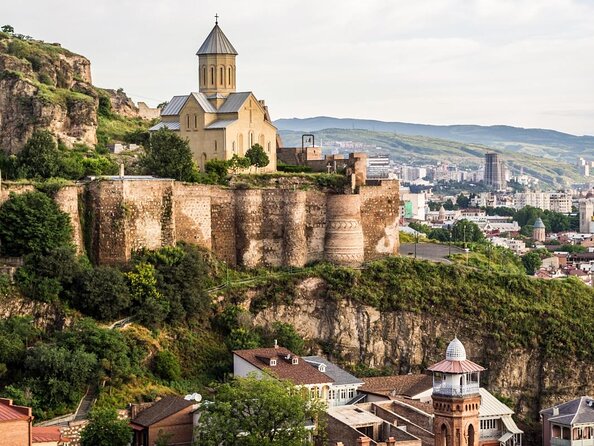
- Included aerial cable car to Narikala Fortress for hilltop city panoramas
- Abanotubani finish near the Monument Fountain Falcon and Pheasant, right where the sulfur bath area starts
Other walks through the balconies and backstreets of old Tbilisi
Freedom Square to Sololaki, the easy beginning
The tour starts at 10:00 am near the old city hall, at the Chronograph2 store in Freedom Square. That location matters. You are dropped into the center of things right away, so you can orient yourself early, then build on what you learn as the day unfolds.
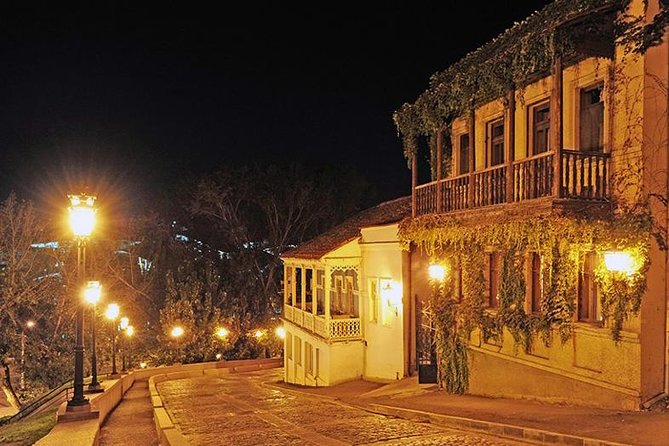
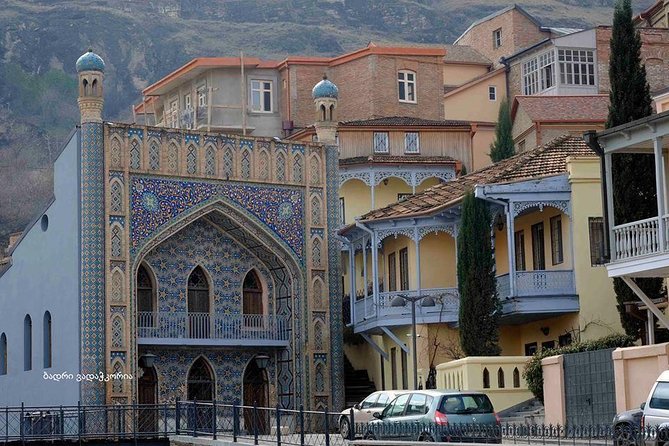
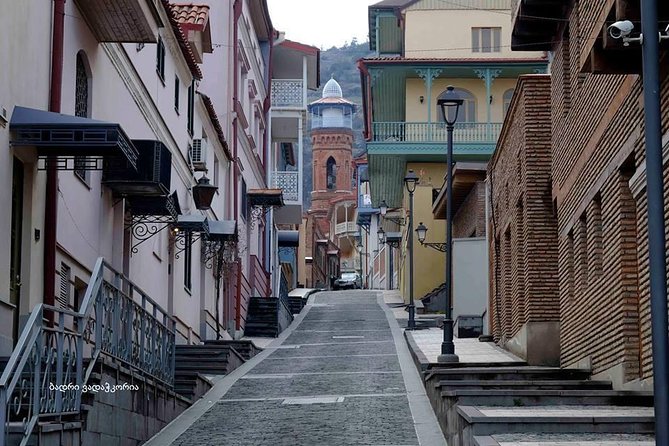
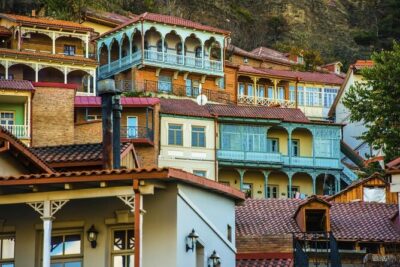
From there, you walk along recently renovated Sololaki streets. Even if you have only a short time in Tbilisi, this is the part that helps the city click. Look up at balconies and building details, notice how pedestrians move through the wide square edges, and get a feel for the rhythm of street life.
It’s also a practical starting point for photos. Freedom Square is bright and open, and you’ll likely see a mix of locals and visitors moving toward side streets. That sets the tone for what comes next.
If you’re the type who likes a guided “map in motion,” this opening works well, because it’s not just a landmark stamp. It’s your launch pad into the walking districts around the historic core.
Lado Gudiashvili Square and Kldisubani connections
Next you reach Lado Gudiashvili Square, described as newly renovated. This stop gives you a fresh, organized view of the area, and it’s a nice contrast after the broad Freedom Square space.
From here, you follow Asatiani Street toward the Kldisubani district. This is where the tour shifts from big public squares to smaller neighborhood textures. You’ll see how streets shape daily movement, and you’ll start picking up the “why” behind what you’re seeing.
A highlight of this overall tour is that you learn Tbilisi’s Soviet-era history in context, not as a random lecture. Walking between places helps. Instead of memorizing dates, you notice how political eras can influence architecture, city planning, and even the tone of certain streets.
If your goal is to understand more than just monuments, this section is a good sign. The routing is designed to connect squares to lived-in corners, so the story stays grounded in real streets, not just big-name sights.
Betlemi Churches and the Ateshgah Fire Temple remains
After the neighborhood streets, the route turns toward the Lower and Upper Betlemi Churches. This is a pedestrian uphill section, and it’s one of the most scenic parts of the tour for pure views.
What I think makes this stop special is the layered history. The churches connect to the remains of a Zoroastrian Ateshgah Fire Temple from the 5th century. Even without expert-level background, you can feel how places were repurposed over time, with one culture’s sacred space becoming another’s landmark landscape.
The route is designed for walking and looking. Plan to slow down and take in the surrounding views as you move upward. On a good-weather day, the outlook angle can make the effort feel worth it right away.
Dress code matters here. Churches require women to wear a head scarf and dress. Men should wear long trousers. If you arrive with too-short pants or no scarf, you may have to improvise on-site, so I’d rather you bring something light you can fold in your day bag.
This stop is also a good “breather moment” from modern street scenes, because it changes the pace from city bustle to spiritual geography.
Bridge of Peace, a modern pause over the Mtkvari
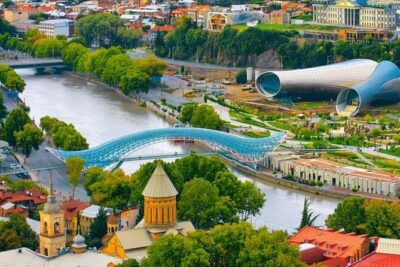
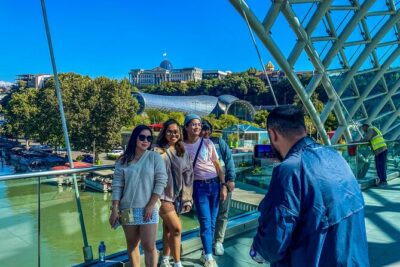
Then comes a contemporary contrast: the Bridge of Peace. It’s a pedestrian bridge in glass and steel, shaped like a bow, crossing over the Mtkvari River.
This stop is useful even if you’re not a bridge fanatic. It acts like a reset button. You’re moving from hillside churches and historic remnants toward the fortress, and this bridge gives you open sight lines across the river corridor.
Because it’s modern and designed for pedestrians, it also tends to be a natural photo spot. You can frame the river with the bridge structure, then look back toward the city angles you saw earlier. The shape helps, and the glass-and-steel look makes it different from most older Tbilisi architecture.
Timing here is about staying relaxed. You’re not stuck for hours. The stop is short and focused, around 30 minutes, which makes it easy to keep energy for the cable car climb that follows.
If it’s windy or chilly, bundle up. Bridges can feel colder than nearby streets, especially if you’re standing still for photos.
More on foot, mostly in Tbilisi and Kutaisi
- Tbilisi Walking Tour Including Cable Car and Traditional Bakery★ 5.0 · 1,310 reviews
- Tbilisi:Evening Walking & Talking Tour with Wine & Boat Ride★ 5.0 · 572 reviews
- Old Tbilisi Highlights walking tour with wine & 10 tastings★ 5.0 · 276 reviews
- Old Tbilisi Tour: Private Walking Tour With Wine Tasting★ 5.0 · 273 reviews
- Private Tbilisi Food Tour: 9 Tastings Walk in Bohemian District★ 5.0 · 227 reviews
Narikala Fortress by cable car, the view payoff
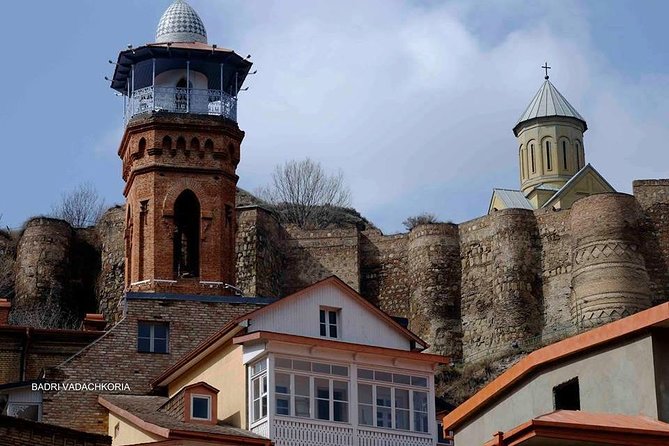
The biggest “wow” moment is next: you reach the aerial cable car station to go up to Narikala Fortress. This ride is included, which is a key part of the tour’s value.
The fortress dates back to the 4th century, and you can feel the age in the way the space is positioned on the hill. You’re not just walking through a museum-like site. You’re standing in a strategic viewpoint that was built to watch and defend.
Most of the magic here is the city perspective. Once you’re up, it’s a chance to admire Tbilisi from above, and that helps everything you walked through earlier make sense. Squares, streets, river bends, and the city’s layers start to align visually.
The fortress time is about 1 hour. That’s enough to wander at an unhurried pace, take photos, and still come down with the tour group without feeling frantic. If you like to linger, you’ll appreciate that you’re not rushed away after a few minutes.
Practical tip: wear shoes with grip. You’ll likely be on uneven surfaces. And bring something for the weather, because hilltop areas can feel exposed.
This is the stop that often justifies booking a guided tour. Self-guided exploration is possible, but the cable car timing and the guide context make it smoother.
Abanotubani and the end near Falcon and Pheasant
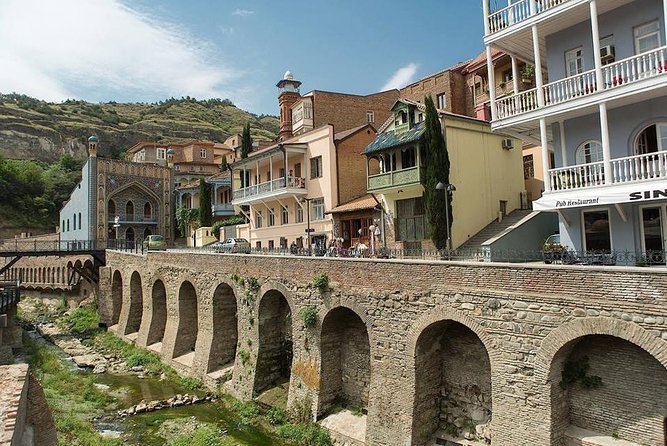
After Narikala Fortress, you head down toward Abanotubani, the sulfur bathhouse area. The tour also connects you to Meidan Square and surrounding areas as you descend.
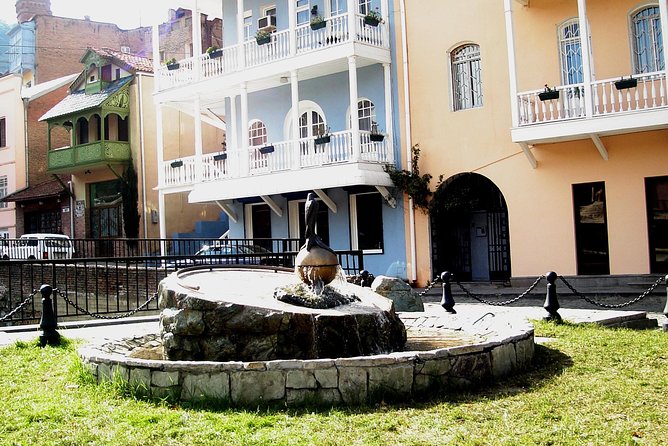
This part is all about finishing in a place that feels alive. Abanotubani is one of those Tbilisi zones where the atmosphere is tied to tradition, daily rituals, and the city’s older identity. You end near the Monument Fountain Falcon and Pheasant, so you can easily re-enter the neighborhood on your own afterward.
The tour wrap-up time is about 30 minutes. That’s long enough to look around and orient yourself, but short enough that you’re not exhausted. It’s a helpful ending point if you want to continue with dinner nearby or add your own sightseeing stops.
If your plan includes returning to Abanotubani later, this ending arrangement makes sense. You’ll have a clear reference point for navigating streets without needing to figure everything out from scratch.
Price and logistics, what you get for $134
At $134 per person for about 3 hours (approx.), the value depends on what you want in your first days. For me, the included professional guide and the aerial cable car ride are the two big cost reducers. You’re paying for guided flow plus transportation you don’t have to organize yourself.
It’s not an all-day pass. This is not a slow, sprawling day tour. It’s a compact overview that hits major areas: Freedom Square, church ruins, Bridge of Peace, Narikala Fortress, and Abanotubani. That structure helps if you’re on a short weekend and want to cover the essentials without building a complicated route.
A few things are not included. Tips are extra, lunch is not provided, and there’s no hotel pickup or drop-off. Service by vehicle to and from attractions is also not included, so you’ll want to plan how you get to the start point in Freedom Square and back from the Abanotubani finish.
One more small detail that affects your experience: the maximum group size is listed as up to 99. That doesn’t mean you’ll be in a giant crowd, but it’s a reminder that this is a popular, organized tour. If you like quiet, choose your photo pauses carefully.
Pacing, walking effort, and comfort tips
This tour is hands-on, not sit-and-watch. You’ll spend the time moving between sights on foot, including stairs and uphill sections toward the churches. The bridge stop is easy compared to the hill parts, but you still remain on your feet most of the route.
The good news is that it’s designed to be realistic. The tour is offered in English, and “most travelers can participate.” It runs in all weather conditions, so your best move is to dress for rain or heat depending on the season.
Bring a simple church-ready setup. Women are expected to wear a head scarf and dress. Men should wear long trousers. If you forget, you might still be able to participate, but the experience will be less smooth.
Also, this is a 10:00 am start. If you like late mornings, this might be the one downside. Start early enough to enjoy the day, not to rush it.
Finally, the tour uses a mobile ticket. If you prefer offline access, save the ticket on your phone before you go, just in case connectivity gets spotty.
Who this tour suits best, and who might want another plan
I think this tour is ideal for first-timers in Tbilisi who want a guided overview with real context. You’ll get a sense of how different eras sit side by side, from church-era religious remnants to modern river-crossing design, plus an explanation of Soviet-era history along the way.
It also fits travelers who like cable car moments. Instead of turning everything into a climb, you get a straightforward ride up to Narikala, then a controlled amount of time at the fortress.
You might consider a different style of tour if you hate walking uphill or you want a more “food and wine focused” experience. Here’s the nuance: I saw one detailed positive note about Georgian wine tasting and buying bottles to take home, but wine tasting is not listed among the stated inclusions. If that’s a must, ask the operator when you book.
And if you dislike group travel, treat this as a structured city walk with a guide, not a private wandering session. The guide experience seems to matter a lot, and quality varies, but the structure is built for groups.
A guide makes the difference, and this one gets praised
One of the strongest signals from the experiences you shared with me is the guide quality. In particular, a guide named Eka is praised as friendly, engaging, funny, and flexible to match preferences. That kind of guide energy can turn a “good list of stops” into a tour you actually enjoy.
Even if you’re not looking for a comedian on vacation, this matters. A strong guide helps you read the city. They can explain why one square feels different from another, what Soviet-era references mean in practice, and how to spend your fortress time without getting lost.
So if you book, arrive ready to talk. Ask questions. The more you engage, the more you’ll get out of the story thread connecting squares, churches, bridge design, and the fortress viewpoint.
Should you book the Classic Tbilisi Walking Tour?
Yes, I’d book it if you want a compact, guided way to connect the dots in central Tbilisi. The included cable car ride plus a 3-hour walking format makes it a good value choice, especially on a first weekend when you need orientation and context fast.
I’d think twice if you are sensitive to uphill walking, hate following dress rules for churches, or want a longer, unstructured day. If you have limited mobility or hate stairs, you might prefer a different approach that reduces walking.
If you can handle a few hours on your feet and you like guided storytelling, this tour gives you a smart path through the city’s key zones, with that Narikala view sitting at the center of the experience.
More Georgian Tours We Have Read Closely


Everything Else Across the Caucasus

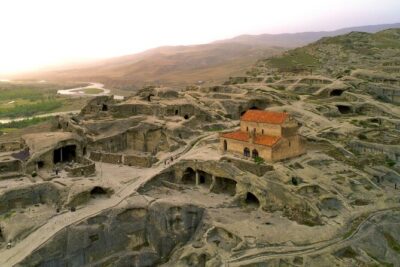
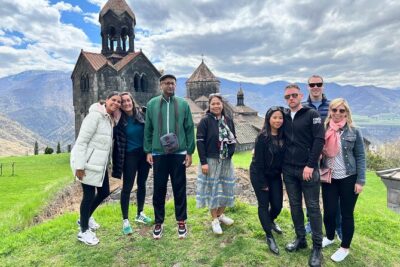
Old Tbilisi, Three More Ways
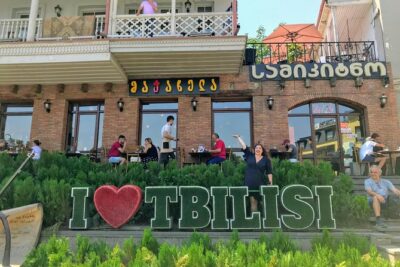
Other Georgian tours we have been through, from the Black Sea to the Kakheti vineyards
- Private Adorable City Tour of Tbilisi
★ 5.0 · 3 reviews - Tbilisi Airport to Gudauri, Bakuriani, Batumi, Tbilisi
★ 5.0 · 3 reviews - Private Wine Tour In Kakheti Region with 7 Wines and Lunch
★ 5.0 · 3 reviews - Two Capitals in One Day: Tbilisi and Mtskheta Combo Tour
★ 5.0 · 3 reviews - Private Effortless transfer from Tbilisi to Gudauri ski resort
★ 5.0 · 3 reviews - Tbilisi to Gudauri Stepantsminda Private Transfer
★ 5.0 · 3 reviews
Tbilisi Old Town Walks, compared.
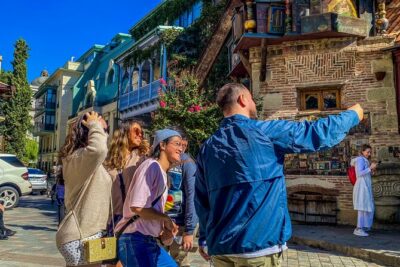 ★ 5.0Tbilisi Walking Tour Including Cable Car and Traditional BakeryFrom $191,310 reviews
 ★ 5.0Old Tbilisi Highlights walking tour with wine & 10 tastingsFrom $15276 reviews
 ★ 5.0Old Tbilisi Tour: Private Walking Tour With Wine TastingFrom $39273 reviews
 ★ 5.0Tbilisi Old Town Walking Tour with a Local GuideFrom $38168 reviews
 ★ 5.0Tbilisi old town & soviet heritage – Private driver-guided TourFrom $7783 reviews
 ★ 5.0Private Walking Tbilisi City Tour (Day Trip)From $5969 reviews
 ★ 5.0Old Town and Beyond: A Tbilisi Silk Road Feast with Culinary BackstreetsFrom $12562 reviews
 ★ 5.0Private Walking Tbilisi City TourFrom $4536 reviews
Browse the lists this tour appears in