
REVIEW · MTSKHETA & JVARI MONASTERY
Mtskheta,Jvari,Gori,Uplistikhe(private tour)
Stone cities and king-making churches, in one day. You get a door-to-door start from Tbilisi at 9:00 am, then head to Uplistsikhe and its rock-cut, centuries-deep mix of cultures and beliefs, before finishing with UNESCO-listed sights in Mtskheta. The day stitches together ancient life, Soviet-era memory, and big Georgian Orthodox landmarks without you having to figure out logistics.
Two things I especially like are the air-conditioned vehicle with bottled water, and the way a professional English guide helps you understand what you are actually looking at. This is a private format, so you can move at a pace that feels right instead of getting swept along with strangers. You do spend real time at each stop, not just quick photo breaks.
The main consideration is budget and expectations around meals and entry costs. Lunch is not included, and while some sights are listed as free, others are not, so you’ll want to plan for entrance fees and any food you choose in Gori.
In This Review
- Key highlights you’ll care about
- 9:00 AM pickup, private comfort, and how the day is paced
- Uplistsikhe Cave Town: rock-cut life and layered faiths
- Gori: lunch time in the city, with or without the museum
- Jvari Monastery: the Cross above the river confluence
- Svetitskhoveli Cathedral in Mtskheta: living pillar, kings, and burial traditions
- Price and value: what $125 per person buys you
- Who this tour fits best, and who may want a different plan
- Small practical tips so your day goes smoothly
- Should you book this Mtskheta, Jvari, Gori, Uplistsikhe private tour?
- FAQ
- What time does the tour start?
- How long is the tour?
- Is this a private tour?
- Is the tour guide available in English?
- Does the tour include hotel pickup and drop-off?
- Are entrance fees included?
- Is lunch included?
- Can I cancel for a full refund?
Key highlights you’ll care about
- Uplistsikhe cave town with rock-cut spaces spanning the Early Iron Age through the Late Middle Ages
- UNESCO Mtskheta setting with dramatic views at the river confluence from Jvari Monastery
- Svetitskhoveli Cathedral tied to Georgian coronations and the Living Pillar tradition
- Gori break for local time plus the option of visiting the Stalin Museum
- Private, English-guided day with pickup and drop-off from your place in Tbilisi
- Plan for lunch and entrance fees since they are not included overall
More of Mtskheta and the Jvari hill above the confluence
9:00 AM pickup, private comfort, and how the day is paced
This tour starts early, with pickup from your accommodation at 9:00 am. That matters more than it sounds. The sights you’re going to are spread out, and leaving on time gives you breathing room to see things properly, not rush through them.
You ride in an air-conditioned vehicle, and you have bottled water during the outing. For a long day, that’s practical. It also means you can focus on the stops rather than worrying about where to buy refreshments or how to get from one site to the next.
The day runs about 10 hours. Timing is built into the sequence, with set time blocks at each main stop. Because it’s private, your guide can answer questions along the way, which is the difference between seeing a place and understanding it.
One small planning point: the schedule includes places where admission is listed as free, and others where it is not. So, as you think about the total cost of the day, keep some cash or card space set aside for entries and any meals you decide to eat.
Uplistsikhe Cave Town: rock-cut life and layered faiths
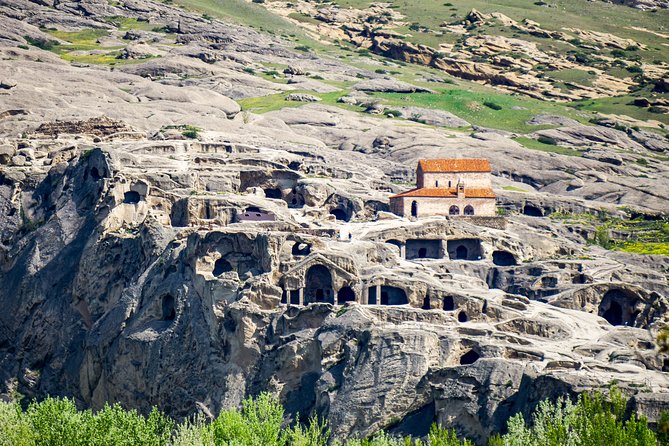
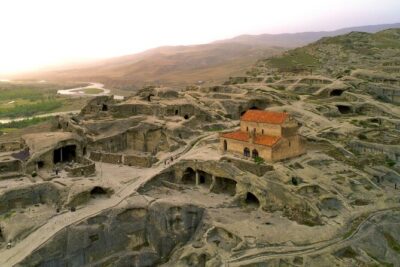
Uplistsikhe is the kind of place that makes history feel physical. You arrive for about 1 hour 30 minutes, and the main experience is walking through an ancient rock-hewn town set on the left bank of the Mtkvari River.
What makes Uplistsikhe special is the way it shows time in layers. The structures span the Early Iron Age to the Late Middle Ages, and the site is known for a unique mix of rock-cut cultures linked to Anatolia and Iran. You also see the blend of pagan and Christian architecture, which helps explain how cultures and beliefs changed on the ground instead of only in books.
Practical expectations: this is not a museum with everything behind glass. It’s rock-cut space you explore on foot. Wear shoes that are comfortable on uneven surfaces, and bring a light layer if the air feels cooler than you expect on the day.
A good move during your time here is to slow down in places that feel like “rooms” carved into the stone. Even if you’re not reading every sign, you’ll start noticing how spaces were used, and how the town’s layout connects to the surrounding landscape.
If you like places where you can picture daily life, Uplistsikhe is a highlight. If you are short on stamina for walking, you’ll still be fine with the time allotted, but you should pace yourself and take breaks.
Gori: lunch time in the city, with or without the museum
After Uplistsikhe, you head to Gori and get about 1 hour 30 minutes. This part of the day is built around a local-food experience in the city, plus an optional option to explore more depending on your interests.
Here’s what you need to know about meals: lunch is not included. That means you should think of your time in Gori as a chance to eat somewhere that feels local and convenient, not as a fully covered family-style lunch.
You still get value from this stop even if you don’t eat exactly as expected. Gori is not just a waypoint. It’s a town with long settlement depth, and you can feel that in the way the area has been used for centuries.
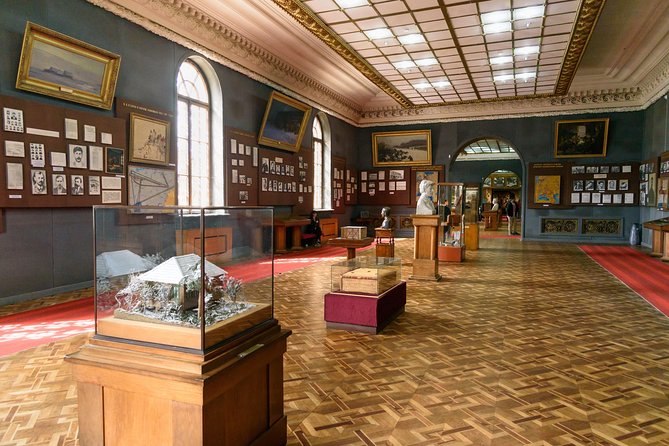
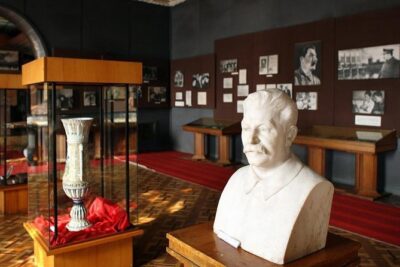
The tour also includes a plan for the Stalin Museum as optional, with about 1 hour. If you choose to go, you’ll see things tied to Joseph Stalin’s life and the Soviet story of the man born in Gori. The museum setting keeps Soviet-era characteristics, including Stalin’s original house and his railway carriage.
If you prefer to skip the museum, you still have some time to explore Gori on your own within that time block. The region is said to have evidence of population going back to the early Bronze Age, and the town’s fortress is described as being in use as early as the 7th century. You don’t need to be a scholar to appreciate that the place has been contested and reused, because it shows up in the town’s structure and atmosphere.
My practical advice for you: decide early whether you want the Stalin Museum. If you care about that era, the dedicated museum time is worth it. If not, use the hour for a relaxed walk, a coffee, and a slower lunch, so the day doesn’t feel like a series of tight checklists.
Jvari Monastery: the Cross above the river confluence
Next comes Jvari Church, also known as Jvari Monastery. You’ll arrive for about 30 minutes, and that short stop is packed with meaning.
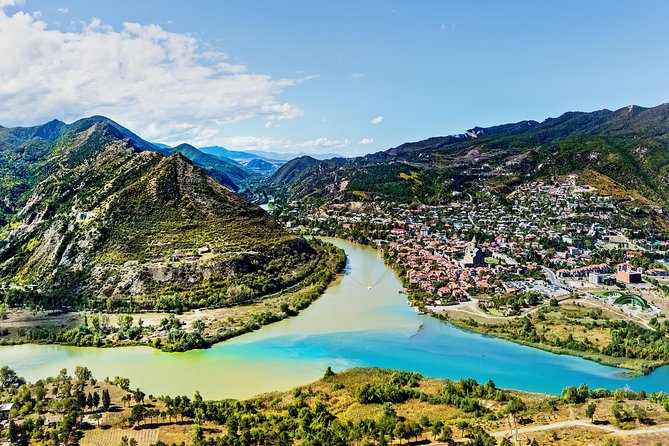
Jvari is a 6th-century Georgian Orthodox monastery near Mtskheta. The name is often translated as the Monastery of the Cross, and it’s part of the historic Mtskheta structures recognized as UNESCO World Heritage.
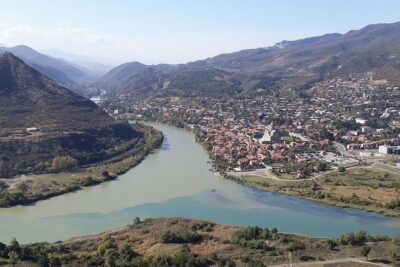
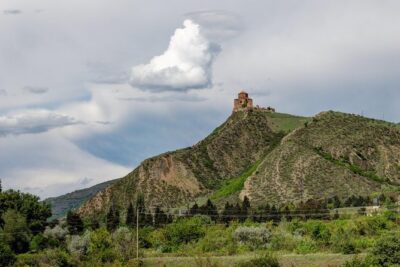
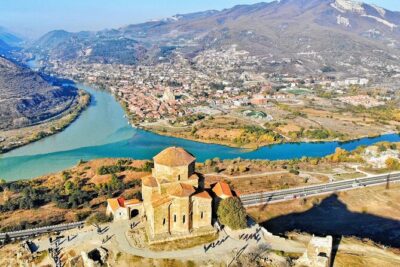
The best part is the location. Jvari stands on a rocky mountaintop at the confluence of the Mtkvari and Aragvi rivers, overlooking Mtskheta. In half an hour, you can still get that “I get it now” feeling because the setting explains the monument. The landscape and the views are not decorations. They are part of the monastery’s point.
A quick reality check: 30 minutes is not long. So arrive ready to look, not ready to do a deep reading session. If you want more time, consider saving energy by moving efficiently and asking your guide one or two focused questions.
Also, dress for the viewpoint. Even if it’s warm in town, mountaintops can feel cooler or windier. Comfortable shoes help here too, because you’re on stone and rock surfaces.
Other runs west to Gori and the Uplistsikhe rock town
- Mtskheta-Jvari-Uplistsike-Chronicle of Georgia, PRIVATE Trip★ 5.0 · 105 reviews
- Day tour to Chronicles of Georgia, Gori city, Uplistsikhe cave★ 5.0 · 86 reviews
- Ancient Georgia Group Tour: Mtskheta,Jvari, Gori, Uplistsikhe★ 4.5 · 73 reviews
- Mtskheta – Jvari + Gori – Uplistsikhe Tour★ 5.0 · 49 reviews
- Mtskheta – Gori – Uplistsikhe caves • Private tour★ 5.0 · 24 reviews
Svetitskhoveli Cathedral in Mtskheta: living pillar, kings, and burial traditions
Svetitskhoveli is where the day clicks into major Georgian landmark mode. You’ll spend about 1 hour 30 minutes in Mtskheta at Svetitskhoveli Cathedral, listed as free admission in the schedule.
Svetitskhoveli translates roughly as the Cathedral of the Living Pillar. It’s described as the second-largest church building in Georgia, after Holy Trinity Cathedral, and it is closely connected to a powerful Georgian Orthodox tradition tied to the burial site of Christ’s mantle.
You also get the political-religious layer. Mtskheta has deep roots as a former capital and sacred center, and Svetitskhoveli is tied to coronations and burials. The cathedral is described as a major venerated worship site and a principal place linked to the Georgian kings.
What I like about visiting here on a private tour is that the cathedral feels less like an object and more like a story you can follow. A good guide can point out what to notice, like why this place mattered to rulers and worshippers, and how the cathedral’s reputation grew over time.
The time block is long enough that you can stand back, look up, then return for a closer look. You don’t have to rush. And because you also visited Jvari right before, the comparison is easy: one site gives you the dramatic river overlook, while Svetitskhoveli gives you the interior spiritual weight.
Practical tip: if you’re visiting during busy hours, it can still be a steady flow. Moving slowly is the smart play. If you feel yourself getting impatient for photos, switch to observation first, and photos become easier after you’ve oriented yourself.
Price and value: what $125 per person buys you
At $125 per person, this is clearly aiming at a value sweet spot for a private day trip. The big question is what you actually get for that price.
You get private transportation in an air-conditioned vehicle, plus hotel pickup and drop-off. You also get a professional guide in English and bottled water. For a multi-site outing where the stops are spread out, that door-to-door setup can easily save you time and stress compared to arranging transport on your own.
Entrance fees and lunch are the two cost items you should treat separately. Entrance fees are not included overall, even though the schedule lists free admission at Jvari Monastery and Svetitskhoveli Cathedral. Uplistsikhe and the Stalin Museum are indicated as not included for admission, so plan on paying there if you go.
Here’s how I think about value for you:
- If you want an efficient route, clear explanations, and comfortable transport, the price can feel fair.
- If you only want one or two stops and plan to self-guide the rest, you might prefer a shorter or cheaper option.
- If you care a lot about meal experiences, you should confirm what lunch time will look like, since lunch itself is not included.
One more small detail: this tour is described as being booked on average 72 days in advance. That usually means it’s popular. If your dates are fixed, booking sooner helps.
Who this tour fits best, and who may want a different plan
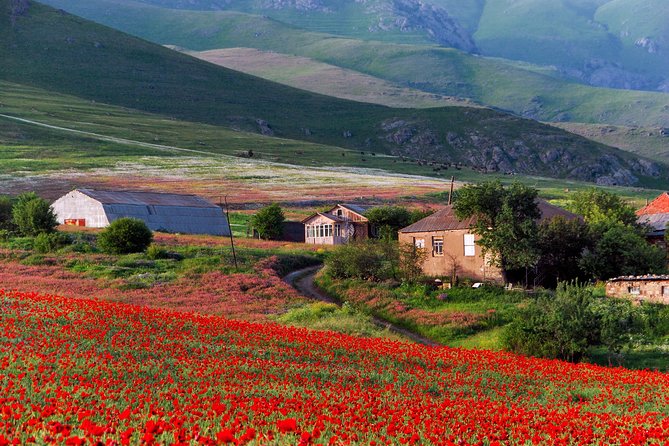
This private tour is ideal if you want a single-day arc through several layers of Georgia. You’ll likely love it if you enjoy:
- Rock-cut ancient sites like Uplistsikhe
- UNESCO World Heritage stops around Mtskheta
- A mix of Orthodox spiritual landmarks and secular history
- A structured day with a guide handling the transitions
It can be less ideal if:
- You want lunch fully included and covered end-to-end
- You dislike museums tied to 20th-century politics and prefer to skip that part
- You prefer extremely flexible schedules with lots of extra free time at each site
Because it’s private, the format works well for couples, small groups, and anyone who wants the comfort of pickup and the benefit of a guide without sharing time with strangers.
Small practical tips so your day goes smoothly
Bring comfortable shoes. You’ll move through rock-cut areas at Uplistsikhe and climb or stand in viewpoints at Jvari.
Budget for extras. The schedule marks lunch and entrance fees as not included overall, and admission may apply at Uplistsikhe and the Stalin Museum.
Check meal expectations ahead of time. Lunch is not included, so plan to pay for food in Gori.
Use your guide time wisely. If you care about the Anatolia and Iran cultural blend at Uplistsikhe, or why Jvari’s location matters, ask. Guides are often strongest when you tell them what you want to understand.
Finally, start with the right mindset. This is not one location visited slowly. It’s a route through multiple “big ideas,” ancient life, Soviet memory, and Georgian spiritual tradition. If you treat it like a guided story instead of a checklist, you’ll get more out of every stop.
Should you book this Mtskheta, Jvari, Gori, Uplistsikhe private tour?
If you’re doing Tbilisi as your base and you want a well-paced day trip that covers Uplistsikhe and the Mtskheta UNESCO sites with English guidance, I’d say it’s a strong booking choice. The value comes from the private transport, the comfort, and the fact that you’re not just driving between landmarks, you’re getting context at each one.
I would only hesitate if your priority is a fully included lunch, or if you strongly prefer to avoid museums like the Stalin Museum. In that case, you’d still enjoy Jvari and Svetitskhoveli, but you should plan your day around which optional parts you truly want.
FAQ
What time does the tour start?
The tour starts with pickup at 9:00 am.
How long is the tour?
It runs for about 10 hours.
Is this a private tour?
Yes. It’s a private tour, and only your group participates.
Is the tour guide available in English?
Yes. The tour is offered in English.
Does the tour include hotel pickup and drop-off?
Yes. Hotel pick up and drop-off are included.
Are entrance fees included?
No. Entrance fees are not included overall. In the schedule, Jvari Church and Svetitskhoveli Cathedral are listed as free admission.
Is lunch included?
No. Lunch is not included.
Can I cancel for a full refund?
Yes. You can cancel up to 24 hours in advance of the experience’s start time for a full refund.
Everything Else Across the Caucasus
West to Gori and the Rock Town
Mtskheta and the Hill Above It
Other Georgian tours we have been through, from the Black Sea to the Kakheti vineyards
- Private Adorable City Tour of Tbilisi
★ 5.0 · 3 reviews - Tbilisi Airport to Gudauri, Bakuriani, Batumi, Tbilisi
★ 5.0 · 3 reviews - Private Wine Tour In Kakheti Region with 7 Wines and Lunch
★ 5.0 · 3 reviews - Two Capitals in One Day: Tbilisi and Mtskheta Combo Tour
★ 5.0 · 3 reviews - Private Effortless transfer from Tbilisi to Gudauri ski resort
★ 5.0 · 3 reviews - Tbilisi to Gudauri Stepantsminda Private Transfer
★ 5.0 · 3 reviews
Mtskheta & Jvari Monastery, compared.
 ★ 5.0Day Trip to Mtskheta Gori and UplistsikheFrom $291,801 reviews
 ★ 5.0Mtskheta,Jvari,Bazaar,wine tasting,Chronicles of GeorgiaFrom $20730 reviews
 ★ 5.0Mtskheta-Gori-UplistsikheFrom $90112 reviews
 ★ 4.5Mtskheta, Jvari, gori, uflistsikhe, history and panorama (group tours)From $19107 reviews
 ★ 5.0Mtskheta-Jvari-Uplistsike-Chronicle of Georgia, PRIVATE TripFrom $68105 reviews
 ★ 4.5Tbilisi – Mtskheta – Jvari. Full City Tour on Hop On Hop Off BusFrom $4091 reviews
 ★ 4.5Ancient Georgia Group Tour: Mtskheta,Jvari, Gori, UplistsikheFrom $2473 reviews
 ★ 5.0Ancient Mtskheta and Chronicle of Georgia half day tourFrom $6566 reviews
Browse the lists this tour appears in