
REVIEW · TUSHETI & KHEVSURETI TREKS
3 Day Tusheti Tour Explore Unspoiled Wilderness
Tusheti is where Georgia goes off-grid. This 3 day small-group trip pairs the big mountain drama of passes like Gombori and Abano with real village time in Omalo, plus cathedral stops in Kakheti. I especially like the careful team setup, and you get two dinners plus two breakfasts in rustic but tidy guesthouse rooms. One thing to plan for is the long, rugged driving and the fact that weather can shift fast in the high passes.
I also like how the route is built around actual Tushetian places, not just quick photo stops. You’ll spend time in tower villages like Shenako and see how people lived there, not only what the buildings look like. The possible drawback is simple: you need moderate fitness and you should be ready for limited amenities, limited cell coverage, and high altitude.
In This Review
- Key Points You Should Know Before Going
- Tusheti Feels Like Georgia’s Off-Grid Side
- Day 1: From Gombori Pass Views to Omalo Guesthouse Life
- Day 1 Extra Tip: Dress for Weather Changes You Can Not Control
- Day 2: Tower Villages, Ruins, and Sacred Sites
- Day 2 Pace Check: You Will Walk, Even If It Does Not Look Like a Trek
- Day 3: Omalo Fortress, Small Population Magic, and the Ride Back
- Food and Guesthouse Comfort: What Included Meals Really Mean
- The Driving Reality: Mitsubishi Delica, Steep Roads, and Staying Sane
- When to Go: June to September, Pass Open Dates, and Weather Prep
- Value for $335: How This Tour Adds Up
- Who Should Book This Tusheti Tour, and Who Should Not
- Should You Book This 3 Day Tusheti Tour?
- FAQ
- What is the duration of the Tusheti tour?
- Where does the tour start and what time is departure?
- Is the tour available year-round?
- What language is the tour offered in?
- What meals are included?
- Are tickets included for the stops?
- Is horse riding included?
- What should I know about payments in Tusheti?
- What is the cancellation window?
Key Points You Should Know Before Going
- Small group size (max 6) helps the pace feel human on steep, slow roads
- Guesthouse base in Omalo gives you real mountain life, meals, and time to wander on your own
- High pass views and snow-season limits make timing crucial, especially for Abano Pass
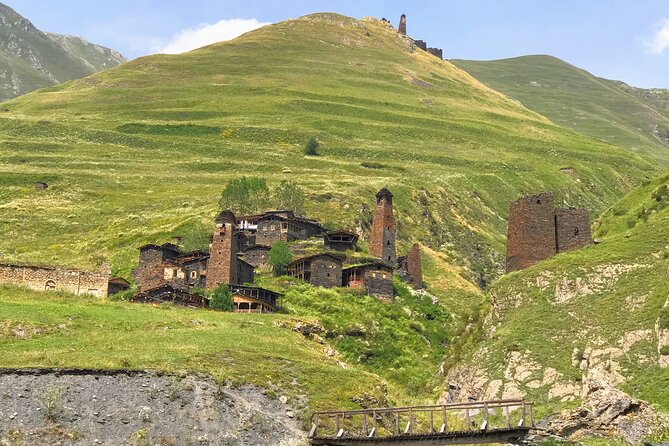
- Tower villages like Shenako show medieval design details you will actually notice up close
- Practical driving focus matters here, because the roads can feel intense even when you do everything right
- What’s included versus optional is clear, so you can budget for drinks and extras like horse riding
The long way in: more Tusheti and Khevsureti crossings
Tusheti Feels Like Georgia’s Off-Grid Side
Tusheti is one of those rare places where the mountains shape everything. Road access is limited, the villages sit high and exposed, and the daily rhythm feels different from Tbilisi. On this tour, you start in Kakheti, then slowly roll uphill into true backcountry territory, with enough time in villages that you do not just rush through them.
I like that the trip has variety without going scattershot. You get classic Georgian culture stops in Kakheti, then you shift into Tusheti’s village architecture, stone towers, and hillside shrines. It is the kind of pacing that makes the big drives feel meaningful, not like wasted hours.
There is also a strong safety focus that comes up again and again with the guides and drivers. Names like Koba and Gotcha come up for calm handling on cliffside sections, and that matters because Tusheti roads can be narrow and steep.
Day 1: From Gombori Pass Views to Omalo Guesthouse Life
Day 1 starts with Gombori Pass, a winding corridor that links Tbilisi and Telavi and puts the Alazani Valley on full display. As the road climbs, the scenery changes from drier zones to greener forest. You will likely stop at viewpoints along the way, and once you reach the top, the Gombori viewing platform gives you panoramic mountain and valley views.
What makes this part worth your attention is that it is not just scenery. The pass sits on the historic Great Silk Road route, and there are cultural landmarks nearby, including the 17th century Gombori Fortress. Even with a short stop, it gives you context for why this corridor mattered for trade and movement long before cars.
Next comes Alaverdi St. George Cathedral and the Alaverdi Monastery in the Alazani Valley region of Kakheti. The monastery is associated with very old origins, with the site founded in the 6th century, and it is known for a tall 11th century cathedral. In practical terms, this stop is about stepping into Georgian religious art and architecture, including frescoes and carved details, plus icons and manuscript treasures housed there.
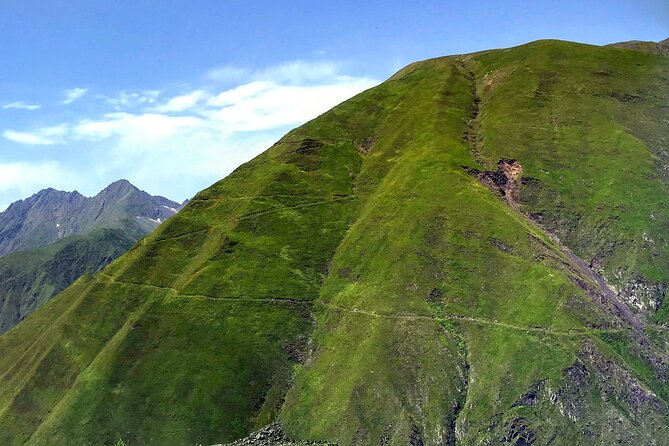
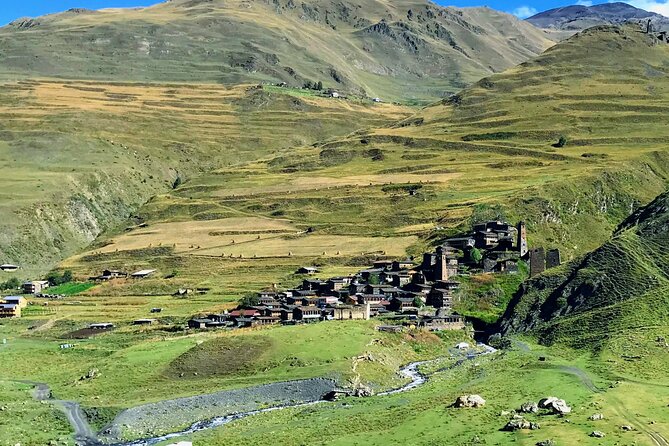
From there, the day turns into the real Tusheti transition. You drive toward Tusheti National Park via the road network that begins around Alvani and heads toward the Abano Pass area. This stretch is long, scenic, and demanding, and the route is about 93 kilometers from Alvani. You will see alpine pastures, high villages, and the classic Tushetian look of stone towers and old churches scattered across ridges.
A key detail you should understand: Abano Pass is only open from late May to early October. During the colder months, it is covered in snow, so season timing matters. Also, the pass altitude is around 2,826 to 2,850 meters, so you will feel the air and the pace change as you go higher.
Finally, you reach Omalo (sometimes spelled Onalo). This is where the trip stops feeling like driving tourism and starts feeling like staying in a place. The tour includes a traditional guesthouse stay with clean rooms and private bathrooms. Hosts cook home-style meals from local produce and can arrange activities like horse riding or hiking if you want to add something extra.
You will want to save some energy for the evening wandering here. Omalo is small, steeped in mountain stone architecture, and the views are the kind you keep looking at because they are different at different angles and light.
Day 1 Extra Tip: Dress for Weather Changes You Can Not Control
Tusheti weather can turn quickly. The tour notes you should be ready for heavy rain, cold snaps, and even snow. My practical advice: pack warm layers and waterproof gear that you can actually move in. If you are sensitive to temperature swings, bring a hat and something windproof for the drive and pass viewpoints.
Also consider motion sickness planning. The tour specifically flags motion sensitivity, and since you are in rugged terrain, it is smart to think ahead if you tend to feel queasy in winding roads.
Day 2: Tower Villages, Ruins, and Sacred Sites
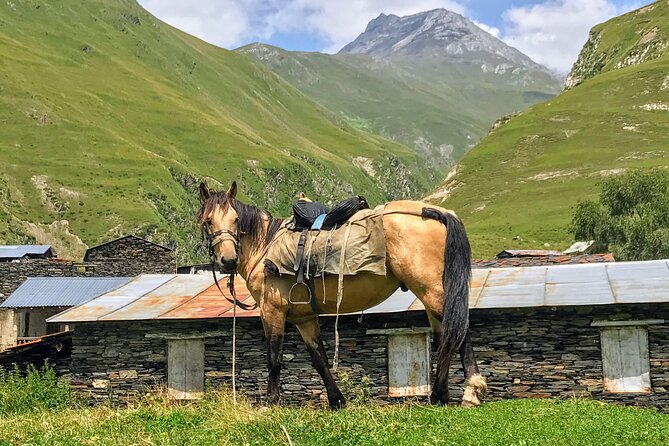
Day 2 goes deeper into Tusheti village culture. This is where you start recognizing patterns in the buildings and the hilltop layout.
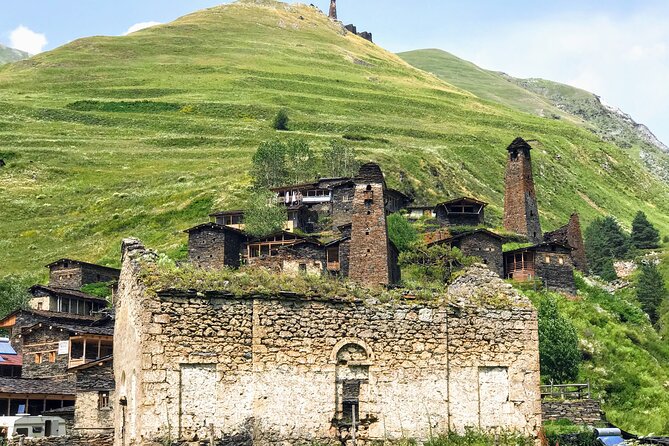
Your first stop is Dartlo, known for traditional stone houses, narrow lanes, and mountain views. Dartlo has both pagan and Christian religious structures, which gives you a fuller sense of how layered Tushetian spiritual life can be. You can see the 19th century Dartlo Church and a late medieval family tower, plus the Iakhsari Icon Complex, a shrine on the slope of Dartlo Mountain dedicated to a pagan deity. The complex includes multiple buildings such as a hall, sacristy, and other structures, which helps you see the site as an organized sacred space rather than a single church photo.
From Dartlo, you head to Diklo, where the mood is quieter. You will find ruins of a fortress overlooking the village and summer shelters used by shepherds and livestock. The tour notes a harsh climate and difficult access that leads to depopulation in winter, so when you are there, you are seeing a living landscape shaped by seasonal practicality.
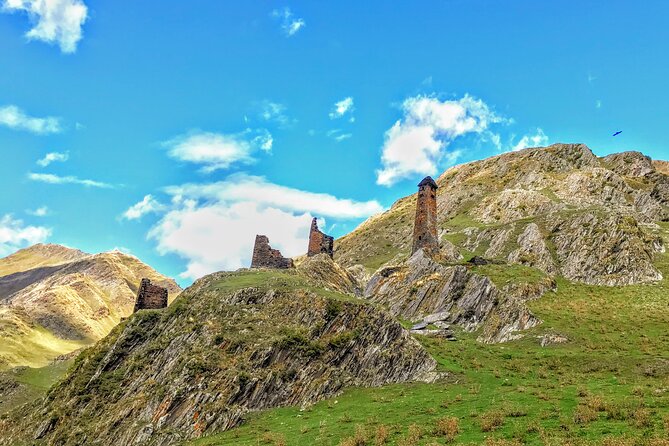
Then comes Shenako, one of the strongest architecture stops on the trip. Shenako is famous for its Tushetian tower houses built in the Middle Ages from black flat stones and wood. The design is functional: the ground level supported livestock, while the upper level was for living and defense.
If you like architecture, Shenako rewards close attention. You can also visit St George’s Church, built in the 19th century. It is a free-cross domed building made of slate and limestone, with eight narrow arched windows in the dome. The whitewashed walls and the domed form with a pyramidal roof are the kind of details you will remember long after the trip ends, especially because the church sits among the towers and slate features around it.
The time blocks are tight enough that you should wear shoes you trust. There will be uneven ground and steep lanes, especially when you move between points for photos.
More of the protected country: Mtirala, Borjomi, Vashlovani
- 3 Day Tusheti Tour Explore Unspoiled Wilderness★ 5.0 · 28 reviews
Day 2 Pace Check: You Will Walk, Even If It Does Not Look Like a Trek
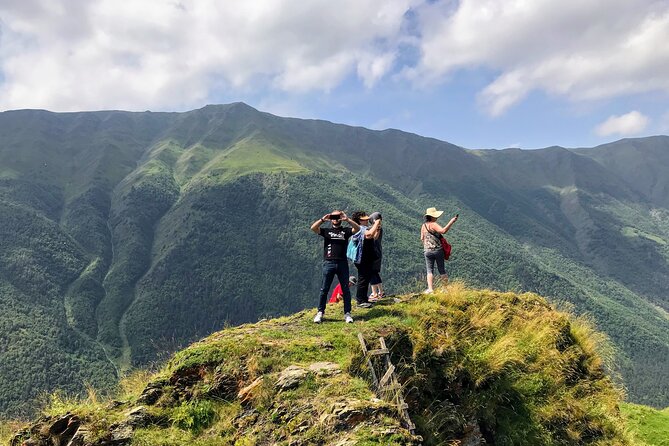
This is not a marathon hike, but Tusheti movement is real. You will climb, stand in wind, and walk between viewpoints and village stops. If you have moderate fitness, you should be fine. If you hate steep steps, plan to go slower than you think you need to.
Also remember, cell coverage can be limited in Tusheti, so do not rely on constant map checks. Keep your plan simple.
Day 3: Omalo Fortress, Small Population Magic, and the Ride Back
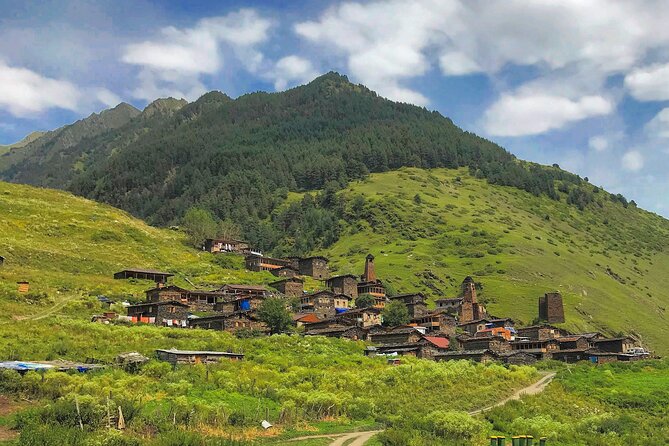
On Day 3, you return to Omalo for its medieval defense story. The highlight here is the Keselo Fortress, which dates back to the time of the Mongol invasion around 1230. The fortress served as protection against raids by North Caucasian tribes. Some restoration has been done, so you can actually understand the defensive layout rather than seeing only scattered stones.
Around the fortress, Omalo’s houses date roughly from the 17th to 19th centuries. You get a sense of Tusheti living as built over generations, not a single era frozen in time.
One of the most memorable parts of Day 3 is the scale. Omalo has only about 37 inhabitants, so you are not competing with crowds. You can wander, pause, and actually look at how people adapted houses to slopes and ridge positions. If you crave quiet travel and you do not mind that modern infrastructure is limited, this is the payoff day.
After that, you start the late-afternoon return to Tbilisi. The driving down can feel faster, but with the passes and mountain roads, it still takes focus. You will probably feel a little “transported” back to regular time once you reach the city.
Food and Guesthouse Comfort: What Included Meals Really Mean
The tour includes breakfast (2) and dinner (2). In practice, that means you do not need to plan meals for every hour of the day, which is a big deal in a remote region where food options can be limited.
The guesthouse in Omalo is described as simple but comfortable, with clean rooms and private bathrooms. The tradeoff is rustic living. The tour also notes limited access to electricity and running water, so you should not expect hotel-level consistency. The good news is that your hosts provide home-cooked meals, and food is part of the Tusheti experience, not an afterthought.
You may also get the chance to taste local drinks. Past experiences mention chacha and wine alongside the meals, which fits the culture of hospitality in these villages. Horse riding is an optional add-on, not included, so if it is on your list, you will need to plan for it separately.
If you want more privacy, the tour notes a private room option with an extra cost of 50 USD for two nights. That is useful if you are traveling with a partner who snores, or if you just want the peace of your own space after long days of driving and mountain air.
The Driving Reality: Mitsubishi Delica, Steep Roads, and Staying Sane
Getting to Tusheti means accepting that roads are part of the journey. The tour uses a Mitsubishi Delica, described as reliable and equipped for rugged terrain. It is not a luxury ride, but it is built for the road conditions.
What I really appreciate is that the trip is designed for small group comfort during stressful sections. Past experiences highlight drivers like Gotcha, Verpho/Vepkho, and Goce for handling steep and cliffside routes calmly. If you are the type who tenses up in winding roads, this kind of experienced driving focus makes a huge difference.
There are also altitude considerations. Tusheti ranges roughly 1,800 to 2,900 meters. That can make you feel slower, sleep differently, and sometimes breathe more heavily. The tour advises appropriate precautions for altitude sickness and to consult a doctor if needed.
Because cell phone coverage can be limited, do not treat your phone as your safety net. Have a backup way to communicate in emergencies.
When to Go: June to September, Pass Open Dates, and Weather Prep
This tour runs only during a limited season, typically June to September. That timing is not just about sunshine. It is about road access and pass conditions.
Abano Pass is open late May to early October, but Tusheti conditions can still change. The tour warns about unpredictable weather, including the potential for heavy rain and even snow. So your packing should assume you will need warm layers at altitude, even if the forecast looks friendly.
Bring waterproof gear, because wet mountain roads make everything harder. Bring clothes you can layer, not only a single thick jacket. And plan for wind, since higher elevations can feel colder than you expect.
Also note: credit cards are not accepted in Tusheti. If you want snacks or small purchases, plan to carry cash.
Finally, respect the protected nature of the area. The tour explicitly mentions Leave No Trace principles, so pack out trash and keep disturbance minimal.
Value for $335: How This Tour Adds Up
At $335 per person for about 3 days, the price is mostly about access and logistics. You are paying for a small group structure, pickup, reliable mountain transport, guide support in English, and a guesthouse base in Omalo that is otherwise hard to arrange independently.
What you get that helps value:
- Pickup offered and a route that connects major points without you doing the hard planning
- Accommodation included for the mountain nights, in a guesthouse with private bathrooms
- Two breakfasts and two dinners included, which reduces daily spending pressure
- Entrance tickets listed for key stops are free in this itinerary
- A small group limit of max 6, which usually means less crowding and more flexible stops
What is not included:
- Additional food and beverages beyond the included meals
- Optional horse riding
- If you want a private room, there is an extra 50 USD for two nights
Also remember that price can vary by season and participant count, and promotions can change the displayed figure. So if you see a low price for your date, treat it as a real deal, but confirm the final booking details for your exact departure.
Who Should Book This Tusheti Tour, and Who Should Not
You should book if you want:
- Real mountain village time in Omalo, Dartlo, Diklo, and Shenako
- Tower architecture details and sacred sites that you can walk around and actually look at
- A guided plan that handles the hard parts of the drive, including high passes like Abano
- A trip that prioritizes culture and nature over modern comforts
You might want to think twice if:
- You get motion sick easily, since the route includes winding mountain roads
- You have altitude concerns, because Tusheti goes up to around 2,900 meters
- You need reliable running water and full-time electricity, because the region is rustic by design
- You want an itinerary that never changes. Weather can force schedule adjustments, including returning to Tbilisi.
Should You Book This 3 Day Tusheti Tour?
If your idea of a great trip includes mountain roads, old stone villages, and the kind of quiet hospitality where dinner feels like part of the day, then yes, I think this is a strong choice. The best reason is simple: the structure gets you into Tusheti with minimal stress. You have a guesthouse base, included meals, and a route built around places that make Tusheti feel like Tusheti.
If you hate rough conditions, prefer cities only, or get stressed by altitude and curvy drives, you may find this trip too intense. In that case, you could still enjoy Georgia, just with a less remote plan.
FAQ
What is the duration of the Tusheti tour?
The tour runs for 3 days, with timing described as approximate.
Where does the tour start and what time is departure?
The start time is 7:00 am. Pickup is offered, and you need to provide contact details for coordination.
Is the tour available year-round?
No. The Tusheti tour is only available during a limited season, typically June to September. Abano Pass is only open from late May to early October.
What language is the tour offered in?
The tour is offered in English.
What meals are included?
The tour includes breakfast for 2 days and dinner for 2 days.
Are tickets included for the stops?
For the listed key stops such as Gombori Pass viewpoints, Alaverdi St. George Cathedral, and the Tusheti National Park areas in the itinerary, admission is listed as free.
Is horse riding included?
Horse riding is not included. It is mentioned as optional and can be arranged.
What should I know about payments in Tusheti?
Credit cards are not accepted in Tusheti, so you should plan to have cash if you want to buy anything.
What is the cancellation window?
You can cancel for a full refund if you cancel at least 24 hours before the experience start time.
Everything Else Across the Caucasus
Mtirala, Borjomi and the Protected Ranges
The Long Way Into Tusheti
Other Georgian tours we have been through, from the Black Sea to the Kakheti vineyards
- Private Adorable City Tour of Tbilisi
★ 5.0 · 3 reviews - Tbilisi Airport to Gudauri, Bakuriani, Batumi, Tbilisi
★ 5.0 · 3 reviews - Private Wine Tour In Kakheti Region with 7 Wines and Lunch
★ 5.0 · 3 reviews - Two Capitals in One Day: Tbilisi and Mtskheta Combo Tour
★ 5.0 · 3 reviews - Private Effortless transfer from Tbilisi to Gudauri ski resort
★ 5.0 · 3 reviews - Tbilisi to Gudauri Stepantsminda Private Transfer
★ 5.0 · 3 reviews
Tusheti & Khevsureti Treks, compared.
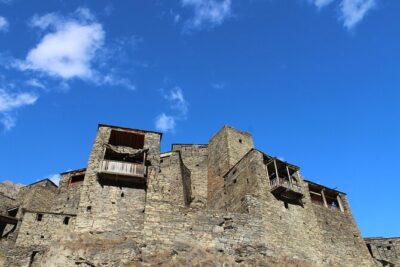 ★ 5.0day trip to Shatili, Khevsureti, Mutso, Ananuri.From $15021 reviews
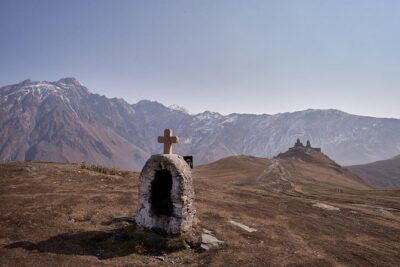 ★ 5.0Five days tour to Khevsureti (Abudelauri lakes) & Kazbegi with hikes.From $10014 reviews
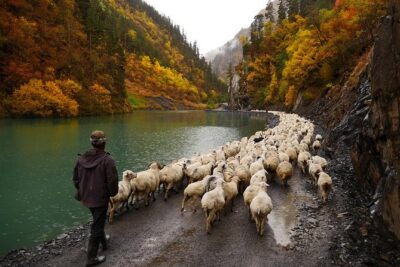 ★ 5.0Trekking Tour from Tusheti to Khevsureti via Atsunta PassFrom $1,6206 reviews
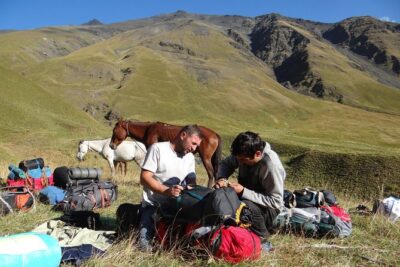 ★ 4.57-day hiking expedition to Tusheti through the Atsunta passFrom $1,1903 reviews
Browse the lists this tour appears in