
REVIEW · TUSHETI & KHEVSURETI TREKS
7-day hiking expedition to Tusheti through the Atsunta pass
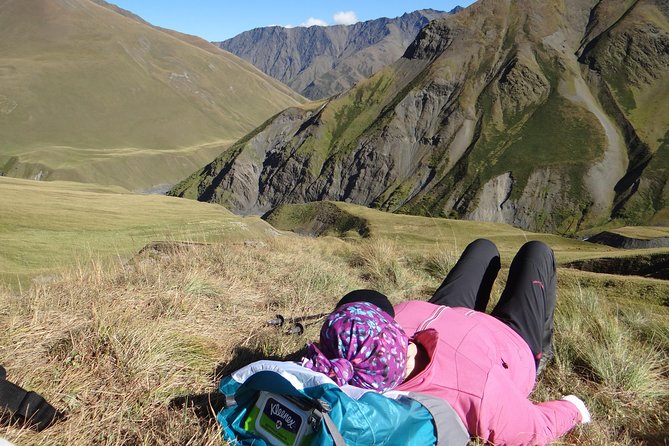
Remote Tusheti feels like another planet.
This 7 day hike takes you through Georgia’s quieter mountain worlds, including the big climb over Atsunta Pass at 3431 m. You get two days with no mobile signal and no villages, plus two nights sleeping in a tent, so the trip truly feels removed from normal travel.
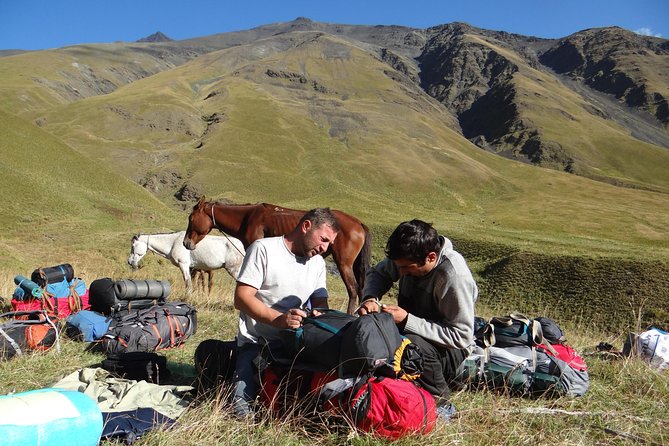
What I like most is how practical the adventure is. First, you have horses for stuff carrying, which makes a noticeable difference once the trail gets rough. Second, the tour is built around reliable transport and solid logistics, so you spend your energy on walking, not worrying about getting lost or underfed. On top of that, the name Stanislav shows up in feedback, and he gets praised for being attentive and keeping the group moving in a safe, steady way.
The main drawback is also part of the point. This is not a casual stroll, and the days can be physically demanding, especially the pass day and the long descent day. If you hate uncertainty, limited communication, and rough terrain underfoot, you might find this more intense than you expected.
In This Review
- Key points before you go
- Getting from Tbilisi to Shatili without wasting your day
- Shatili to Ardoti: the jeep edge, then passport reality
- Atsunta Pass (3431 m): the tough day that defines the whole trek
- From the Pirikiti Alazani river down to Girevi
- Dartlo, Kvavlo, and a stone house night that feels local
- Omalo and horse riding: visiting Shenako and Diklo
- Leaving Tusheti: Kakheti winery lunch and Abano Pass to Tbilisi
- Price and what you actually get for $1,190
- Who should book this and who should skip it
- Final call: should you book the Atsunta Pass trek
- FAQ
- How long is the hike?
- Where do you start and when is pickup?
- How big is the group?
- Do I have mobile phone signal on the route?
- Do I sleep in a tent?
- Are horses used during the trek?
- What food and drinks are included?
- What cancellation window gives a full refund?
Key points before you go
- Atsunta Pass at 3431 m: The hardest day is the highlight, splitting Khevsureti and Tusheti.
- Two off grid days: No mobile communications and no villages for that stretch.
- Tent nights plus included sleeping gear: Tent, sleeping pad, and sleeping bag are part of the package.
- Horses help with load carrying: A real advantage on multi day trekking.
- Small group size: Maximum 10 travelers means easier pacing and smoother coordination.
- Culture by foot and by horse: You walk key stretches and also ride horses to visit Tusheti villages.
The long way in: more Tusheti and Khevsureti crossings
Getting from Tbilisi to Shatili without wasting your day
The trip starts with a pickup from the provider’s office in Tbilisi at 9:00 AM. From there it’s a long but scenic drive, around 5 hours and about 150 km, with planned stops along the way. One of the best early moments is the Bear Cross Pass (2676 m) picnic, which sets the tone for the whole hike, cool air, wide views, and that sense you’re really going somewhere remote.
When you reach Shatili, you do not just check into a bed and move on. You get time to explore the medieval settlement carefully, including wandering for photos. Shatili is built to impress, and it helps that you arrive with daylight and energy rather than collapsing immediately after the drive. Dinner is handled by the guesthouse owners, a simple setup that feels more local than touristy.
This first day matters because it gives you two things you want for a trek: familiarity with the region and a calm start. You are not starting the long hiking days already stressed and rushed.
Shatili to Ardoti: the jeep edge, then passport reality
Day 2 is where the trip starts acting like a real expedition. After breakfast, you switch to jeeps and head toward Ardoti, described as the place where the road ends. On the drive, you stop in Anatori and at the medieval abandoned city of Mutso, which adds a history layer even before the hiking begins.
Then comes the part many people forget to mentally prepare for: border formalities. You need to present your passports to Georgian border guards, and the process takes about 20 minutes. It’s not long, but it is essential, and it’s better if you have your documents ready without scrambling.
After a picnic, you start trekking, about 4 hours to reach camp. This is the day you’ll feel the pace shift from travel to trail. When you arrive, you set up tents and rest, with dinner waiting for you.
What I like here is the pacing logic. You are not immediately thrown into the toughest climbing, but you do earn the remoteness. By the time you’re in camp, the next days feel earned, not staged.
Atsunta Pass (3431 m): the tough day that defines the whole trek
Day 3 is the big one. You hike through Atsunta Pass at 3431 m, and the pass matters geographically because it divides Khevsureti and Tusheti. That simple detail gives the day extra meaning. You’re not just walking uphill for distance, you’re crossing between two mountain worlds.
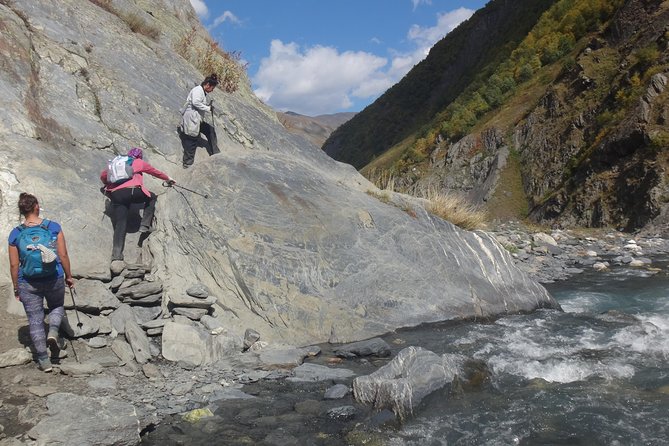
The tour describes this as a difficult day, and that’s a fair expectation. Even if you’re fit, high passes tend to test breathing and endurance. This is the day to keep your effort steady. When the air is thin or the trail is steep, you win by pacing, not by sprinting.
Also, think about what you’re trading for that climb. The reward is not just altitude. It’s the feeling of moving through a real corridor of wilderness where villages and modern comforts fade away.
From the Pirikiti Alazani river down to Girevi
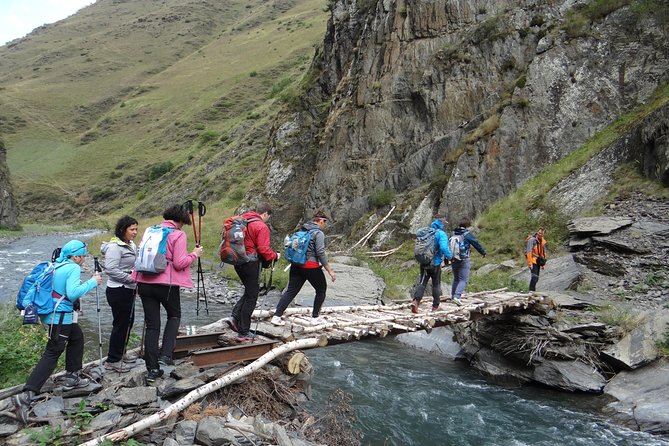
Day 4 moves you from “big pass day” into a longer, working hiking day. The trail goes down along the Pirikiti Alazani river. The route is described as simpler, but it is still about 20 km, so it’s not short and easy in practice.
Along the way you pass shepherds’ houses, which gives you a hint of who uses these routes and how the landscape is managed. You also see an abandoned stone city called Chontio, another reminder that this region holds layered stories, even when it looks empty.
You finish in Girevi village, where people live and where you’ll stay in a guesthouse. This is your first real return to civilization after the more isolated stretches. It’s also a good day for your body to reset, because you go from steep effort to steady movement and then back to normal village comforts.
If you get nervous about long distances, this is the one day to mentally prep for. Simple does not mean easy when you’re doing it for hours.
Other walks, from Gveleti Falls to the Atsunta pass
- David Gareji and Real Rainbow Mountains Off-Road adventure + hike★ 5.0 · 129 reviews
- 8-Day Trekking Group Tour in Svaneti★ 5.0 · 21 reviews
- Kazbegi Tour with Gergeti Church, Waterfall Hike & Hidden Gems★ 5.0 · 19 reviews
- 3-Day Hiking Group Tour in Kazbegi★ 5.0 · 14 reviews
- Kazbegi Adventure Day Trip – Hike to Gveleti waterfall plus Gergeti, Ananuri★ 5.0 · 7 reviews
Dartlo, Kvavlo, and a stone house night that feels local
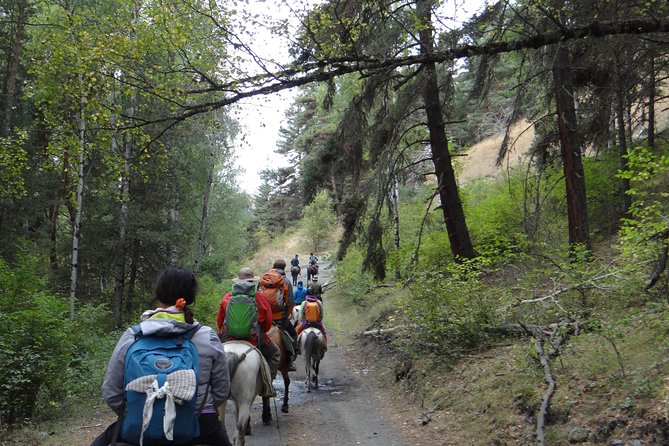
Day 5 is set up as an easier day. You hike about 4 hours along a jeep road. That makes the day more beginner friendly if you’re already carrying your own trekking rhythm.
By lunch time you reach Dartlo village, which is described as claimed to be on the World Heritage List. Even if you don’t focus on labels, the point is that Dartlo feels special and distinct. You get lunch, you get time to arrive with your energy, and then you add a small uphill hike afterward to Kvavlo village.
For sleeping, you shift into a stone house built according to local traditions. This is one of those details that helps you experience the region as it is lived, not as a themed hotel.
I like this day because it balances effort with atmosphere. You’re not punished on every day, and you still get the kind of accommodation that makes trekking feel like more than exercise.
Omalo and horse riding: visiting Shenako and Diklo
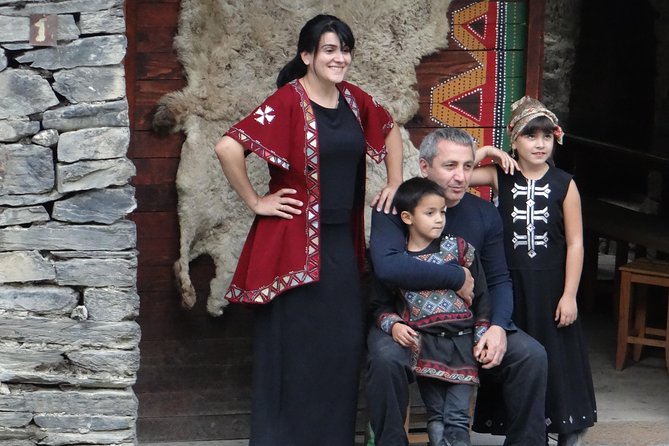
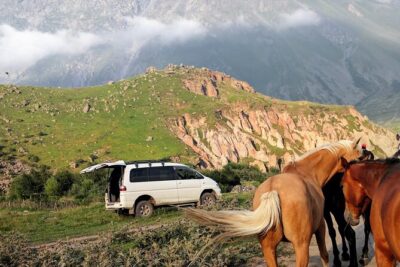
Day 6 starts with a drive to Omalo, described as the largest village in Tusheti. Once you arrive, you leave your stuff in a guesthouse and go for horseback riding. That setup is smart. It means you don’t arrive and immediately overdo it on foot.
The horseback portion lets you visit Shenako and Diklo. The provided feedback includes the Church of the Holy Trinity in Shenako as a memorable stop, which tells you this is not just scenic riding. It’s also cultural and specific.
Then you return to Omalo for dinner.
This is a great day if you like movement but want a break from constant hiking. It also gives your legs a chance to recover while still seeing more than one village.
Leaving Tusheti: Kakheti winery lunch and Abano Pass to Tbilisi
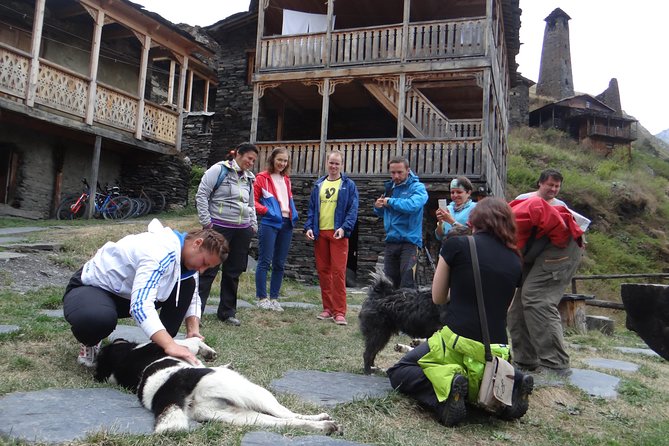
Day 7 is the “goodbye Tusheti” day with a road plan that aims to make your final hours feel like a reward, not a grind.
First, you get to Alvani, where you switch from jeeps to a comfortable bus. Then you head to a winery in Kakheti for lunch, described as festive. That’s your morale boost before the long return.
The drive includes 60 km of unpaved road, plus the long journey through the Abano Pass, described as the highest automobile pass in Europe. You arrive in Tbilisi around 5:00 PM.
This matters because the trek’s rhythm ends and your body switches gears. Having an organized bus and a planned lunch prevents the last day from feeling like random travel logistics piled on top of hiking fatigue.
Price and what you actually get for $1,190
At $1,190 per person, this is not cheap. But the cost is easier to justify when you look at what’s included versus what you would have to organize yourself.
Included highlights:
- All transfers using 4×4 jeeps
- Horses for stuff carrying
- Food and drinks with breakfast, lunch, dinner, and snacks provided
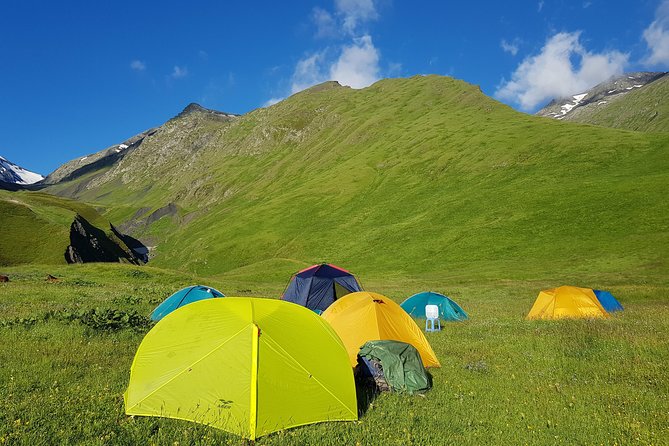
- Hiking sleep system, including a tent, sleeping pad, and sleeping bag
- Equipment like a waterproof duffel bag
- A mobile ticket, plus pickup offered
Also, you have a small group size, maximum 10 travelers, which usually means smoother coordination and less waiting.
Not included:
- Beer, wine, and chacha at guesthouses
My practical take: if you add up private transport to remote trailheads, guide logistics, and multi day meals plus tent and bedding gear, the price starts to feel more like paying for a well-run operation. What you should decide is whether you value structured safety, included gear, and the off grid portion enough to justify the higher price.
Who should book this and who should skip it
This tour fits you if you want:
- A serious multi day hike with a genuine remote feel
- The big physical challenge of a high pass day
- Included camping gear and food, so you can travel lighter
- A mix of on foot hiking and horse riding for village visits
This tour might be a poor fit if you:
- Want nonstop phone connectivity, because two days have no mobile communications
- Prefer constant village infrastructure, because there are stretches with no villages
- Dislike hard terrain and long hiking days, especially when you see the pass and the longer descent day
The tour also asks for moderate physical fitness, which is a useful signpost. If moderate sounds right for you, you’ll likely be comfortable with the challenge.
Final call: should you book the Atsunta Pass trek
I’d book it if you’re chasing a real mountain week, not a checklist of viewpoints. The two off grid days, the 3431 m pass, the tent nights with included gear, and the blend of trekking plus horse riding make this feel like a full adventure rather than a guided walk with occasional scenery.
I would hesitate only if you’re very sensitive to physical strain, you strongly need phone access, or you expect a fully comfortable experience every hour. This is still well organized, but it’s built for people who like the outdoors to be outdoors.
If your idea of a great trip includes quiet nights, steady effort, and that satisfying feeling when you reach a village and realize you’re really there, then this trek is a strong match.
FAQ
How long is the hike?
The experience is 7 days (approximately).
Where do you start and when is pickup?
Pickup is offered from the tour office in Tbilisi at 9:00 AM.
How big is the group?
The tour has a maximum of 10 travelers.
Do I have mobile phone signal on the route?
Two days include no mobile communications and also no villages.
Do I sleep in a tent?
Yes. The tour includes two nights in a tent, and it provides tent, sleeping pad, and sleeping bag.
Are horses used during the trek?
Yes. Horses are provided for stuff carrying, and there is also a horse riding day to visit Tusheti villages.
What food and drinks are included?
Breakfast, lunch, dinner, and snacks are included throughout the trip. Beer, wine, and chacha at guesthouses are not included.
What cancellation window gives a full refund?
You can cancel up to 6 days in advance of the experience for a full refund.
More Walking, Falls to Passes


Everything Else Across the Caucasus
The Long Way Into Tusheti
Other Georgian tours we have been through, from the Black Sea to the Kakheti vineyards
- Private Adorable City Tour of Tbilisi
★ 5.0 · 3 reviews - Tbilisi Airport to Gudauri, Bakuriani, Batumi, Tbilisi
★ 5.0 · 3 reviews - Private Wine Tour In Kakheti Region with 7 Wines and Lunch
★ 5.0 · 3 reviews - Two Capitals in One Day: Tbilisi and Mtskheta Combo Tour
★ 5.0 · 3 reviews - Private Effortless transfer from Tbilisi to Gudauri ski resort
★ 5.0 · 3 reviews - Tbilisi to Gudauri Stepantsminda Private Transfer
★ 5.0 · 3 reviews
Tusheti & Khevsureti Treks, compared.
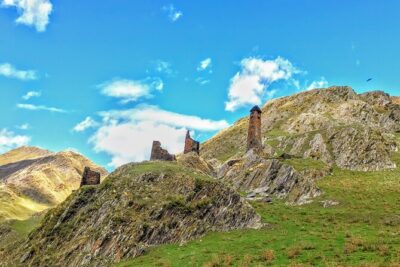 ★ 5.03 Day Tusheti Tour Explore Unspoiled WildernessFrom $33528 reviews
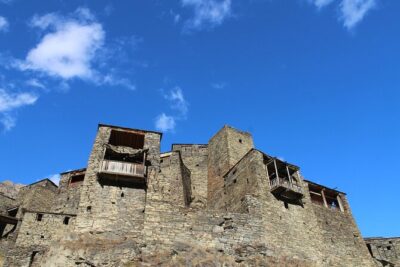 ★ 5.0day trip to Shatili, Khevsureti, Mutso, Ananuri.From $15021 reviews
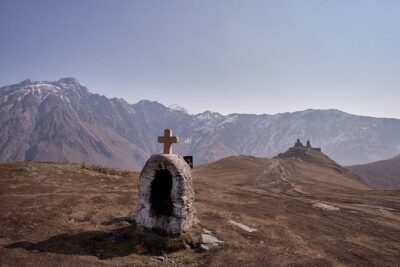 ★ 5.0Five days tour to Khevsureti (Abudelauri lakes) & Kazbegi with hikes.From $10014 reviews
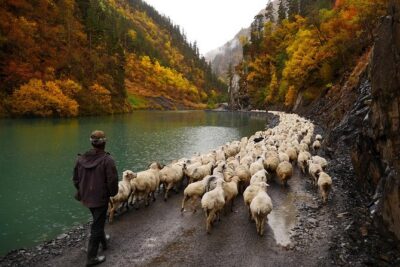 ★ 5.0Trekking Tour from Tusheti to Khevsureti via Atsunta PassFrom $1,6206 reviews
Browse the lists this tour appears in