
REVIEW · 7-DAY EXPERIENCES
Georgian Essence: Cultural Immersion in a week
Eight days, and Georgia clicks fast.
This private trip strings together the big emotional hits of the country, from rock-hewn monasteries and hilltop churches to wine towns and the Black Sea. I like that the pace is built around a real guide and private transport, so you can stop when the view hits and skip when you want a breather. You also get hand-picked hotels with breakfast and lunch that focus on Georgian flavor, not just convenience.
I also love the food moments. Expect bread-and-cheese stopovers like Badiauri, a close-up look at qvevri craft, and a proper cooking session in Mtskheta where you make dishes like khinkali and share lunch with a local family. Another strong point is the guide: multiple reviews single out Irakli for being friendly, practical, and ready with history, culture, architecture, and even what to try in local wine and food, plus help from the airport to the end of the trip.
One consideration: this is a full week of driving and walking. Many sites are churches, monasteries, or cave towns with stairs and uneven steps, and the tour requires good weather, so rain or fog can change what feels comfortable day to day.
In This Review
- Key highlights at a glance
- A private week in Georgia that feels planned, not rushed
- Price and value: what $2,200 per person buys you
- Day 1 in Kakheti: David Gareja to Signagi and Telavi
- Day 2: qvevri craft, Kvetera church, and Shatili’s fortress silence
- Day 3 in the mountains: Ananuri, the Friendship Monument, and Gergeti Trinity Church
- Day 4 near Mtskheta: UNESCO churches, Uplistsikhe, Stalin, and a home-cooked lunch
- Day 5 caves, a canyon bridge, and Rabati’s layered fortress
- Day 6 Goderdzi Pass, Makhuntseti waterfall, and Batumi on the Black Sea
- Day 7 western Georgia’s nature circuit: parks, canyons, and Prometheus Cave
- Day 8 near Kutaisi: Gelati, Motsameta, Katskhi Pillar, and Chiatura rope roads
- Why the guide matters more than you think: Irakli and the small choices
- Who this tour suits best, and who might want something else
- What to pack and how to prepare for real site time
- Should you book Georgian Essence for your week in Georgia?
- FAQ
- How long is Georgian Essence?
- Is this a private tour?
- Do you get pickup?
- Is there a mobile ticket?
- What does the price include?
- Are group discounts available?
- Do I need good weather?
- How flexible is cancellation?
- Is it suitable for most people?
- Where does the tour take place?
Key highlights at a glance
- Irakli-led, hands-on guidance that keeps the trip smooth and personal
- Georgian food built into the route, from shotis puri and aged cheese to cooking class lunch
- Cave monasteries and fortress villages like Vardzia, Shatili, and Uplistsikhe
- Mix of mountain viewpoints and Black Sea energy, ending with Batumi and western Georgia
- Plenty of included admissions for major stops, plus others that are free on the schedule
More week-long Georgian itineraries
A private week in Georgia that feels planned, not rushed
This tour is designed like a best-of Georgia road trip, with a private car and a guide who can manage time between stops. That matters, because Georgia can be slow moving if you self-navigate. With a guide, you spend your energy looking at the places, not solving logistics.
You also get a satisfying blend: religion and archaeology in the east and west, mountains in the middle, then a shift to Batumi and the canyons. If you like variety, this format works well. If you prefer one city and long unstructured afternoons, you might find the schedule a bit tight.
Price and value: what $2,200 per person buys you
At $2,200 per person for about eight days, you’re paying for three things: private transport, an included guide, and a route with multiple paid sites that are already built into the plan.
What you typically feel on a tour like this is less time wasted and fewer decisions. Your guide is picking timing for photo stops, choosing the best moments to visit certain monuments, and keeping the day coherent. The value gets stronger when you consider how many places in Georgia are best experienced with context, especially for religious sites and older historical ruins.
Also note the practical add-ons: pickup is offered, you get a mobile ticket, and the operator lists group discounts. That can help if you’re traveling with friends or family.
Day 1 in Kakheti: David Gareja to Signagi and Telavi
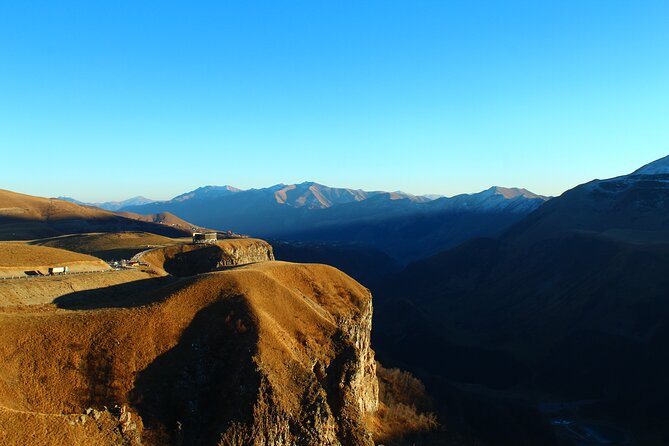
Day 1 starts with David Gareja Monastery, a rock-hewn monastic complex dating back to the 6th century. The setting is dramatic, and the main appeal is how the monastery structures are carved into the desert terrain along the Georgia-Azerbaijan border. Plan for uneven ground and bright light. This is the kind of place where a guide’s explanations really change how you see it, especially with the stories tied to frescoes and ancient manuscripts.
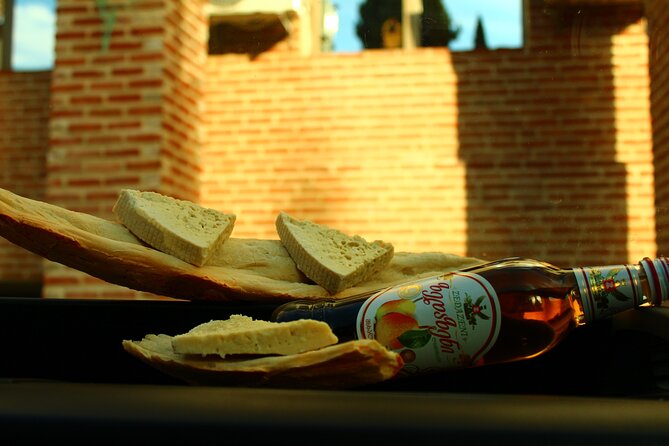
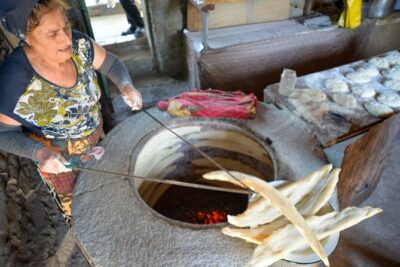
From there, the day shifts into a food break at Badiauri, known for shotis puri baked in clay ovens and aged cheese. It’s quick, but it gives you a real taste of Georgian food culture without turning into a shopping stop. If you have any appetite left after the monastery, this one is a sweet reset.
Next is Bodbe Monastery of St. Nino, tied to Georgia’s Christian origin story. This is a more peaceful, devotional kind of visit. Dress and behavior matter here. Keep your pace gentle, and use the quiet to notice details like frescoes and the calm surroundings.
Then you reach Signagi, the “City of Love,” perched above the Alazani Valley with wide views over vineyards and the Caucasus Mountains. Signagi’s charm is in its old architecture, cobblestone streets, and balcony-lined buildings. It’s a great place for photos and wandering.
Finally, you end in Telavi, a historic center of Kakheti. Telavi’s highlights include winemaking culture and landmarks like Batonis Tsikhe (Castle of the King) and the restored palace of King Erekle II. If you want Georgian wine culture beyond the tasting room version, this stop helps set the stage.
Practical note: this is a long day by design, so wear comfortable shoes and plan to drink water early. Stone steps and viewpoints add up.
Day 2: qvevri craft, Kvetera church, and Shatili’s fortress silence
Day 2 begins with Vardisubani and a visit to a qvevri maker. Qvevri are clay vessels used for traditional winemaking, and seeing the craft in person makes the whole wine story feel more concrete. You learn how artisans shape the clay vessels using techniques passed down over generations, and it connects the dots between culture and what ends up in the glass later.
Then comes Kvetera Fortress, Church, a site with 10th-century roots and Georgian ecclesiastical architecture. Stone carvings and frescoes are the focus. This is a good stop if you like older art forms and want to break up the day with something quieter than a town center.
After that, the route takes a serious turn into medieval defense mode: Shatili Medieval Fortress Village in Khevsureti. This UNESCO-listed area is famous for its defensive towers and stone houses tucked into a remote mountain setting. The feeling here is different than the more accessible monasteries. It feels like you’re stepping into an old system built for survival.
Consideration: remote sites can mean longer drives and more walking on uneven paths. If you get uncomfortable on steep stairs or rocky trails, tell your guide so the pace can be adjusted.
- Day Trip to Kakheti Wine Region Including 9 Wine Tastings★ 5.0 · 2,774 reviews
- Highlights of Caucasus Mountains-Jinvali,Ananuri,Gudauri,Kazbegi(Group tour)★ 5.0 · 2,682 reviews
- Day Trip to Kazbegi and Gudauri★ 5.0 · 2,009 reviews
- Day Trip to Mtskheta Gori and Uplistsikhe★ 5.0 · 1,801 reviews
- Tbilisi Walking Tour Including Cable Car and Traditional Bakery★ 5.0 · 1,310 reviews
Day 3 in the mountains: Ananuri, the Friendship Monument, and Gergeti Trinity Church
Day 3 pairs fortress beauty with classic mountain viewpoints.
First is Ananuri Fortified Castle Ensemble, in the Aragvi River Valley. Ananuri gives you Georgian and Islamic-influenced design in a setting that’s easy to understand because it’s so visually anchored. The standout is the combination of fortified architecture, frescoes, and the river-valley views. If you like climbing a little for angles, your guide can suggest where to go for the best look.
Then you stop at the Russian Georgian Friendship Monument in the Gudauri area. Built in the 1980s, it commemorates the bicentennial of the Treaty of Georgievsk. It’s not just scenery. The mosaics and message of unity give you a window into the Soviet-era layer of regional politics and how Georgia’s identity has been shaped through time.
Next is Gergeti Trinity Church, perched above the landscape and one of Georgia’s most iconic hilltop sights. This stop is all about the view and the feeling of the church sitting high above everything else. It’s also an ideal place for photos, especially when weather gives you clear visibility.
Tip: for hilltop churches, wind is common. Bring a layer you can add or remove quickly.
Day 4 near Mtskheta: UNESCO churches, Uplistsikhe, Stalin, and a home-cooked lunch
Day 4 is where Georgia gets layered fast.
You begin at Jvari Church (UNESCO) near Mtskheta, an early-Christian symbol with a simple, striking hilltop design and wide panoramic views. Inside, frescoes help explain how faith and national identity were braided together early on.
Then you go to Stalin Museum in Gori, located in Stalin’s birthplace. This isn’t a fun detour, but it is an important historical stop. You get personal items, documents, and photos tied to his rise from Georgia to Soviet leadership. Expect the tone to be reflective and politically charged.
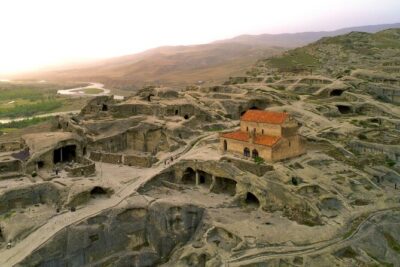
After that, you shift back into ancient architecture at Uplistsikhe Cave Town, a rock-hewn settlement dating back to the Iron Age. The appeal is the network of caves, churches, and dwellings cut into rock, plus stair-like walkways that make you feel the engineering of the place.
Next: Svetitskhoveli Cathedral (UNESCO) in Mtskheta. Built in the 11th century, it’s a major pilgrimage site associated with Georgian royal burials and religious tradition. If you care about medieval Georgian church architecture, this is one of the strongest stops.
Then the day turns personal and food-focused: a cooking class and lunch hosted by a local family in Mtskheta. You cook traditional dishes under guidance, learning hands-on how flavors come together, including khinkali. This is one of those moments that makes a history tour feel human because you’re eating and talking where locals live.
To close the day in Tbilisi, you visit the Chronicles of Georgia, a large sculptural ensemble by Zurab Tsereteli. It works like a visual history lesson, with figures and scenes spelling out key events and symbols.
Consideration: Day 4 includes both spiritual sites and heavy political history. If you want to keep the mood light, you might plan a slower evening in Tbilisi after you get back.
Day 5 caves, a canyon bridge, and Rabati’s layered fortress
Day 5 mixes nature and medieval architecture.
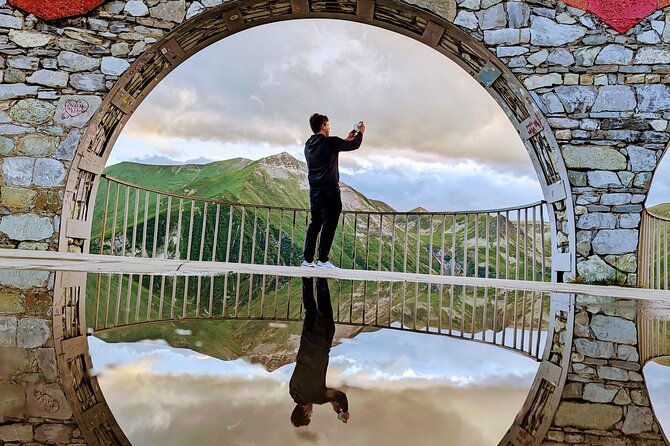
First is Dashbashi Canyon and the Diamond Bridge, a special-looking span designed for dramatic canyon views. It’s a short highlight with a big payoff. If you like walking on a clear viewpoint, this stop is built for you.
Then you visit Vardzia, a cliffside cave monastery dating to the 12th century and UNESCO-listed. The main experience is walking through the rock-cut chambers, chapels, and frescoes carved into the mountainside. This is where good shoes matter most because you’ll be moving through stone corridors and stair steps.
Next, you go to Rabati Castle in Akhaltsikhe. Rabati is a fortress that’s been reshaped over centuries, so you see a blend of medieval, Ottoman, and European influences within one complex. The appeal is the variety of structures inside the walls, including a mosque and church, plus the museum feel of exploring different spaces.
Tip: caves and stair-heavy sites are tiring. If you want photos, ask your guide where to pause so you can rest without losing the best views.
Day 6 Goderdzi Pass, Makhuntseti waterfall, and Batumi on the Black Sea
Day 6 is your geographic shift. You trade inland monastery time for mountain roads and then the Black Sea.
At Goderdzi Pass, you get panoramic views at about 2,025 meters, with forests and valleys stretching out. It’s a scenic stop for hikers in warm season, and it can also relate to ski-season activity in winter. Even if you don’t hike, you’ll get the “Georgia is bigger than you thought” feeling.
Then comes Makhuntseti Waterwall and King Tamar’s Bridge in Adjara. This one is about nature plus history in the same frame. The waterfall drops through rocky greenery, and the bridge offers a chance to walk and photograph something that feels older than the drive.
Finally, you reach Batumi, a Black Sea city with a modern skyline and an Old Town that still feels distinctly Georgian. You can stroll along Batumi Boulevard, walk the cobblestone streets in the Old Town, and eat Georgian food in local restaurants. If you want a change of pace after mountains and caves, Batumi does that job.
Practical note: coastal weather can feel different from inland. Bring a light layer, even if you’re traveling in warm months.
Day 7 western Georgia’s nature circuit: parks, canyons, and Prometheus Cave
Day 7 is a nature day, but organized with variety so you don’t feel stuck on one type of sightseeing.
You start at Shekvetili Dendrological Park, a large botanical park with trees and plant collections from around the world, plus ponds and shaded walking paths. It’s a welcome break from stone sites. If you want a slower, restorative morning, this is the place.
Next: Martvili Canyon and its turquoise water. The highlight here is a boat ride along the emerald river through narrow gorges and around waterfalls. This is one of those experiences where you don’t have to work for the views. You get them from the water.
After that, you visit Prometheus Cave, with illuminated stalactites, stalagmites, and underground rivers. The “myth name” is fun, but the real draw is the scale of the cave chambers and how the lighting turns geology into something you can feel like a show.
Then you head to Bagrati Cathedral in Kutaisi, UNESCO-listed, built in the 11th century. Even with restoration in mind, it’s still an architectural anchor and a strong photo stop from the hilltop location.
You finish with Kutaisi, Georgia’s second-largest city, where you can enjoy local shops, cafes, and historic atmosphere. It’s also your base for the final day’s monastery and cable car experiences.
Day 8 near Kutaisi: Gelati, Motsameta, Katskhi Pillar, and Chiatura rope roads
Day 8 leans spiritual and unusual.
First: Gelati Monastery (UNESCO) near Kutaisi. Founded in the 12th century by King David the Builder, it’s known for frescoes and important Byzantine-inspired artwork. There’s also an academy building tied to learning and enlightenment, so you get an intellectual angle, not just religious architecture.
Then Motsameta Monastery, a cliffside sanctuary linked to the Martyrs brothers. The idea of lighting candles and offering prayers is part of the experience, and the views over the Rioni River are the natural bonus.
Next is Katskhi Pillar, a limestone monolith with a small monastery at the top. It’s climbed via a narrow ladder, and the point is the contrast between intense nature and spiritual devotion. Even if you don’t climb to the top, you’ll feel the scale and quiet.
Then you go to Chiatura, a historic mining town known for its cable car system, the rope roads. Riding or watching the cable cars over valleys and cliffs gives you a very specific Soviet-era industrial vibe. It’s also a great moment to slow down and observe everyday life and old architecture.
Finally, Mgvimevi Monastery offers a remote, cliffside feel in central Georgia. The site is carved into limestone cliffs and gives you a contemplative ending to the religion-and-history streak.
The tour then wraps with a return toward Tbilisi, where you finish the week.
Why the guide matters more than you think: Irakli and the small choices
If there’s one thing that repeatedly shows up as the trip’s engine, it’s the guide. Irakli is praised for being warm and supportive, knowledgeable about Georgian history, culture, architecture, geography, and even local politics. He’s also called out for being helpful from airport to end of trip, and for giving good suggestions that fit what people care about.
This is what you want from a private guide. You don’t just get facts. You get pacing. You get help with where to stand for photos, when to move on, and how to make the day feel like it has a rhythm instead of being a checklist.
The best sign of value is when you feel the trip is guided by taste and judgment, not just transportation.
Who this tour suits best, and who might want something else
This works best for you if you want a high-impact week that covers major Georgian highlights across regions, with enough structure to keep things efficient and enough guidance to make sites meaningful.
You’ll likely enjoy it if you:
- care about monasteries, fortresses, and ancient sites
- want food experiences that go beyond tasting menus
- like mountain viewpoints and natural stops
- prefer private transport so you can move at a comfortable pace
It might be less ideal if you:
- want lots of downtime in one city
- don’t like long drives or stair-heavy sites
- get uncomfortable with plans that depend on weather
What to pack and how to prepare for real site time
Because the route includes cave towns, monasteries, hilltop churches, and canyon bridges, pack for movement. Good walking shoes are a must. Bring layers for wind at viewpoints and a light rain layer if weather shifts.
For religious sites, dress matters. A scarf or light cover for shoulders can help. If you’re sensitive to crowds, plan to rise a little earlier in your own mind and let the guide manage the timing.
Should you book Georgian Essence for your week in Georgia?
I’d book it if you want a private, guide-led route that takes you from Tbilisi through Kakheti, the mountains, cave monasteries, western UNESCO sites, and finally Batumi. The price makes sense when you factor in private transport, a full schedule with admissions already built in, and the standout strength of the guide, especially Irakli’s support and knowledge.
I wouldn’t book it if you’re hoping for a laid-back itinerary with lots of free time. This is a full week, and you’ll spend it on the move.
If your goal is to see Georgia’s core stories, food culture, and wow-factor sites in one tight arc, this tour is a strong fit. If you want something calmer, you might look for a shorter regional focus instead.
FAQ
How long is Georgian Essence?
It runs for about 8 days.
Is this a private tour?
Yes. It is private, and only your group participates.
Do you get pickup?
Pickup is offered.
Is there a mobile ticket?
Yes, a mobile ticket is included.
What does the price include?
The tour includes hand-picked hotels with breakfast and lunches, and admission is listed as included or free for many specific stops on the route.
Are group discounts available?
Group discounts are available.
Do I need good weather?
Yes. The experience requires good weather. If it is canceled due to poor weather, you are offered a different date or a full refund.
How flexible is cancellation?
You can cancel for free up to 24 hours in advance for a full refund.
Is it suitable for most people?
The tour notes that most travelers can participate.
Where does the tour take place?
It is based in Georgia, with stops that include Tbilisi, Kakheti, the Georgian mountains, and areas around Kutaisi and Batumi.
A Week of Georgian Road
Everything Else Across the Caucasus
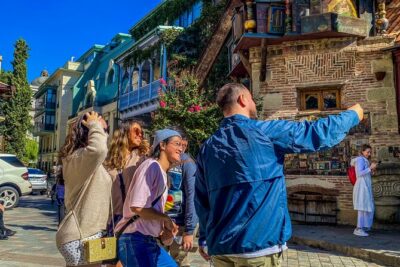
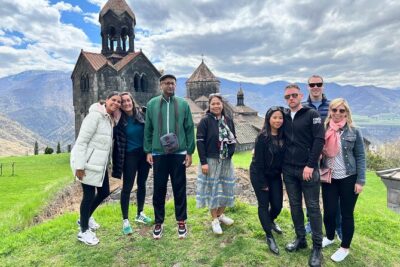
Other Georgian tours we have been through, from the Black Sea to the Kakheti vineyards
- Private Adorable City Tour of Tbilisi
★ 5.0 · 3 reviews - Tbilisi Airport to Gudauri, Bakuriani, Batumi, Tbilisi
★ 5.0 · 3 reviews - Private Wine Tour In Kakheti Region with 7 Wines and Lunch
★ 5.0 · 3 reviews - Two Capitals in One Day: Tbilisi and Mtskheta Combo Tour
★ 5.0 · 3 reviews - Private Effortless transfer from Tbilisi to Gudauri ski resort
★ 5.0 · 3 reviews - Tbilisi to Gudauri Stepantsminda Private Transfer
★ 5.0 · 3 reviews
7-Day Experiences, compared.
 ★ 5.0Private 7-Day Tours & Transfers from Tbilisi to Top Georgia SpotsFrom $70023 reviews
 ★ 5.0The Best of Georgia 7 Days Private Jeep Tour from TbilisiFrom $1,19919 reviews
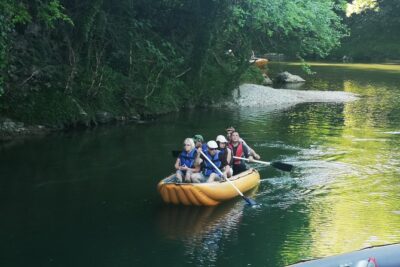 ★ 5.0Amazing All inclusive Tour for 7 Days From TbilisiFrom $75316 reviews
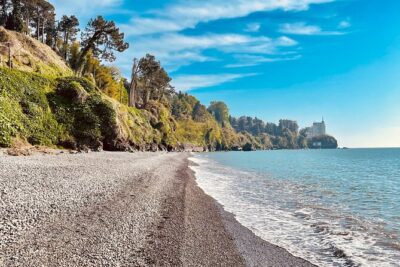 ★ 5.0Georgia in 7 Days: A Haven for Nature and Sea LoversFrom $65915 reviews
 ★ 5.07-Day Georgian Highlights Tour from TbilisiFrom $1,2039 reviews
 ★ 5.07-Day Georgian Wine and Culinary Private Tour with Cooking ClassFrom $7845 reviews
 ★ 4.57-day hiking expedition to Tusheti through the Atsunta passFrom $1,1903 reviews
Browse the lists this tour appears in