
REVIEW · SOVIET HERITAGE, CHIATURA & TSKALTUBO
Tskhaltubo Old Soviet Spa Tour
Soviet spa ruins beat any museum walk. This tour takes you to Tskhaltubo, once the Soviet Riviera of health, and explains how 18 sanatoriums were built into a real medical machine. You’ll also get a guide voice like Akaki, the kind that connects buildings to daily life and even points out strong photo angles.
I like the way this experience blends history with practical meaning, not just old walls. You’ll learn how balneotherapy worked in Soviet times, including why the water temperature was already set for bathing when it arrives at the baths. And I especially appreciate the personal touch in the field, with someone watching your footing and helping you get the best shots.
One thing to consider: timing and group setup can be a little sensitive. The tour is meant to be private, but it’s smart to double-check your confirmed start time and keep communication tight, since schedule changes can happen.
In This Review
- Key highlights you should care about
- Tskhaltubo, the Soviet spa machine you can still walk through
- The 3.5-hour flow, and what you can realistically expect
- Stop 1: Tskhaltubo’s sanatorium complexes and the stories behind them
- How the mineral water detail changes the way you look at the ruins
- The guide matters, and Akaki’s approach is the difference
- Price and value: what $78.27 buys you
- Logistics that can trip you up, and how to avoid it
- Who should book this Soviet spa tour
- Should you book the Tskhaltubo Old Soviet Spa Tour?
- FAQ
- What is the duration of the Tskhaltubo Old Soviet Spa Tour?
- Where does the tour start and end?
- Is pickup available?
- What language is the tour in?
- Is this tour private?
- What happens if the weather is bad or you need to cancel?
Key highlights you should care about
- Soviet Riviera context at real locations, not slides or vague stories
- Mineral-water balneotherapy explained in plain terms, including why the water temperature mattered
- Multiple former sanatorium buildings in one circuit, so you see variety, not repetition
- Guide support for photos and safe movement inside and around the structures
- 3.5 hours with a focused main stop, so you do not feel dragged all day
- English-speaking guide plus a pickup option, which helps if Kutaisi logistics are not your thing
More rusting cable cars and empty sanatoriums
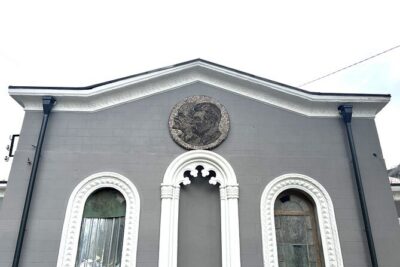
Tskhaltubo, the Soviet spa machine you can still walk through
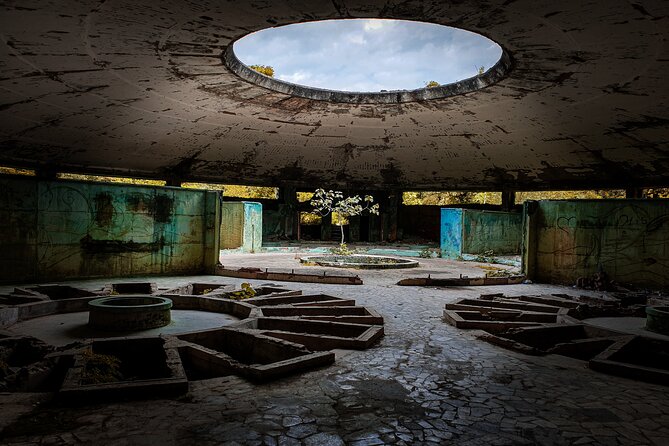
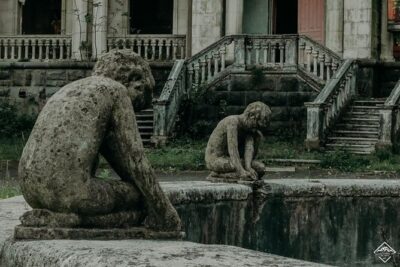
Tskhaltubo was built around mineral springs that people talked about as far back as the 18th century. Later, the area became state property in 1920 and turned into a balneology resort. In Soviet terms, this was not just relaxation. It was medical treatment by bathing in mineral-enriched water, aimed at everything from limb and peripheral nervous system issues to skin conditions, and even cardiac and vascular diseases.
What makes the place feel different today is how visible the original purpose still is. Even when the sanatoriums are now defunct, you can sense the scale of the plan. This is why the tour works. You’re not just seeing ruins. You’re seeing a system that once shipped in visitors and medical expectations, right from daily train service from Moscow that was running by the 1980s.
The 3.5-hour flow, and what you can realistically expect
The tour is about 3 hours 30 minutes, starting at 2:00 pm. You return to the same meeting point at the end. A pickup is offered, and the meeting point is the Free Walking Tour KutaisiGelati Kutaisi area (Kutaisi 4600, Georgia). It’s also close to public transport, which is useful if you like having Plan B.
This is listed for people with moderate physical fitness. That usually means you should be comfortable with uneven ground and moving through building spaces carefully. If you know you get sore quickly from stairs or long walks, plan your day around this and keep the rest of your itinerary light.
You’ll also want to treat this as a focused visit: the core stop is Tskhaltubo, with a guided walk that typically lets you explore multiple former sanatoriums and see how their looks and former uses differed.
Stop 1: Tskhaltubo’s sanatorium complexes and the stories behind them
Tskhaltubo’s “Soviet Riviera” reputation is rooted in timing. Construction of its 18 sanatoriums began in the 1920s, and by the 1950s it was gaining major importance during Soviet spa culture. Later, trains drove in daily from Moscow, turning the destination into a regular health destination, not a once-in-a-lifetime trip.
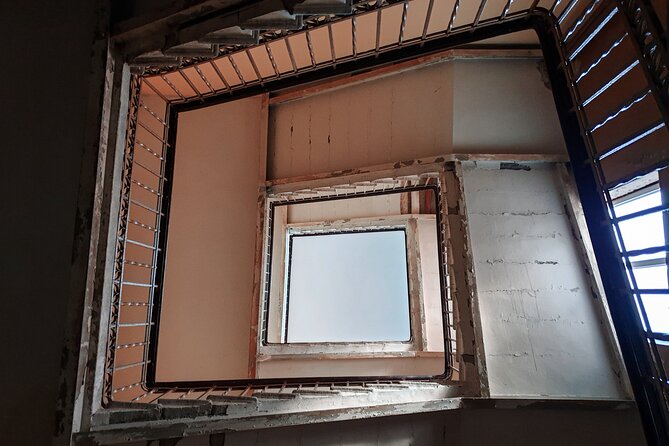
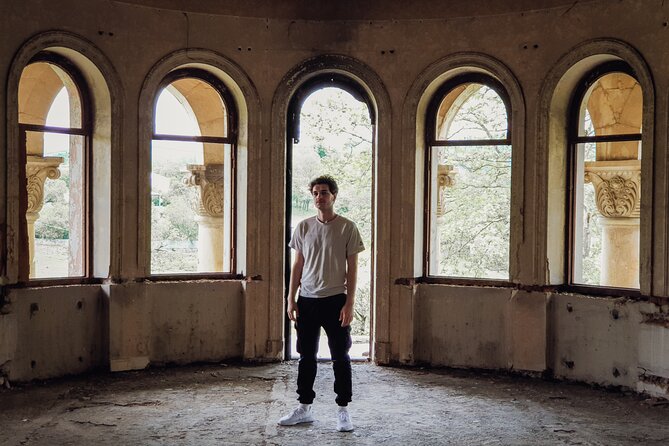
During the tour, you’ll visit the sanatorium area and get context for what you’re seeing. One of the biggest value points here is that the different buildings are not presented as random decay. The guide helps you connect each structure to its role, so you start recognizing patterns in the design choices and layout, even if the buildings are empty now.
A practical bonus is that you’re not left wandering. A good guide helps you find where you can safely move, where you can see architectural details clearly, and where the setting becomes photographic instead of just gloomy. That kind of direction matters because these places can look dramatic from one angle and flat from another.
How the mineral water detail changes the way you look at the ruins
Here’s the part I think is most useful when you’re trying to understand Tskhaltubo beyond the postcard version: the water was meant to arrive ready for bathing. The description is specific. The springs deliver water at a comfortable temperature, and it is transferred directly to the baths without cooling or heating.
That detail isn’t just trivia. It explains why the spa buildings were built with a certain logic, and why the resort atmosphere mattered. In other words, the “spa experience” was engineered. The water quality and temperature were part of the medical pitch.
You’ll hear the treatment idea too, which is helpful if you want a grounded sense of what Soviet visitors thought they were doing. Balneotherapy is presented as medical bathing using mineral-enriched water to treat conditions involving limbs, the peripheral nervous system, and skin. It also mentions cardiac and vascular diseases. Even if you do not put stock in every medical claim, you still get insight into how health tourism was sold and organized.
- Kutaisi:Chiatura Tour with Katskhi Pillar & Cable Car Experience★ 5.0 · 95 reviews
- BORJOMI, RABATI & VARDZIA – Group Tour from Kutaisi★ 4.5 · 76 reviews
- Kutaisi Walking Tour★ 5.0 · 59 reviews
- BAGRATI, GELATI & MOTSAMETA Group Tour from Kutaisi★ 5.0 · 39 reviews
- WINE & DINE Tour from Kutaisi★ 5.0 · 34 reviews
The guide matters, and Akaki’s approach is the difference
The tour’s quality is closely tied to the guide. In the best examples, Akaki stands out for two reasons: he’s easy to talk to, and he knows how to connect Soviet-era details to what you’re seeing on the ground.
You’ll also get help with the practical side of exploring active-looking ruins safely. That can include guidance on where to go and how to move inside buildings without turning the visit into a risk. It’s also about photography. A strong guide will show you which angles work, so your photos look intentional instead of accidental.
There is also a softer skill at play: context. If you care about how places like this ended up as abandoned Soviet structures, a guide who can answer questions makes the whole trip feel less like sightseeing and more like decoding.
Price and value: what $78.27 buys you
At $78.27 per person, you’re paying for a guided, timed outing with a specialist focus. That price can feel steep compared to standard walking tours, so I look for the value levers.
Here are the value levers you can count on from the tour information:
- Admission ticket is listed as free for the stop
- Pickup is offered, which can reduce local transport friction
- The tour is private, meaning only your group participates
- You get English guidance plus interpretation for Soviet medical and architectural context
- It’s long enough to be meaningful, about 3.5 hours, but short enough to fit into a Kutaisi day
If you hate wasting time figuring out logistics or hunting for the right viewpoints, a specialized guided route can be worth it. If you already enjoy self-guided exploration and do not care about context, you might feel the price more sharply. The difference is whether you want the explanation along with the walk.
Logistics that can trip you up, and how to avoid it
Even good tours can be messy on the edges, mostly around timing and private vs group expectations. The tour is described as private, with only your group participating, and confirmation is supposed to come at booking.
Because of that, I suggest you:
- Save your confirmation message and double-check the 2:00 pm start time
- If pickup is important, confirm the pickup details in advance
- Bring a phone with enough battery, since meeting updates can happen close to departure
- Wear shoes that handle uneven ground, since you’re moving through an old resort area
One more thing: the experience requires good weather. If weather is poor, you’ll be offered another date or a full refund. That means you should not schedule something critical immediately after, since the tour might shift.
Who should book this Soviet spa tour
This tour is a strong fit if you:
- Like Soviet-era stories and the human side behind big state projects
- Enjoy architecture and want to understand why buildings were made the way they were
- Want a guide who can steer you to good photo angles
- Prefer a more direct, guided route rather than DIY wandering
It’s also a smart choice for people who feel drawn to the “how did it work” side of travel. The mineral-water explanation helps you look at the sanatoriums with more clarity. You’re not only seeing what’s left. You’re seeing what it was built to do.
If you’re the type who gets uncomfortable with any abandoned or semi-ruined structures, you might still enjoy it, but focus on your comfort level. The tour does require moderate physical fitness, and the route involves moving around old complex spaces.
Should you book the Tskhaltubo Old Soviet Spa Tour?
Yes, if you want a guided walk that explains the Soviet spa idea in practical terms while you explore the sanatorium complexes. The combination of Tskhaltubo location, balneotherapy context, and photo-helpful guidance makes this one of those experiences where the explanation upgrades the visuals.
I would book it with extra care if you dislike schedule uncertainty. Make sure your start time is clear, your expectations about private group status are confirmed, and you have an easy plan for getting to the meeting point. If you do that, you’ll get something better than generic ruins photos. You’ll leave with a clearer picture of how a whole health destination was imagined, built, and run.
FAQ
What is the duration of the Tskhaltubo Old Soviet Spa Tour?
The tour lasts about 3 hours 30 minutes.
Where does the tour start and end?
It starts at the Free Walking Tour KutaisiGelati Kutaisi meeting point in Kutaisi 4600, Georgia, and ends back at the same meeting point.
Is pickup available?
Pickup is offered.
What language is the tour in?
The tour is offered in English.
Is this tour private?
Yes. It is a private tour/activity, and only your group will participate.
What happens if the weather is bad or you need to cancel?
The experience requires good weather. If it’s canceled due to poor weather, you’ll be offered a different date or a full refund. You can also cancel for a full refund if you cancel at least 24 hours in advance.
Rust, Concrete and Cable Cars
Other Georgian tours we have been through, from the Black Sea to the Kakheti vineyards
- Kutaisi Airport to Tbilisi Private Transfer
★ 5.0 · 3 reviews - Private Organic Wine Tour from Kutaisi, 2 Tastings and Lunch
★ 5.0 · 3 reviews - Oxygen Paradise A Day Tour to Racha Mountain
★ 5.0 · 3 reviews - Private Canyon&Cave Tour from Kutaisi(Martvili-Okatse-Prometheus)
★ 5.0 · 3 reviews - Break Bread with Kutaisi Locals
★ 5.0 · 4 reviews - Causacus mountains at Majestic SVANETI and MESTIA from Kutaisi
★ 4.5 · 4 reviews
Soviet Heritage, Chiatura & Tskaltubo, compared.
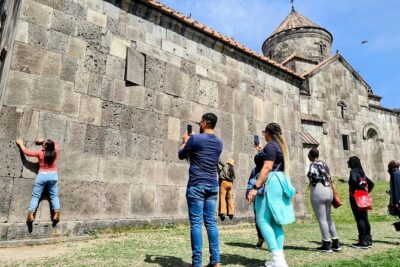 ★ 5.01 Day Private Armenia: UNESCO, Soviet & Curated Family LunchFrom $135106 reviews
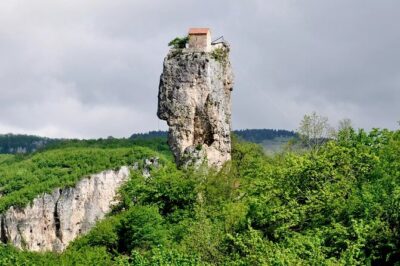
 ★ 5.0Kutaisi:Chiatura Tour with Katskhi Pillar & Cable Car ExperienceFrom $3595 reviews
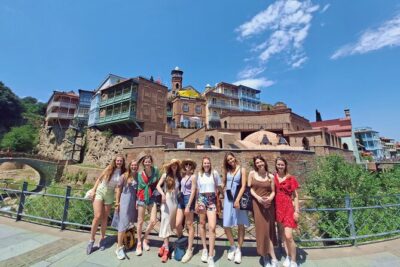 ★ 5.0Tbilisi old town & soviet heritage – Private driver-guided TourFrom $7783 reviews
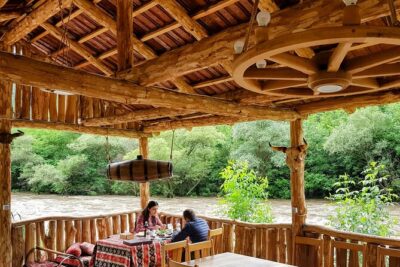 ★ 5.0Armenia: 1 Day Soviet gems, UNESCO + Family lunch (Small group)From $4968 reviews
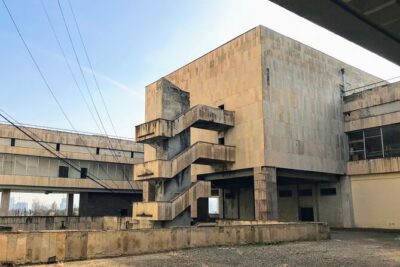 ★ 5.0Brutal Tbilisi: Urban exploration and untold storiesFrom $7559 reviews
 ★ 5.0Soviet Tbilisi Tour – Off the beaten pathFrom $4945 reviews
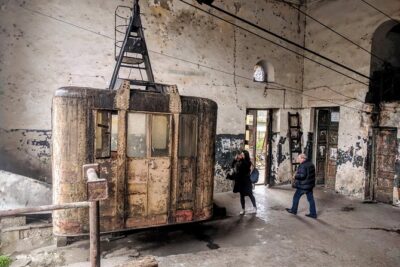 ★ 5.0Soviet past – Private day tour to Chiatura, Katskhi pillar and ChroniclesFrom $14929 reviews
 ★ 5.0Concrete Giants TourFrom $5420 reviews
Browse the lists this tour appears in