
REVIEW · TOURS
Amazing 10 Days tour Around Georgia from Tbilisi All inclusive
Georgia changes scenes every single day. This all-inclusive 10-day tour runs from Tbilisi out to high mountains and finishes at the Black Sea, with transport and entries handled for you. It starts with city icons like Rike Park and Narikala Fortress, then keeps widening your view across Georgia.
I also like the way the trip leans into Georgian cuisine and wine by region, with guide David helping connect the dots between fortresses, churches, and everyday life. One real consideration is the pace: you’ll be moving for most of the days, so this is not a slow-travel itinerary.
In This Review
- Key things I’d bet on
- Tbilisi to Batumi, with everything folded in
- Day 1: Old Tbilisi, Rike Park map views, Narikala at night
- Day 2: Zhinvali dam, Ananuri fortress, and Gergeti Trinity above the clouds
- Day 3: Kakheti start-up, from Ujarma ruins to Twins’ qvevri wine
- Day 4: Sighnaghi walls, UNESCO church icons, and Uplistsiche cave town
- Day 5: Cave monasteries, Rabati fortress, and a Borjomi reset
- Day 6: Prometheus Cave stalactites, Gelati mosaics, and Kutaisi Royal District
- Day 7: Okatse hanging trail, Kinchkha waterfalls, and Martvili canyon by boat
- Day 8: Ushguli UNESCO highland village and the Chalaadi glacier
- Day 9: Shekvetili plants, Batumi fountains, and Roman-Byzantine Gonio fortress
- Day 10: Batumi Botanical Garden for plant lovers and last-day calm
- Price and logistics: what you’re actually buying for $850
- Should you book this Georgia route?
- FAQ
- How much does the Around Georgia from Tbilisi tour cost?
- How long is the tour?
- What’s included in the price?
- Which meals are included?
- Is accommodation included?
- Is airport transfer and pickup included?
- Where does the tour start and end?
- What is the cancellation window for a full refund?
Key things I’d bet on
- A true all-inclusive rhythm: 9 nights in a 3-star hotel plus breakfast and lunch daily and select dinners.
- Transport plus tickets handled: air-conditioned private vehicle, WiFi on board, and entrance fees covered.
- Major sights, not just photo stops: you get time at forts, cathedrals, cave towns, canyons, and glaciers.
- Mountain to sea in 10 days: Kazbegi-style views, Svaneti highlands, then Batumi.
- Food is part of the plan: region-based meals and wine show up more than once, not as an afterthought.
Still narrowing it down? Here are other Tbilisi and Kazbegi trips we have written up in the same detail.
Tbilisi to Batumi, with everything folded in
This tour is built for people who want Georgia to feel like one connected story, not a messy pile of bus rides and ticket lines. You start in Old Tbilisi and end back at the meeting point, and most of the heavy lifting is already covered: hotel for 9 nights, air-conditioned private transport, and admissions for museums and attractions. Even WiFi on board is included, which sounds small until you are trying to map your next stop without burning data.
The value angle is simple. At $850 per person, you are paying for the big cost categories up front: lodging, transport, and the entry fees that add up fast once you include multiple UNESCO sites, caves, and fortresses. You still need to budget for alcohol drinks, and dinners are not fully covered every day, but the core daily structure is strong.
The one caution is your energy level. This is a packed itinerary, and the “best of Georgia” approach means long days. If you want lots of unplanned downtime, you may feel the schedule tugging at you.
Day 1: Old Tbilisi, Rike Park map views, Narikala at night
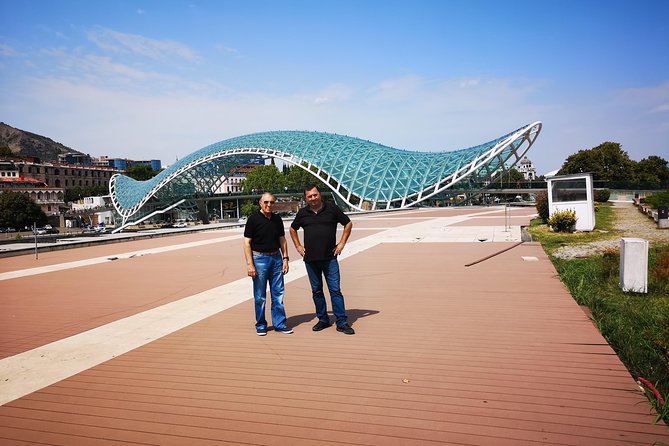
Your first day is about getting your bearings fast. Rike Park sits on the Kura River’s left bank, and the fun detail is its large-scale design. Viewed from above, the pathways and layout create a map-like outline of Georgia, turning a walk into a quick geography lesson. Add the Bridge of Peace connection (a favorite crossing for many visitors), and you get a modern start right beside the older city core.
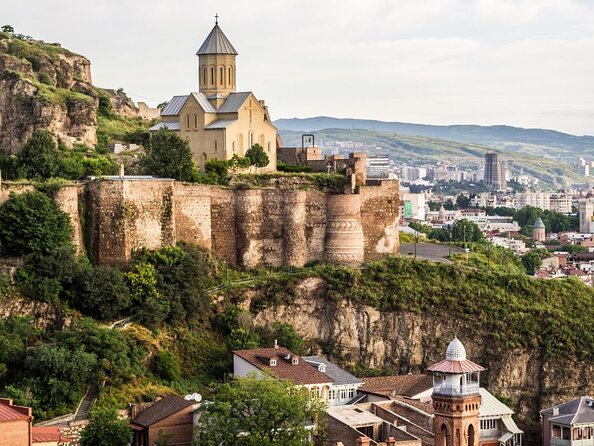
Then comes Narikala Fortress, the “don’t miss” viewpoint. The best payoff is the night atmosphere. The fortress overlooks the Mtkvari River, and it is visible from many angles around Tbilisi, so you’re not just arriving once, you’re seeing it keep showing up in the background all evening. Historically, the walls stretch back to early periods, including a Persian citadel era, with many later rebuilds shaping what you see today.
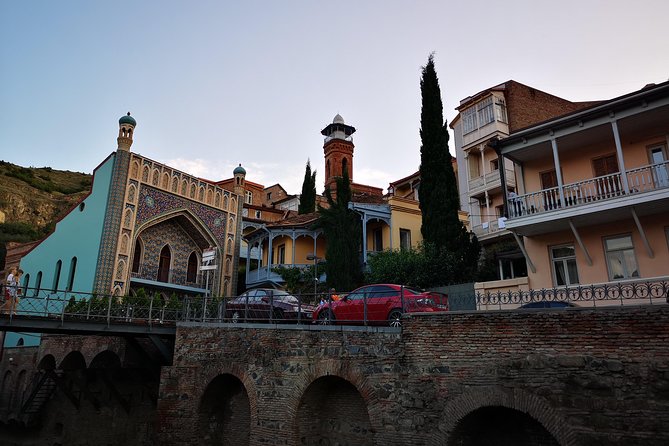
From there, Abanotubani gives you a different side of Tbilisi. This is the thermal bath district and a tight cluster of religious sites, including Georgian, Armenian, Catholic places of worship, plus a mosque, synagogue, and even the Ateshga-Zoroastrian fire temple. It’s a reminder that Tbilisi has long been a crossroads.
Finally, Mtatsminda Amusement Park caps the day on higher ground. It is on Mount Mtatsminda at 770 meters, with sweeping city views, a Ferris wheel, cafes, and funicular access. Even if you skip rides, the viewpoint angle is worth it.
Day 2: Zhinvali dam, Ananuri fortress, and Gergeti Trinity above the clouds
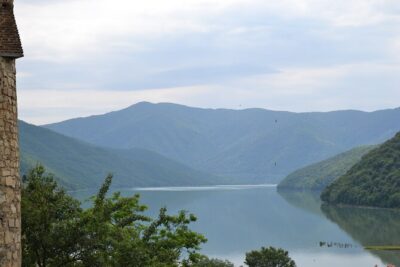
Day 2 shifts you into the Georgia that most people dream about: mountains, winding roads, and “how is that view even real” moments. The first stop, Zhinvali Reservoir, sets the stage along the road toward Kazbegi. It’s a quick pause, but it helps you understand the scale of the terrain you are heading into.
Ananuri Fortress Ensemble is one of those places where the scenery and architecture work together. It sits along the Aragvi River on the original Georgian Military Highway corridor, and you’ll see a fortified complex with churches and tower structures from multiple periods. It’s also tied to local rulers, including burials of Aragvi dukes, so it feels like more than scenery.
Next you hit the Gudauri area for the Russian Georgian Friendship Monument, also known as the Gudauri Panorama. It features Soviet-style mosaics, mixing Georgian heroes, farmers, fairy tale-like imagery, and communist symbols. If you like history that shows how eras shaped public art, this stop gives you that texture.
Then comes Gergeti Trinity Church, near Stepantsminda, sitting high at around 2170 meters under Mount Mkinvartsveri. This is where the day really earns its keep. You’re far above the city, and the church’s position makes it a landmark against mountain backdrops.
To round things out, you get Gveleti Waterfall in the village of Gveleti. Even the place name matters. Gveleti means place of snakes, a detail that makes the stop feel more rooted in local language than just a quick photo.
Day 3: Kakheti start-up, from Ujarma ruins to Twins’ qvevri wine
Day 3 is Kakheti day, and it’s where the itinerary turns more flavorful. Ujarma Fortress is a 5th-century site tied to legendary local history. It is described as the place where King Vakhtang Gorgasali died, and the “first capital city of Kakheti” claim gives the ruins extra weight. Even with limited time, the atmosphere reads as ancient and slightly mysterious.
You then pause at Gombori Pass. The itinerary includes a taste stop with Gios Herbal tea, which is a small but smart move for a long day on the road. Passes are where Georgia shows its wind and altitude, and tea is an easy reset.
Alaverdi St. George Cathedral is next, one of the big religious structures in the Alazani valley area. The cathedral is described as part of a longer monastery tradition dating back to earlier centuries, and it is noted as the highest cathedral in Georgia, up to 50 meters. This is the kind of stop that makes you slow down, because the scale of the structure changes as you move around it.
After that, Twins Wine Cellar is a standout if you like wine culture beyond the basics. The museum focuses on qvevri and qvevri wine, including a pitcher statue and halls explaining production. The centerpiece is described as three large qvevri pitchers, with a collection and process story anchored in Georgian grape varieties and traditional methods.
The day continues at Batonis-Tsikhe Fortress, the Master’s Fortress, built by King Archil in the late 1600s. It served as a royal residence and includes church structures and palatial remains. The time spent here works well after the wine stop, because you get both the “what people drank” and the “where power lived” angles of Kakheti.
Finally, Tsinandali Palace brings in the Chavchavadze family. Prince Alexander Chavchavadze turned the estate into a cultural and intellectual center, and the complex includes a memorial house, landscape garden, historical winery and wine cellar, plus a cafe and hotel. The included sampling of Tsinandali wine is a simple payoff, and the gardens give you an easy place to breathe after fortress and museum time.
- Day Trip to Kakheti Wine Region Including 9 Wine Tastings★ 5.0 · 2,774 reviews
- Highlights of Caucasus Mountains-Jinvali,Ananuri,Gudauri,Kazbegi(Group tour)★ 5.0 · 2,682 reviews
- Day Trip to Kazbegi and Gudauri★ 5.0 · 2,009 reviews
- Day Trip to Mtskheta Gori and Uplistsikhe★ 5.0 · 1,801 reviews
- Tbilisi Walking Tour Including Cable Car and Traditional Bakery★ 5.0 · 1,310 reviews
Day 4: Sighnaghi walls, UNESCO church icons, and Uplistsiche cave town
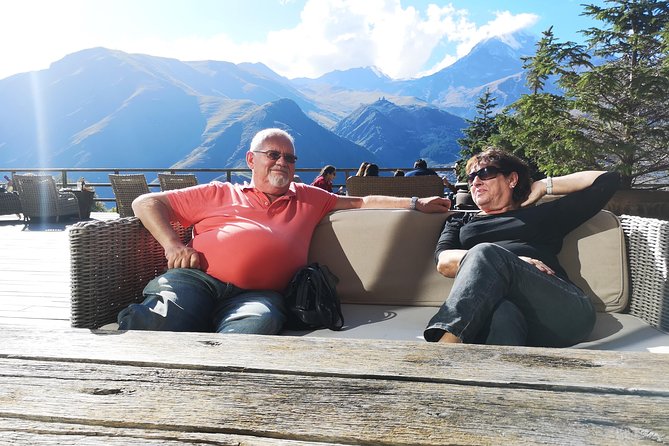
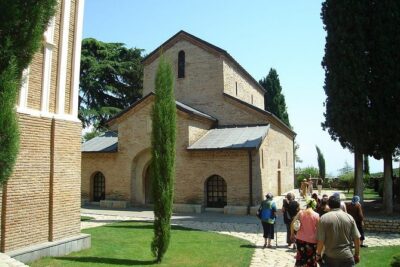
Day 4 mixes towns you can wander with major sacred sites. Bodbe Monastery of St. Nino is near Sighnaghi and is linked to the legend of Saint Nino’s burial place. The monastery’s long pattern of restoration across centuries shows up in the architecture, and it’s also described as having a role as a teaching center in earlier times.
Then it’s Sighnaghi City Walls. The wall network is from the 13th century with over 20 towers, each named according to road destinations. Not all sections are walkable, but even a shorter walk is enough to soak in the viewpoint over the Alazani valley. This is where the itinerary becomes less about “stop, see, move on” and more about enjoying the town’s layout and views.
The Sighnaghi Museum stop is short, but it hits a good theme: local art and finds. The museum is described as having archaeological relics and art exhibitions, with Pirosmani born in Kakheti and his works included among the displayed pieces. If you’ve heard of Pirosmani, this gives you a more grounded way to connect an artist to place.
Later, you go toward Mtskheta for Jvari Church, an early Georgian monastery on a hill above the confluence of the Aragvi and Mtkvari rivers. It is included on UNESCO World Heritage lists, and the story of the wooden cross erected early after Christianity gives the site extra meaning.
Svetitskhoveli Cathedral is the heavyweight. Dating back to the XI century and also UNESCO-listed, it is described as having preserved relics tied to Christian tradition, including mantles of Christ and the Prophet Elijah. It is also tied to major figures connected to Georgia’s early rulers. If you care about sacred architecture, you’ll feel the “scale of importance” here.
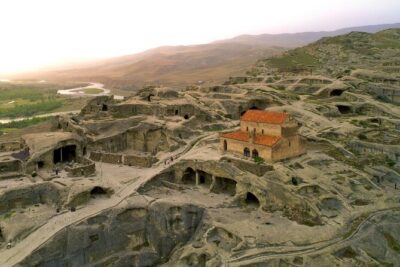
To end the day, Uplistsiche Cave Town offers a different kind of UNESCO-adjacent day. It is a rock-hewn settlement connected to very early settlement patterns in the Caucasus region, with archaeological layers that reach back into early Bronze Age references. It’s not just caves, it’s a time capsule of how people lived in stone.
Day 5: Cave monasteries, Rabati fortress, and a Borjomi reset
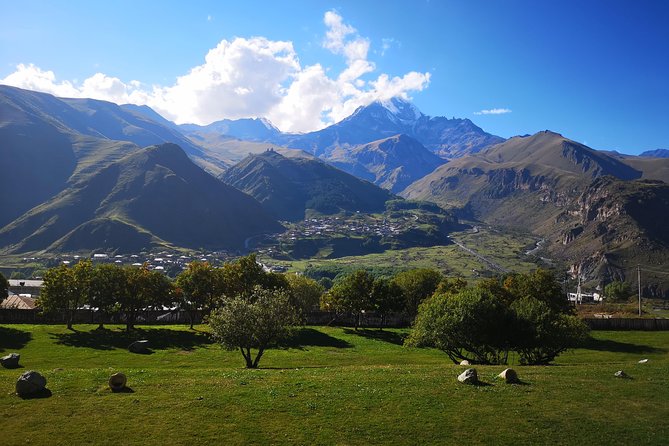
Day 5 opens with Vardzia, a cave monastery complex built during the reigns of King George III and Queen Tamar. The itinerary includes the well-known legend behind the name, where Queen Tamar’s childhood shout becomes part of the place’s story. Even if you don’t know the legend in advance, the cave layout makes it easy to understand why the story sticks. You are walking through a monument that is half architecture, half landscape engineering.
After that, Akhaltsikhe’s Rabati Castle moves you into fortress form. Rabati is described as an ensemble including a 14th-century castle component, churches, and palace-like buildings across periods. You also get the sense that this is a working complex rather than a single monument point.
Then comes Borjomi Central Park, which functions as your physical and mental reset. Borjomi is famous for mineral waters, and the Romanov Palace is part of the park experience, including ornate interiors and a billiards room mention. The nearby trails tie you into the Borjomi-Kharagauli National Park region, plus a stop at the Mtsvane Monastery, also called Green Monastery, described as made from green-tinged stones. It’s a nice rhythm change after caves and castles.
Day 6: Prometheus Cave stalactites, Gelati mosaics, and Kutaisi Royal District
West Georgia day feels like a mix of wow-factor nature and big art history. Prometheus Cave near Tskaltubo is a major highlight, described as having stalactites, stalagmites, curtains, underground rivers and lakes, plus an underground boat tour opportunity. Caves are the kind of stop where timing matters, so having it scheduled and ticketed for you saves stress.
Tskaltubo itself is known for mineral waters, and the itinerary gives a quick scientific framing for why the water is notable. It’s not a long lecture day, but it helps you understand why the region developed a resort identity.
Gelati Monastery follows, UNESCO-listed and described as an important religious, cultural, and educational center. The emphasis here is on mosaics and frescoes, and on the burial of King David the Builder in the monastery yard. If you like art that feels planned and intentional, Gelati is a strong anchor stop.
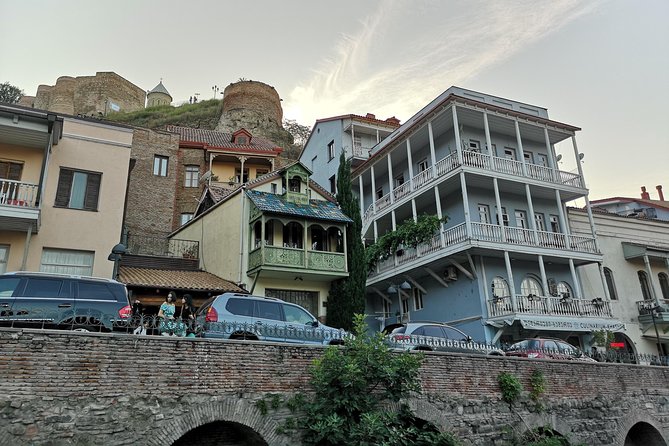
Kutaisi is the urban finish for the day. The historical part, often called the Royal District area, includes spots around the White Bridge and nearby streets. Even with a short time, this gives you a way to connect the bigger monastery stops to a living city.
Day 7: Okatse hanging trail, Kinchkha waterfalls, and Martvili canyon by boat
Day 7 is for people who like motion, viewpoints, and water. Okatse Canyon is described with a hanging trail experience, with a 780-meter route and a panoramic end point. The trail also runs through Dadiani historic forests, meaning it’s not just “hold on and walk,” you also get a wooded, lived-in feeling on the approach. The mention of smart camera photo capability is helpful if you like instant souvenirs.
Kinchkha Waterfall comes next. It’s described as having two waterfalls and a canyon setting at around 1000 meters altitude. The stop allows for swimming and camping-style time on the riverbank. Even if you don’t camp, the option makes it feel less touristy and more like you are in a working nature area.
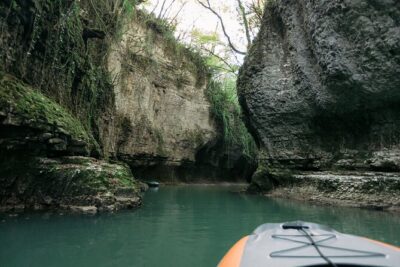
Then Martvili Canyon delivers the classic canyon boat segment, with a 300-meter one-way ride mentioned. The scenery here is the point, and the itinerary also notes opportunities to explore in the water area. If you bring swim-ready confidence, you’ll likely enjoy it more.
One practical note for this day: wear shoes you trust on uneven ground. These stops reward people who do not mind a little scrambling.
Day 8: Ushguli UNESCO highland village and the Chalaadi glacier
Svaneti is where the tour turns into mountain storytelling. Ushguli is described as Europe’s highest settlement area, with four villages and a UNESCO World Heritage designation for Chazhashi. It’s not a single viewpoint. It is a community setting at high altitude, where the buildings and village layout feel like they evolved for life in a harsher world.
You also visit LaMaria Church, a medieval Georgian Orthodox church in the Ushguli area, often referred to as Lamaria. It’s a short stop, but it matters because it adds the religious structure angle you saw earlier in the trip, now translated into highland architecture.
Hatsvali Ski Resort is the viewpoint payoff, with views of Ushba Mountain and Mestia. Even if you do not ski, a lookout works as a calm moment after travel.
Then the Svaneti Museum of History and Ethnography gives context for what you are seeing outside. The museum is described as founded in 1936 and includes icons, manuscripts, medieval weaponry, ornaments and jewelry, pottery, and textile items tied to Svaneti life. It’s a good way to keep the day from being only about scenery.
Finally, Chalaadi Glacier is a longer stop. It is described at about 1850 meters and noted as the only glacier that extends into the forest zone. That detail is your clue that the day is not only about big ice, it is about the way the environment changes around it. The glacier is fed by mountain streams listed in the tour description.
Day 9: Shekvetili plants, Batumi fountains, and Roman-Byzantine Gonio fortress
Day 9 shifts to a different kind of Georgia, coastal and botanical. Shekvetili Dendrological Park is described with 60 hectares and thousands of plant species, including local and exotic types. This is the stop for people who enjoy gardens and want a slower walk without losing the day’s structure.
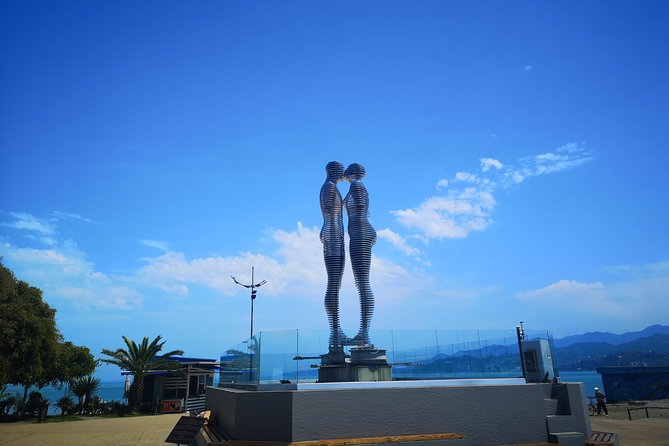
Then Batumi Boulevard takes over. It runs along the sea with beach bars, cafes, restaurants, amusement rides for kids, and a line of sculptures and architectural features. The fountains and colorful areas help explain why Batumi is a magnet for evening strolls. The boulevard’s construction date is given as beginning in 1881, so it’s not just a modern promenade.
Gonio Fortress is the historic counterweight. It is described as the oldest fortress of Georgia, known as Gonio-Apsaros, with Roman-Byzantine military architecture, 47,000 square meters of high stone walls, and 18 towers. Built in the 1st century AD and later used by Byzantines and Ottomans in later periods, it’s history you can walk through and picture as layered occupancy.
Day 10: Batumi Botanical Garden for plant lovers and last-day calm
Your final day is built around Batumi Botanical Gardens, and it’s a strong close for people who want one last nature-focused finish. The garden occupies about 108.7 hectares along a roughly 1 km stretch of coastline between the Chakvistskali estuary and the Green Cape. It rises from sea level up to about 220 meters, which helps explain why it feels varied even within one area.
The tour notes that major introductions of exotic plants began in the 1880s. It also names several people associated with those plant introductions. You might not remember the names by the end of the day, but you will feel the result: a garden that has been shaped over time, not just planted for a single season.
If you want a souvenir that isn’t just magnets, a last-day stroll here is a great way to make the trip feel complete, especially after mountains and caves.
Price and logistics: what you’re actually buying for $850
At $850 for 10 days, the headline value is not only the hotel. It’s the bundle: hotel plus transport plus tickets plus most meals. When a tour includes breakfasts and lunches daily, you’re less likely to lose time every day searching for food that fits your budget or taste. You also avoid the “I thought that entrance was free” surprise cost, because entrance tickets for museums and attractions and all fees and taxes are part of the package.
What’s not covered is also clearly defined. Alcohol drinks are not included, and dinner is included only for six days. For the other four dinner evenings, you’ll pay out of pocket. If you like wine, this matters, because wine is part of the Georgia experience, and the tour includes wine tastings and meals but does not promise alcoholic drinks are unlimited.
Logistics are fairly smooth. You get airport transfers, pickup is offered, and you have a mobile ticket. WiFi on board and air-conditioned transport are practical, especially on longer driving days. Also, this is a private tour for your group, so you’re not being dragged into a schedule built around strangers.
The tradeoff is the packed days. If you love “see everything” travel, you’ll probably find the density thrilling. If you like to linger and read plaques slowly, you may feel a time squeeze. Either way, you should pack comfortable shoes and plan for early starts.
Should you book this Georgia route?
Book it if you want a single trip that covers Tbilisi, the mountains, Svaneti, and Batumi without turning your vacation into a logistics project. This itinerary is especially good for people who care about variety, because you get fortresses, monasteries, cave towns, canyon walks, glacier scenery, and coastal gardens in one sweep.
Think twice if you want relaxed pacing or if you strongly prefer fully included dinners every single night. You’ll have four dinner evenings where you’ll need to find your own meal plan.
One more thing I’d take seriously: if food is a big part of your travel happiness, this one is built around that. Between regional meals, khachapuri-style comfort food, and wine culture stops in Kakheti, it can feel like the trip feeds you as much as it shows you.
If this sounds like your kind of trip, this is a strong bet. It’s rated 5 with 11 reviews, and the recurring praise is simple: the scenery range, the guide support (including David), and how smoothly the days flow when most costs are already handled.
FAQ
How much does the Around Georgia from Tbilisi tour cost?
The price is $850.00 per person.
How long is the tour?
The tour lasts about 10 days.
What’s included in the price?
The tour includes a boat trip in Batumi, a 3-star hotel for 9 nights, air-conditioned vehicle, private transportation, WiFi on board, entrance tickets for museums and attractions, all fees and taxes, and airport transfers.
Which meals are included?
Breakfast is included for 10 days and lunch is included for 10 days. Dinner is included for 6 days. Alcohol drinks are not included.
Is accommodation included?
Yes, you get 3-star hotel accommodation for 9 nights.
Is airport transfer and pickup included?
Yes. Airport transfers are included, and pickup is offered.
Where does the tour start and end?
It starts at Old Tbilisi, Tbilisi, Georgia and ends back at the same meeting point.
What is the cancellation window for a full refund?
You can cancel up to 3 days in advance for a full refund. The cutoff is based on the experience’s local time.
More Georgian Tours We Have Read Closely
Everything Else Across the Caucasus
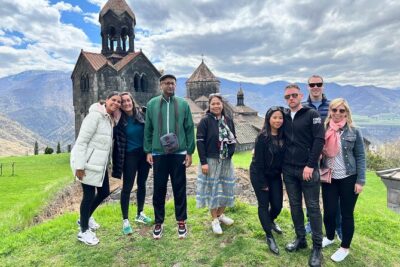
Other Georgian tours we have been through, from the Black Sea to the Kakheti vineyards
- Private Adorable City Tour of Tbilisi
★ 5.0 · 3 reviews - Tbilisi Airport to Gudauri, Bakuriani, Batumi, Tbilisi
★ 5.0 · 3 reviews - Private Wine Tour In Kakheti Region with 7 Wines and Lunch
★ 5.0 · 3 reviews - Two Capitals in One Day: Tbilisi and Mtskheta Combo Tour
★ 5.0 · 3 reviews - Private Effortless transfer from Tbilisi to Gudauri ski resort
★ 5.0 · 3 reviews - Tbilisi to Gudauri Stepantsminda Private Transfer
★ 5.0 · 3 reviews
Tours, compared.
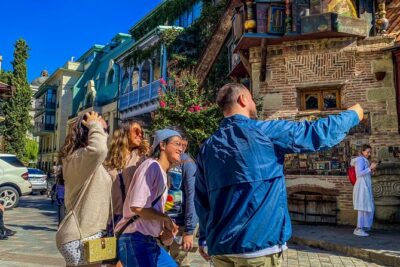 ★ 5.0Tbilisi Walking Tour Including Cable Car and Traditional BakeryFrom $191,310 reviews
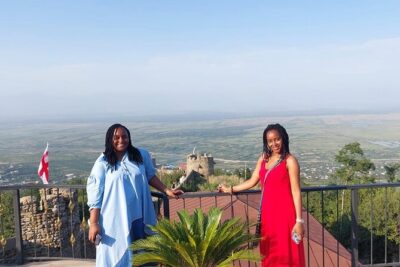 ★ 5.0Kakheti Wine Region: Signagi and Bodbe Tour with 10 Wine TastingsFrom $131,019 reviews
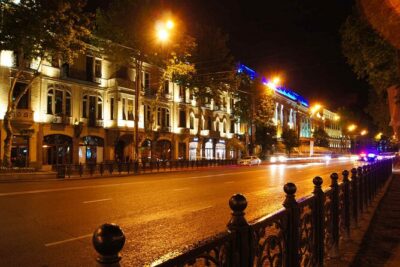 ★ 5.0Evening Walking & Talking Tour with Wine & Boat RideFrom $10572 reviews
 ★ 5.0Kutaisi Canyons and Caves from Tbilisi Full Day TourFrom $65448 reviews
 ★ 5.0Kazbegi and Gudauri Full Day Private Tour from TbilisiFrom $69447 reviews
 ★ 5.0Diamond bridge and Dashbashi canyon day excursion from TbilisiFrom $35393 reviews
 ★ 5.0Kakheti;City of Love Sighnaghi, Bodbe. KTW. Wine House Group tourFrom $16376 reviews
 ★ 5.0KAZBEGI GUDAURI ANANURI One day group tour From Tbilisi!From $18356 reviews